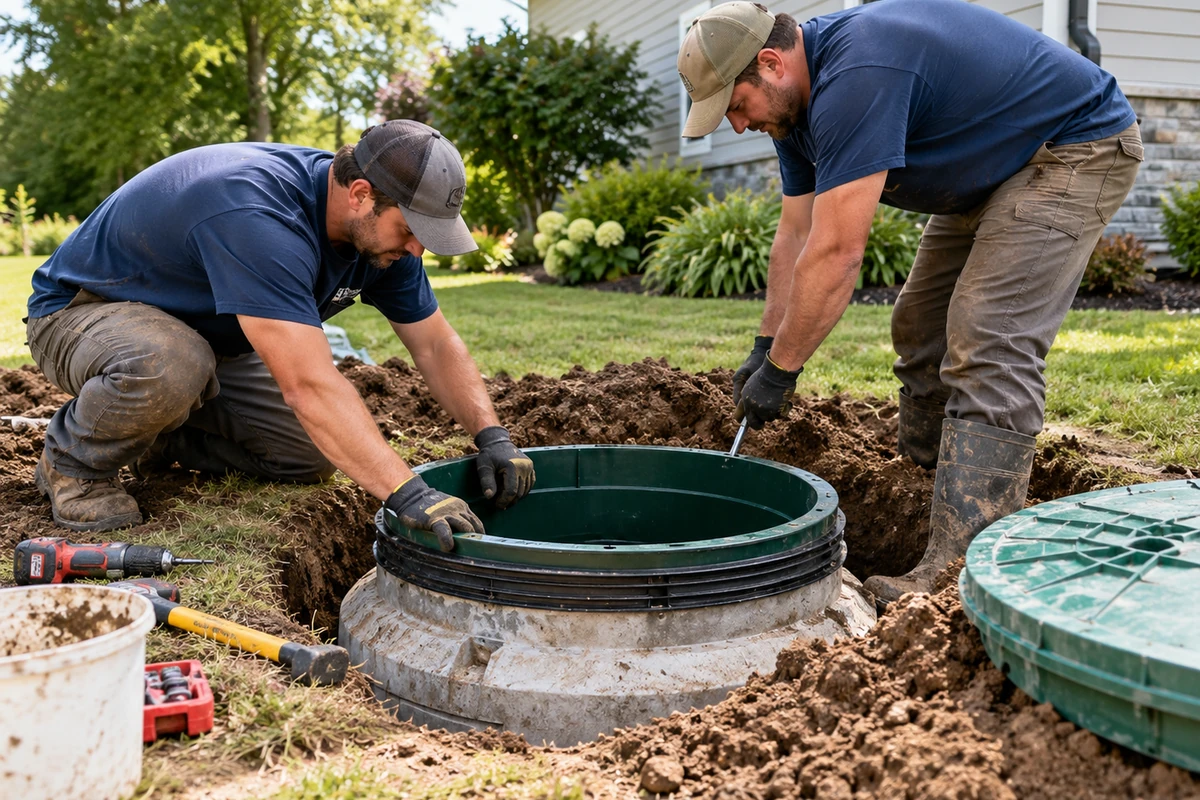

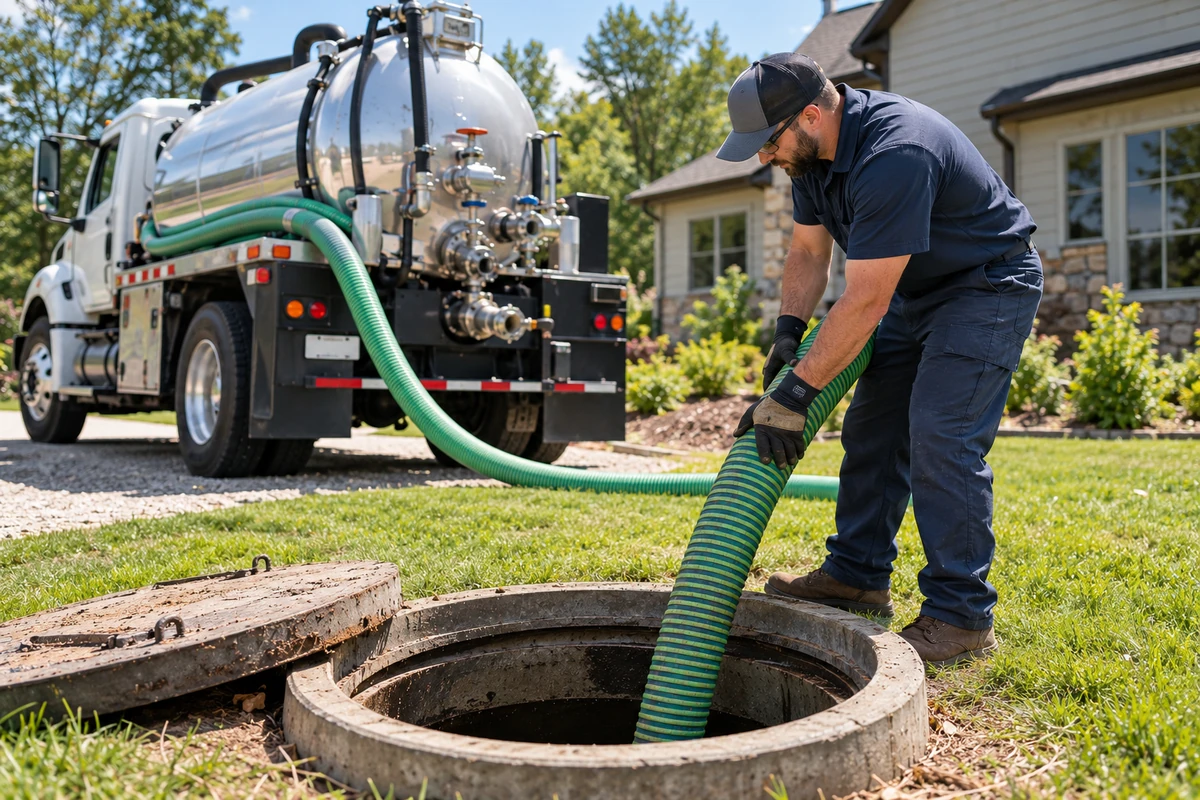

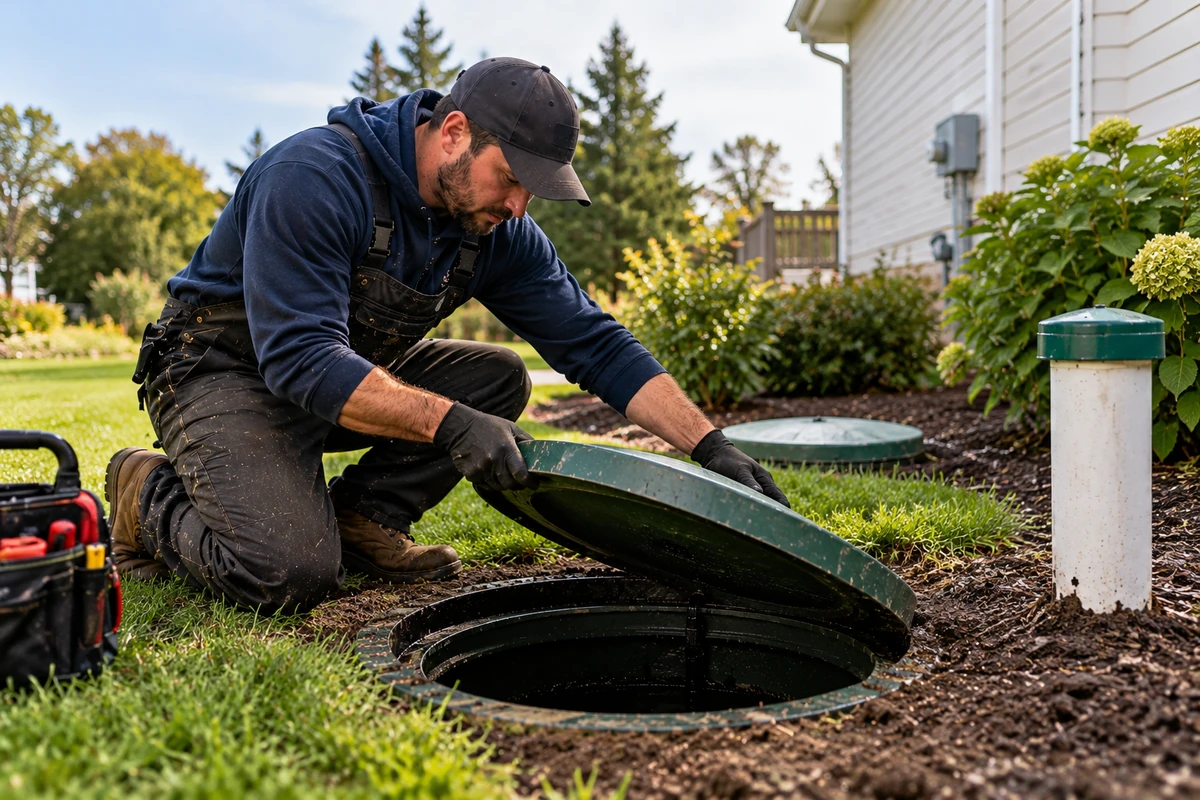
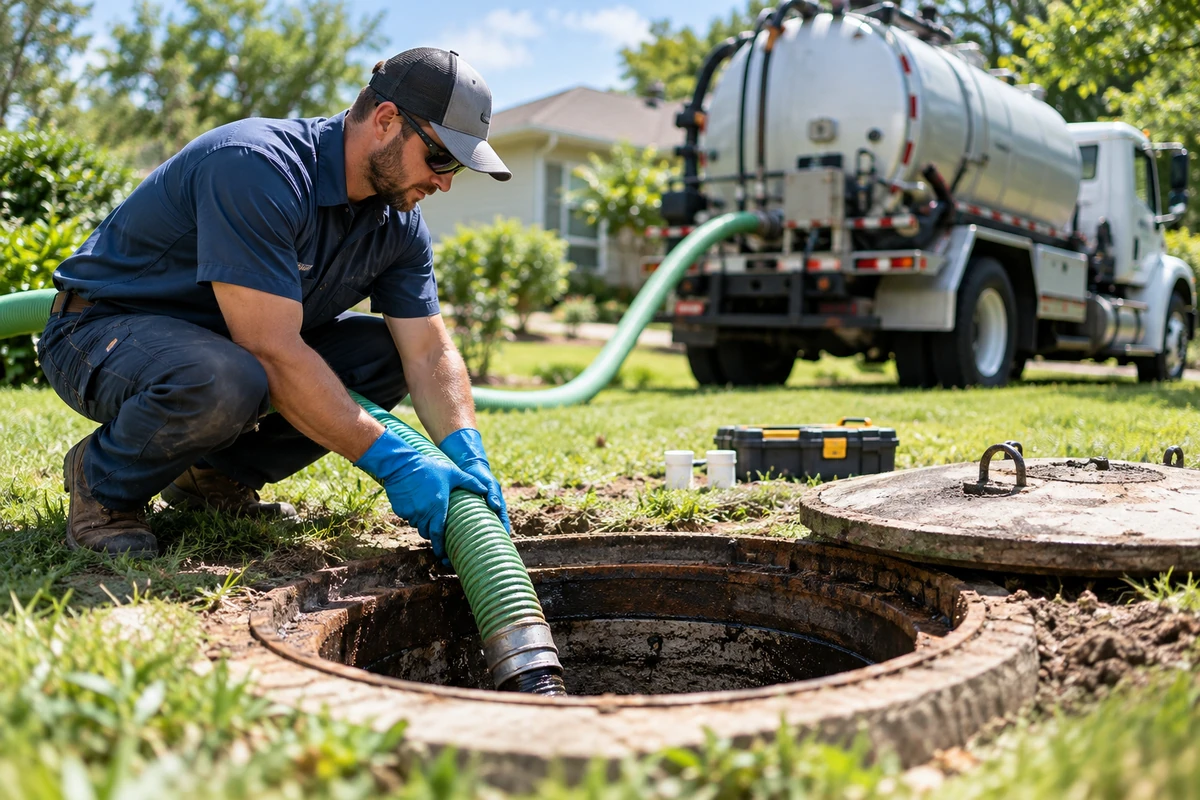

What Alternative Septic System Maintenance Covers
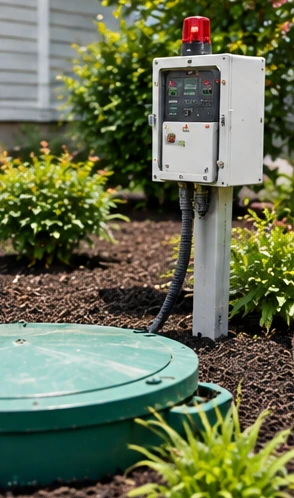
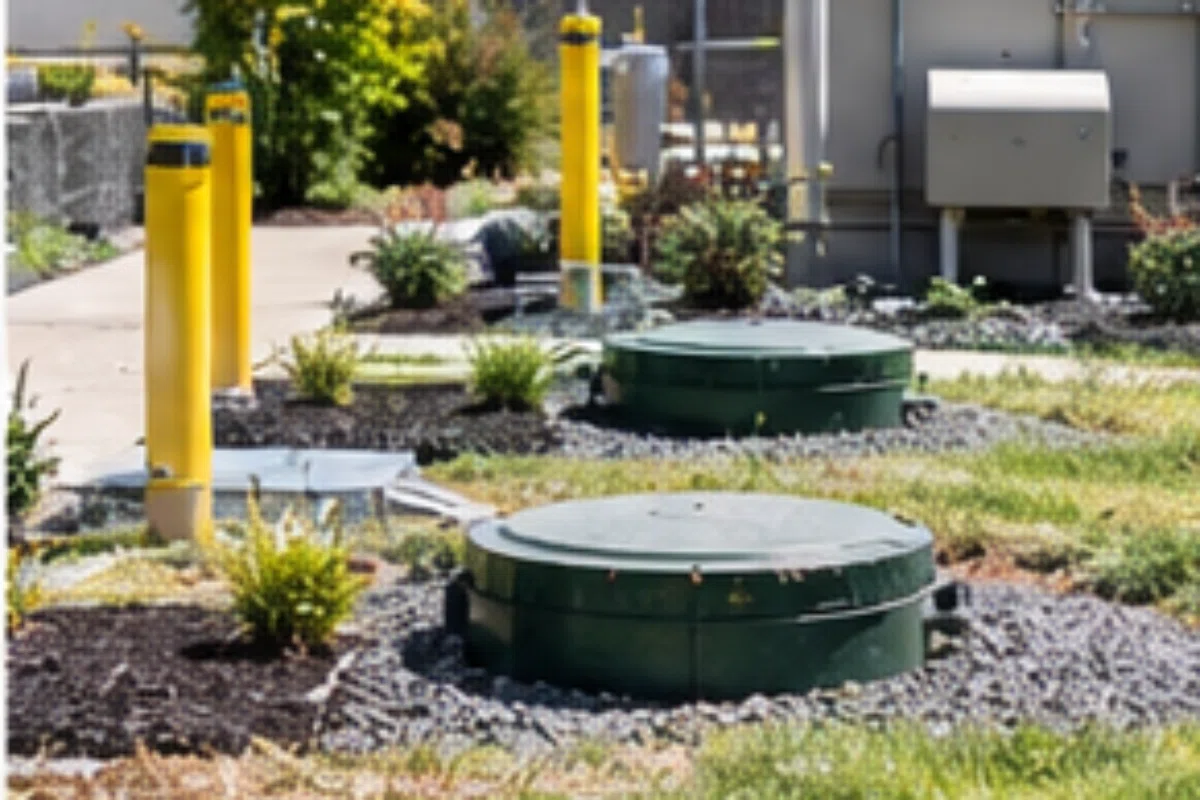
An alternative onsite sewage system uses components or treatment methods beyond a conventional gravity tank-and-drainfield layout. It may include a pretreatment unit, aerobic treatment, a dosing pump, floats, an alarm, treatment media, an effluent filter or a specialized dispersal method. Because designs differ, maintenance begins with the permit, manufacturer, model and control arrangement—not a generic checklist applied to every property.
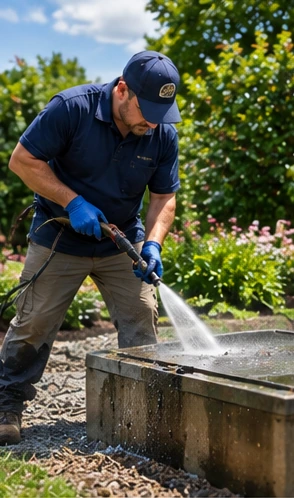
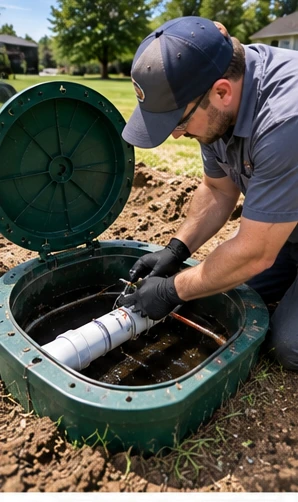
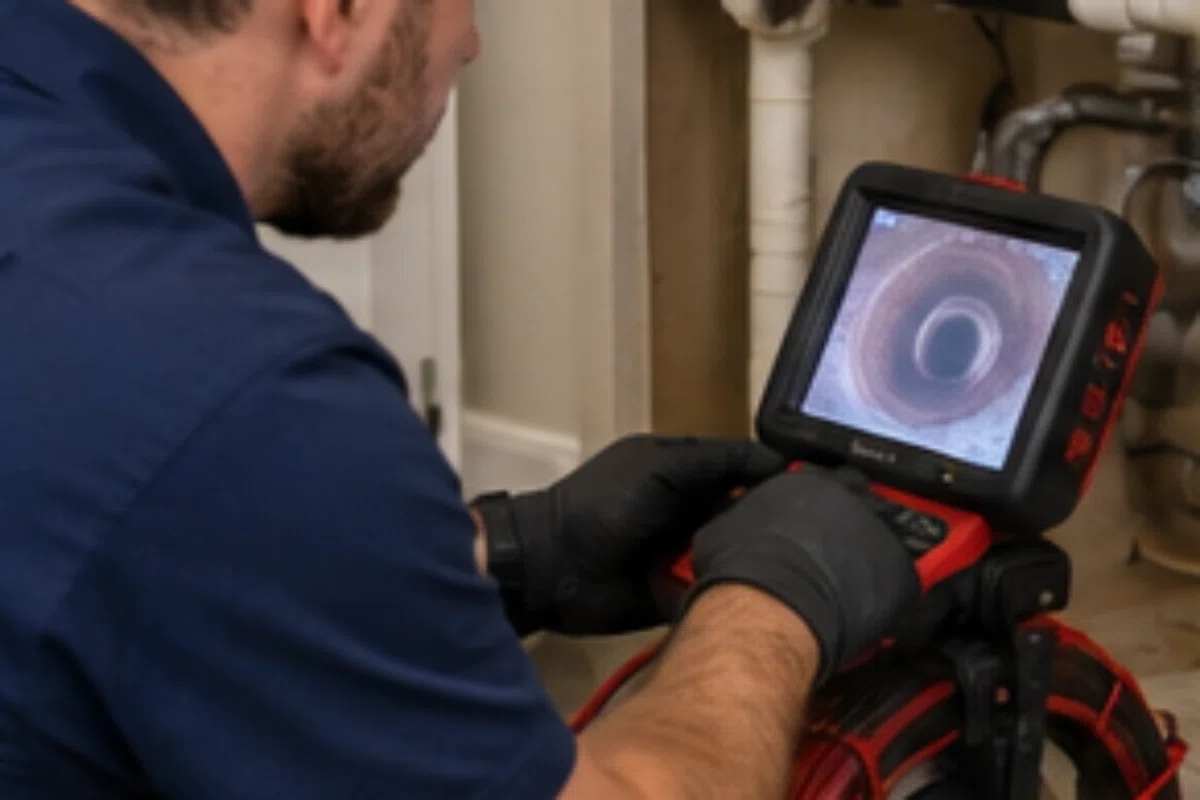
When qualified service is available, the visit can include a visual inspection, review of operating conditions, pump and control diagnostics, alarm or float checks, accessible effluent-filter or treatment-media maintenance, and observations of the discharge or dispersal area. Manufacturer-specific service tools, an inspection checklist, safety equipment and sampling tools when authorized may be required. The technician records the readings, work completed, unresolved defects and next required step.
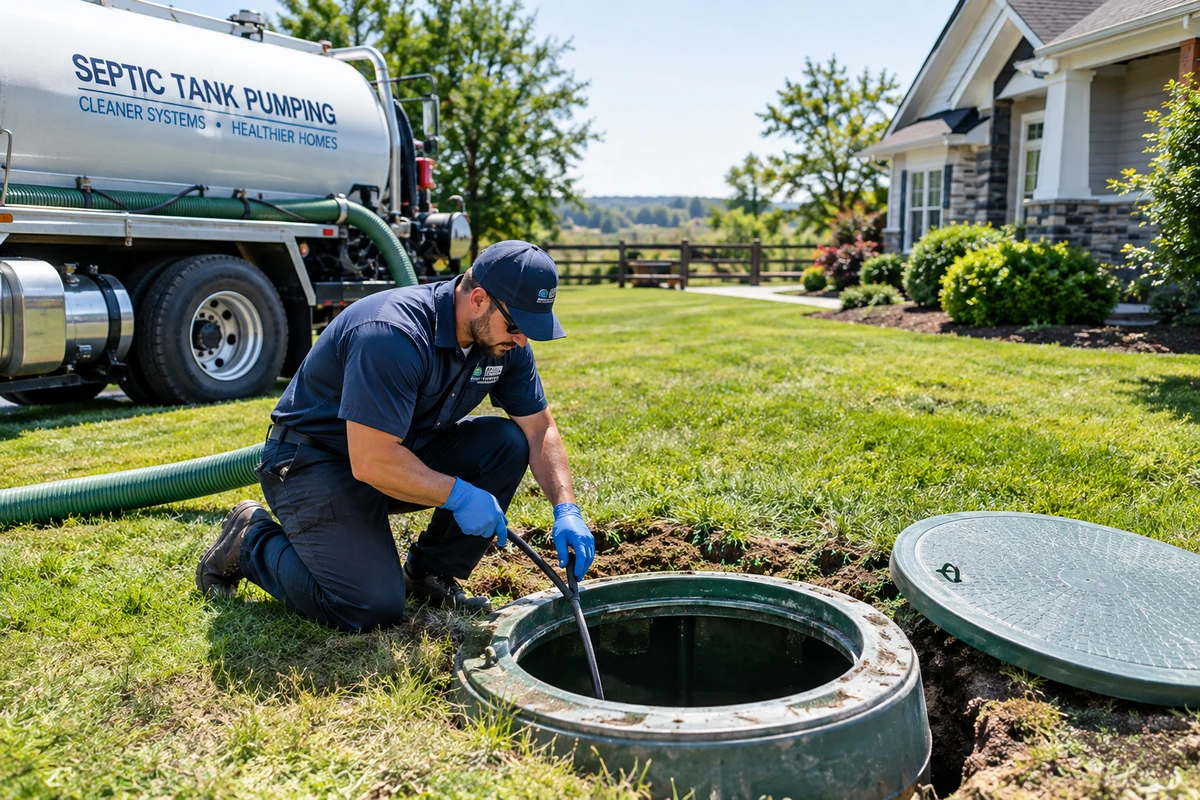
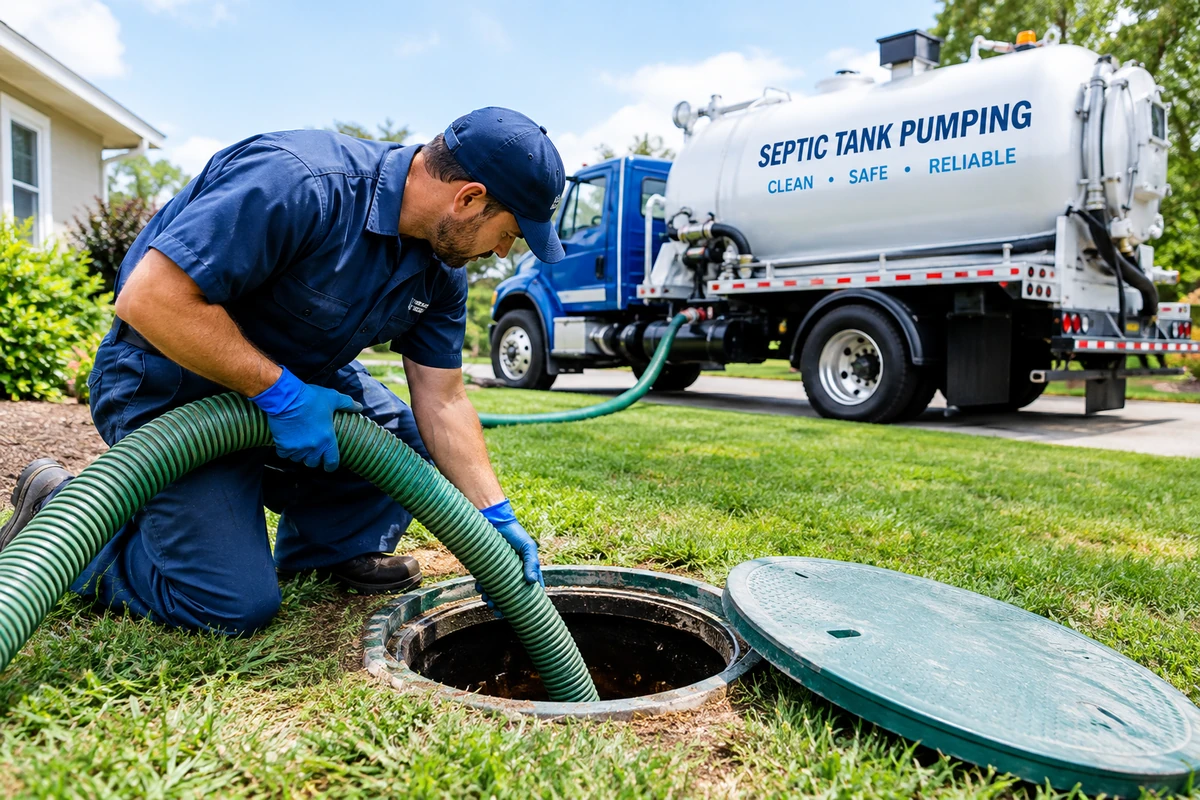
This page does not promise service for every brand or technology. Manufacturer authorization, training, replacement parts, permit conditions and geographic coverage must be confirmed first. Tank pumping, excavation, electrical repair, drainfield repair, laboratory analysis and system redesign are separate scopes unless specifically included. A conventional pumping visit is better when the only need is solids removal. A pump-repair or drainfield service is better when diagnosis identifies a failed component or disposal-area problem.
Signs You May Need This Service
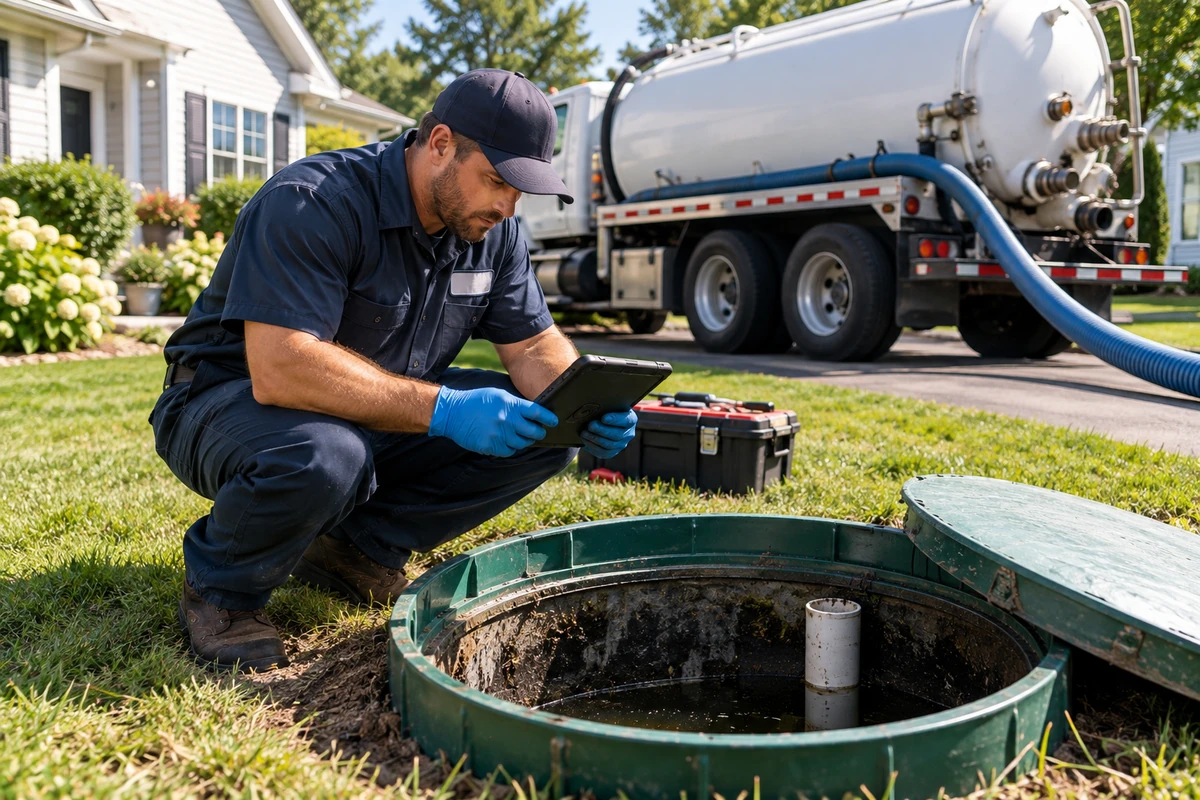
Alternative systems often provide earlier warning through controls and alarms, but a warning does not identify the failed part by itself. Arrange a system-specific review when records show maintenance is due or when operation changes. Common signs and triggers include:
A high-water, pump, aerator or control-panel alarm activates or returns after being reset.
The aerator, blower or pump sounds different, runs continuously or does not appear to run.
A maintenance contract, permit condition or manufacturer schedule requires inspection and reporting.
The property has changed owners and the system type, service history or operator is unclear.
Odor, wet soil, unusually green growth or surface discharge appears near a treatment or dispersal area.
Several fixtures drain slowly, gurgle or back up, especially when water use increases.
A breaker trips, a control light changes or an accessible component shows corrosion or damage.
A prior report lists a filter, media, float, pump, alarm or treatment measurement for follow-up.
Reduce water use when an alarm or backup appears, and keep people and pets away from exposed wastewater. Do not enter a tank, open electrical controls or silence an alarm without addressing its cause. A symptom can point to hydraulic overload, a control problem, a blocked filter or downstream failure, so inspection must come before a repair conclusion.
Common Causes and Maintenance Triggers

Routine service may be triggered by time, operating hours, flow counts, permit terms or a manufacturer schedule. Mechanical and treatment components can need attention even when household drains still appear normal. Floats can bind, contacts can fail, pumps can lose output, alarms can malfunction and electrical connections can deteriorate. An effluent filter may restrict flow, while some treatment media require condition checks or manufacturer-directed care.
Usage also affects performance. Leaking fixtures, concentrated laundry, a sudden increase in occupancy and excessive solids can overload treatment or dosing. Grease, wipes, harsh chemicals and unsuitable additives may interfere with flow or biological treatment. Stormwater entering access points, damaged lids, vehicle traffic and saturated soil can create separate problems that maintenance alone cannot correct.
Kentucky defines an alternative system as one that uses a sewage pretreatment unit, necessary site or wasteload modifications, and treatment and dispersal methods other than a conventional or modified system to overcome site limits. The owner remains responsible for operation and maintenance. The Northern Kentucky Health Department maintains local permit and inspection records, so available records should be checked before assuming the design or required interval.
Our Alternative System Service Process
1. Verify the System and Service Capability
We review available permits, manufacturer labels, control panels, diagrams, prior reports and the maintenance contract. We confirm the technology, model, operator requirements, service territory and whether properly trained, manufacturer-authorized capability is available before defining the work.
2. Inspect and Diagnose
The technician follows the applicable manufacturer procedure and inspection checklist. Accessible treatment, dosing, pump, float, alarm, filter, media and dispersal conditions are checked as the system permits. Electrical or sampling work is performed only when authorized and within the agreed scope.
3. Explain the Findings
Observed conditions are separated from possible causes. The owner receives a plain explanation of readings, alarms, maintenance due, access limits and any condition that requires a pumper, electrician, installer, laboratory or other qualified specialist.
4. Approve the Scope
Routine maintenance and any added corrective work are identified separately. Work does not expand from inspection into parts replacement, pumping, excavation or repair until the scope, access and responsibility are clear.
5. Perform the Approved Work
Authorized tasks may include cleaning an accessible filter, checking a pump or control, servicing a treatment component or completing other manufacturer-directed maintenance. Correct tools, compatible parts and safety procedures matter because alternative systems are not interchangeable.
6. Verify and Document
Operation is rechecked within the limits of the visit. The service record identifies the system, observations, readings, work performed, parts used, unresolved issues and recommended follow-up. When required, the Certified Operator completes the applicable report for the owner or local program.
A maintenance contract should identify the covered system, required visit interval, field tasks, reporting responsibility and work that remains outside the agreement. For covered alternative systems, semi-annual field service and reporting may establish the minimum schedule, while the permit or manufacturer can require more frequent attention. Keep each report with the permit, installation diagram, pumping receipts and repair history. That record helps the next Certified Operator compare readings over time instead of evaluating a single visit without context. It also helps an owner distinguish a recurring operating change from a one-time alarm. A missed visit, ownership change or expired contract should be addressed promptly, but the correct provider still depends on the manufacturer, technology and authorization required for that system.
What Affects Alternative Septic Maintenance Cost?
Cost depends first on the system, not just the property address. Important factors include manufacturer and model, number of treatment or dosing components, required visit frequency, maintenance-contract terms, access depth, condition, travel, inspection time, reporting and the tools or tests authorized for that technology. A system with clear records and accessible components usually requires less identification work than one with missing permits or buried access.
Pumping, replacement media, pumps, floats, alarms, control work, sampling, laboratory fees, excavation and drainfield diagnosis may be separate charges. Parts availability and manufacturer authorization can also affect the scope. A useful estimate should identify the scheduled maintenance tasks, reporting, exclusions and follow-up work rather than combine unlike services into one unexplained price. A local range should be published only after current provider quotes or completed jobs support it.
Related Septic Services
Aerobic Septic System Maintenance Northern Kentucky — system-specific checks for aerobic treatment units, aeration equipment, alarms and operating conditions when qualified service is available.
Alternative Septic Maintenance Contract Northern Kentucky — recurring field service and reporting based on the approved system, permit and manufacturer requirements.
Septic Tank Pumping Covington KY — tank solids and liquid removal when pumping is due; pumping does not replace alternative-system inspection or operator reporting.
Service Areas Near Covington
The location focus is Covington and Kenton County, including South Covington, Independence, Taylor Mill, Ryland Heights, Morning View, Piner and Kenton. Nearby Northern Kentucky locations include Walton, Burlington, Union, Alexandria, Crittenden, Williamstown and Falmouth. Proximity does not confirm service: the exact address, manufacturer, technology, authorization, travel limits and Certified Operator availability must be verified first.
See Areas We Serve Near Covington for the approved location directory and coverage notes.
Frequently Asked Questions
How do I know whether my system is alternative?
Check permits, maintenance contracts, manufacturer labels, control panels, pumps and treatment units. Northern Kentucky Health Department records may also identify the approved system type.
How often must an alternative system be serviced?
Northern Kentucky regulations state that covered alternative systems receive at least semi-annual field service or inspection, and more often when the system or manufacturer requires it.
Can any septic pumper maintain an alternative system?
Not automatically. Systems with a required maintenance contract may need a Certified Operator trained and authorized for that particular manufacturer or technology.
How much does alternative septic system maintenance northern kentucky cost?
The cost of alternative septic system maintenance northern kentucky depends on system size, access, depth, condition, travel, equipment, and any additional diagnosis or repair. Publish a local range only after it is supported by current provider quotes or completed jobs.
Where is alternative septic system maintenance northern kentucky available?
Alternative Septic System Maintenance Northern Kentucky is available only within the operating provider's confirmed service territory. The final page must name the exact covered communities and explain any travel or scheduling limits before publication.
Read more answers in Septic Service FAQs.