What Septic Lateral Line Repair Solves
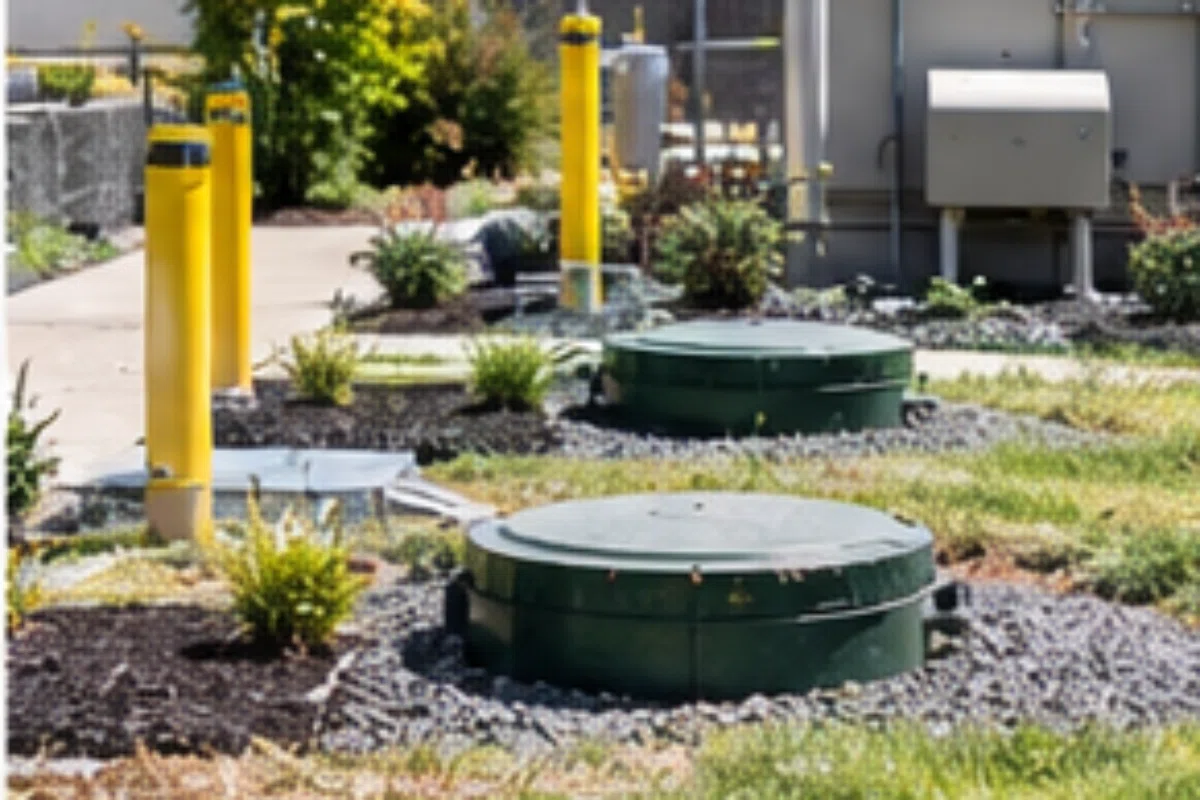
Drainfield laterals carry septic effluent away from the distribution box or another approved distribution component. Openings along the lateral release the liquid across a trench, chamber or other absorption area so the soil can continue treatment and dispersal. A lateral is different from the building sewer that carries wastewater from the home to the tank.
The U.S. Environmental Protection Agency's septic system overview explains that conventional systems use a septic tank and a subsurface wastewater infiltration area. A lateral repair therefore has to consider both the pipe defect and the condition of the surrounding field. Reconnecting pipe will not restore soil that can no longer accept normal effluent flow.
A localized repair may address a separated joint, crushed section, root intrusion, settlement, obstruction or damaged connection at the distribution box. Compatible lateral pipe or chamber materials, proper elevation and secure connections matter because the repair must support even distribution. If several laterals are failing or wastewater is surfacing across the absorption area, the problem may extend beyond one pipe section.
When May a Drainfield Lateral Need Repair?
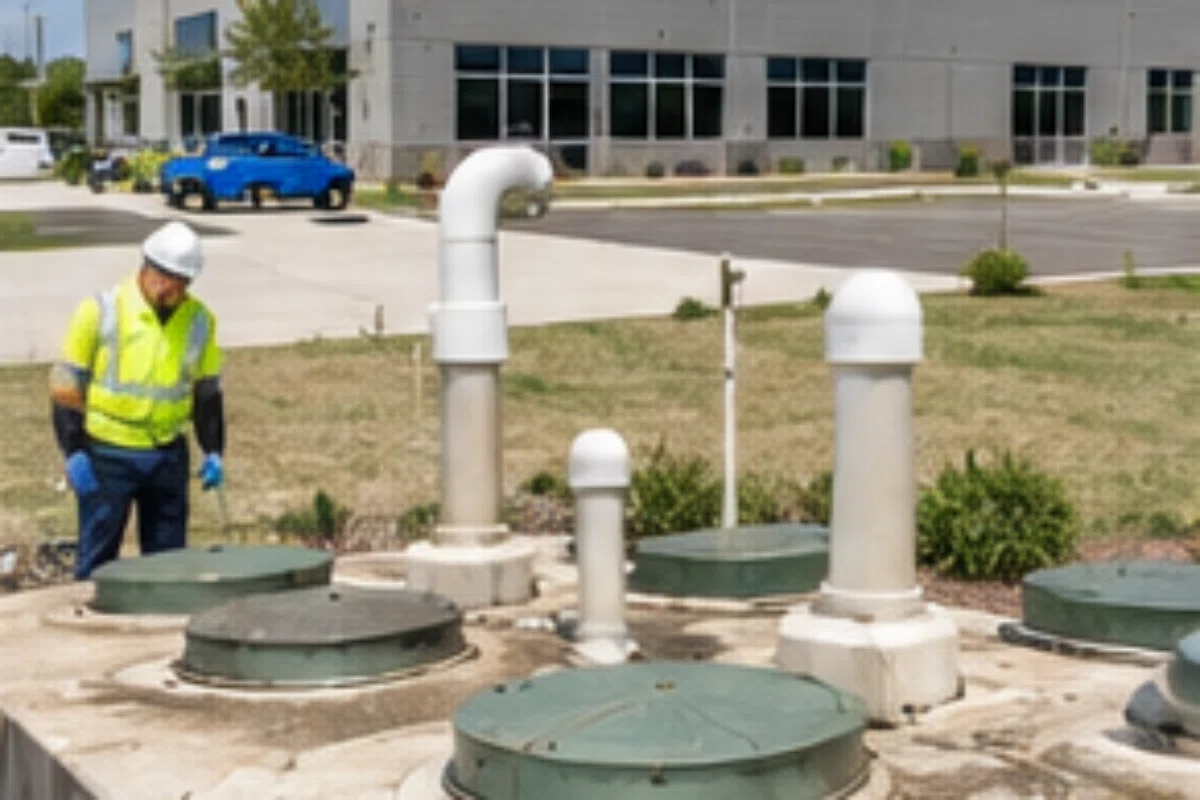
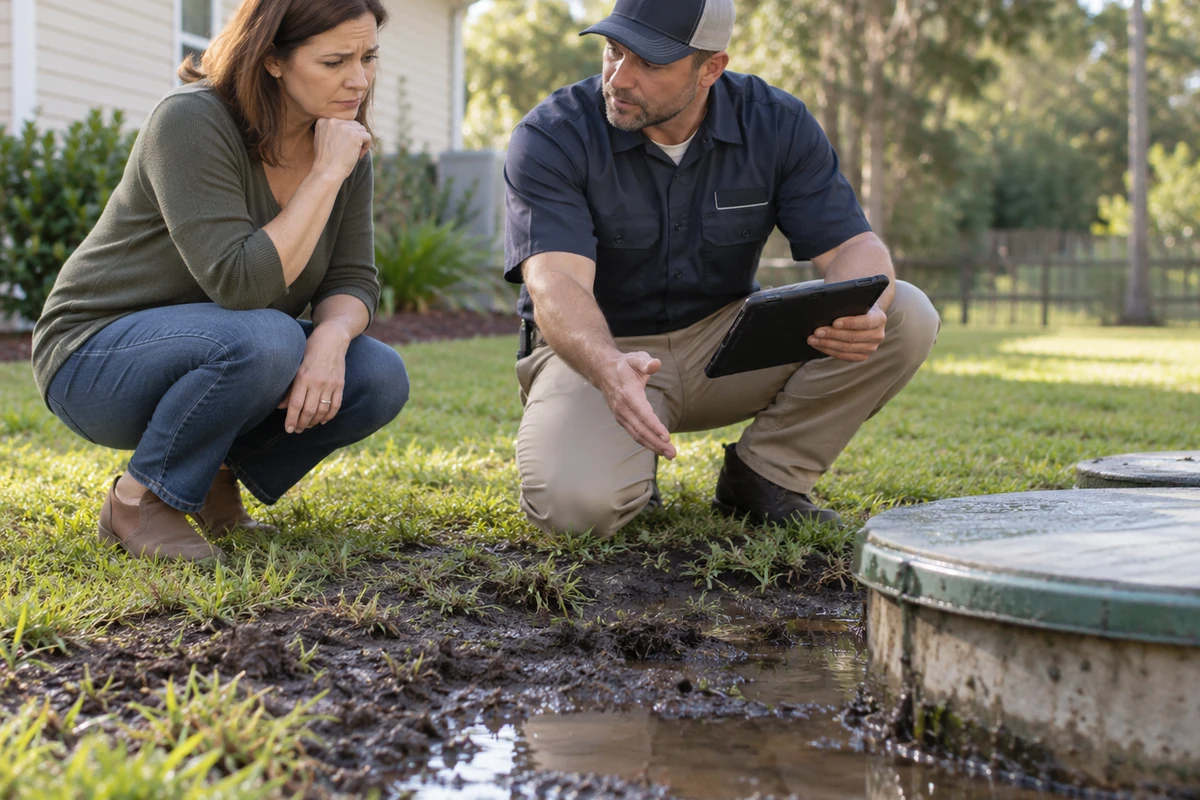
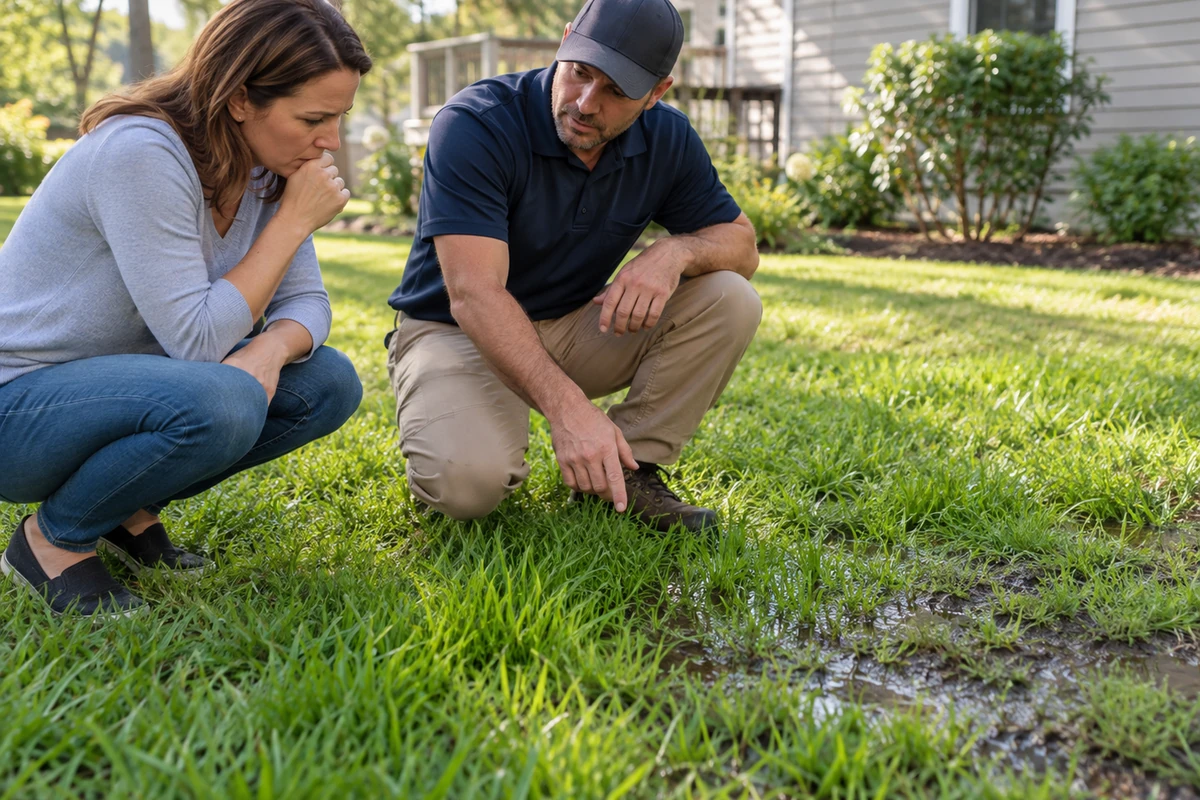
One wet strip or overloaded trench can point toward a lateral problem, but the symptom does not prove the cause. Rain, a tilted distribution box, excessive water use, high groundwater or declining soil absorption can produce a similar pattern. Diagnosis should trace how effluent reaches the affected area before excavation begins.
Wet, soft or unusually green ground follows the path of one lateral while nearby areas remain drier.
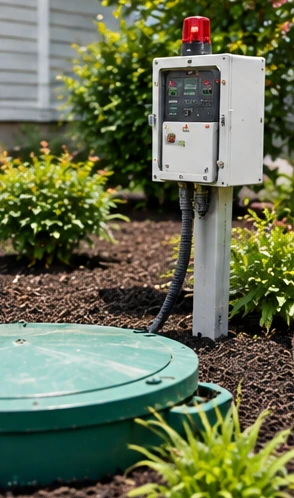
A visible distribution box sends most flow toward one outlet or shows a damaged lateral connection.
A known field area develops sewage odor or surfacing effluent during normal household use.
Vehicle traffic, construction or recent excavation may have crushed or displaced buried piping.
Roots, soil movement or settlement are suspected near a specific trench or connection.
Prior inspection or limited excavation identified separated, obstructed or deteriorated lateral material.
Keep people and pets away from surfacing wastewater and avoid driving across the drainfield. Reduce water use during a backup or active overflow. Cameras can help in some accessible pipe sections, but perforations, standing effluent, bends and system design can limit visibility. Those limits should be documented rather than treated as proof that every buried section is clear.
How We Handle Septic Lateral Line Repair
1. Evaluate Tank and Distribution Conditions
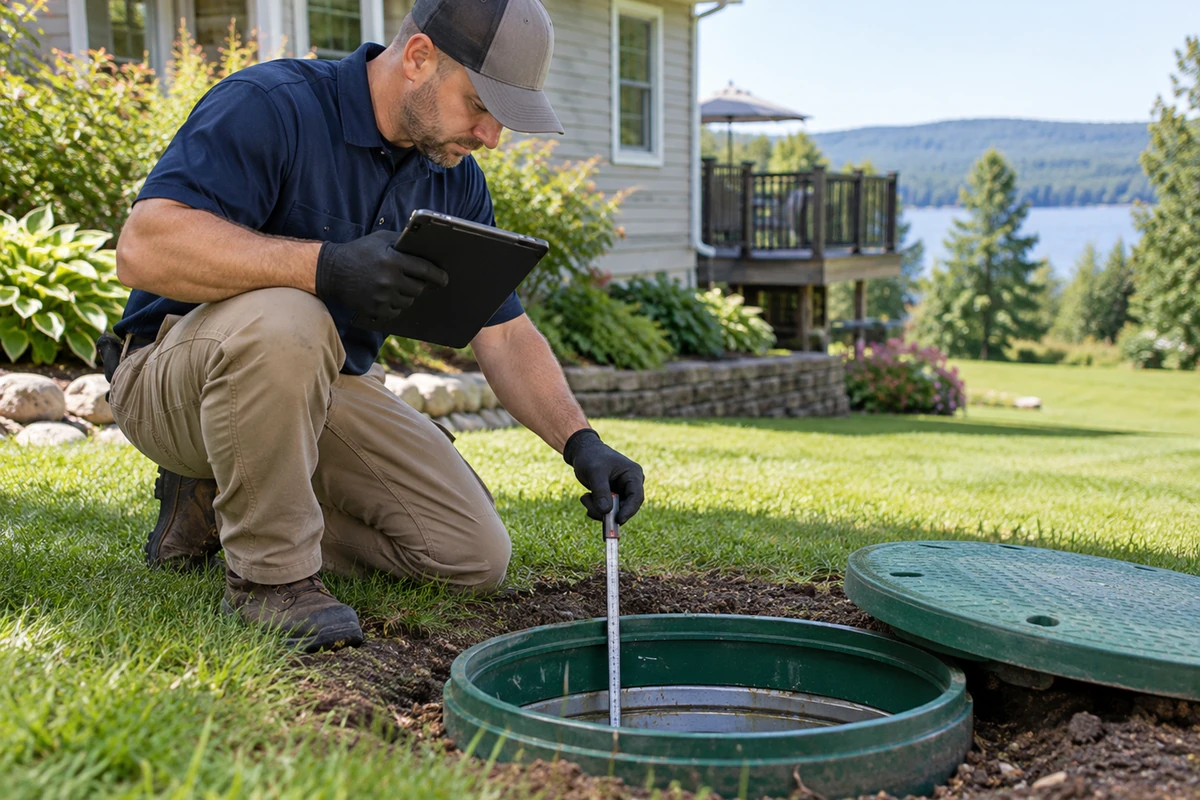
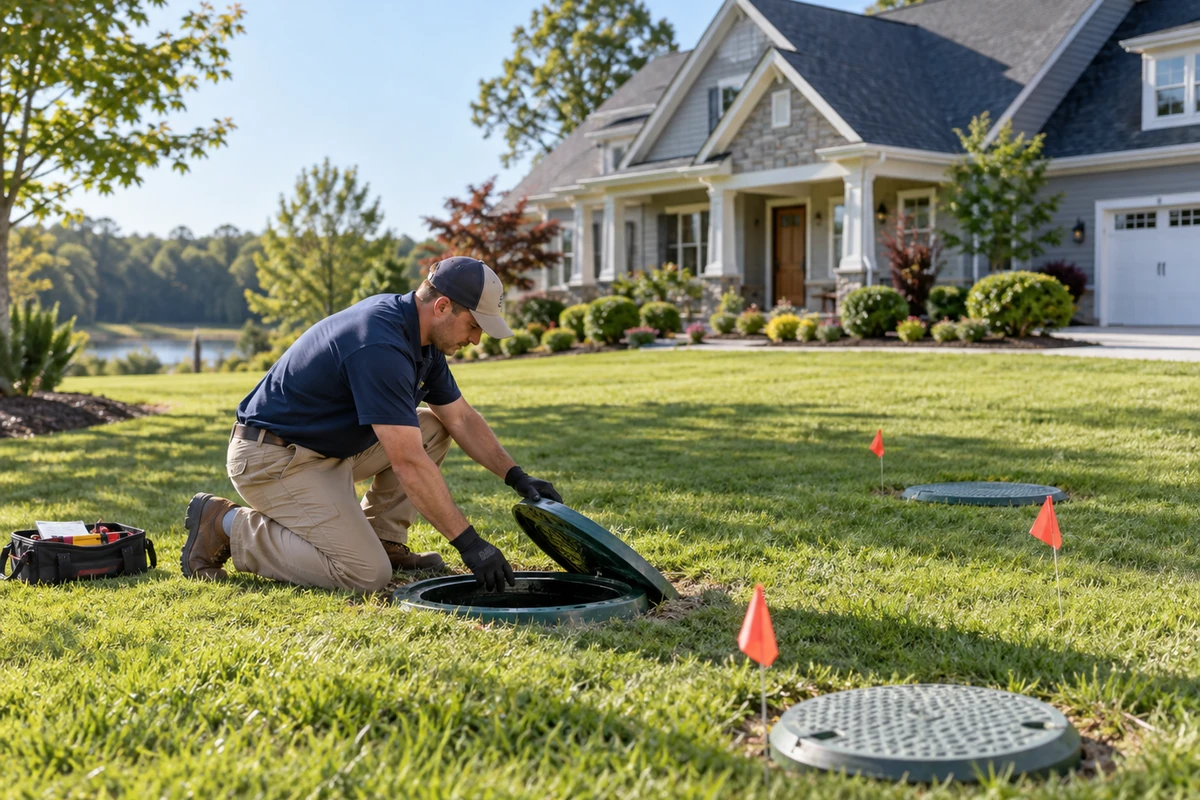
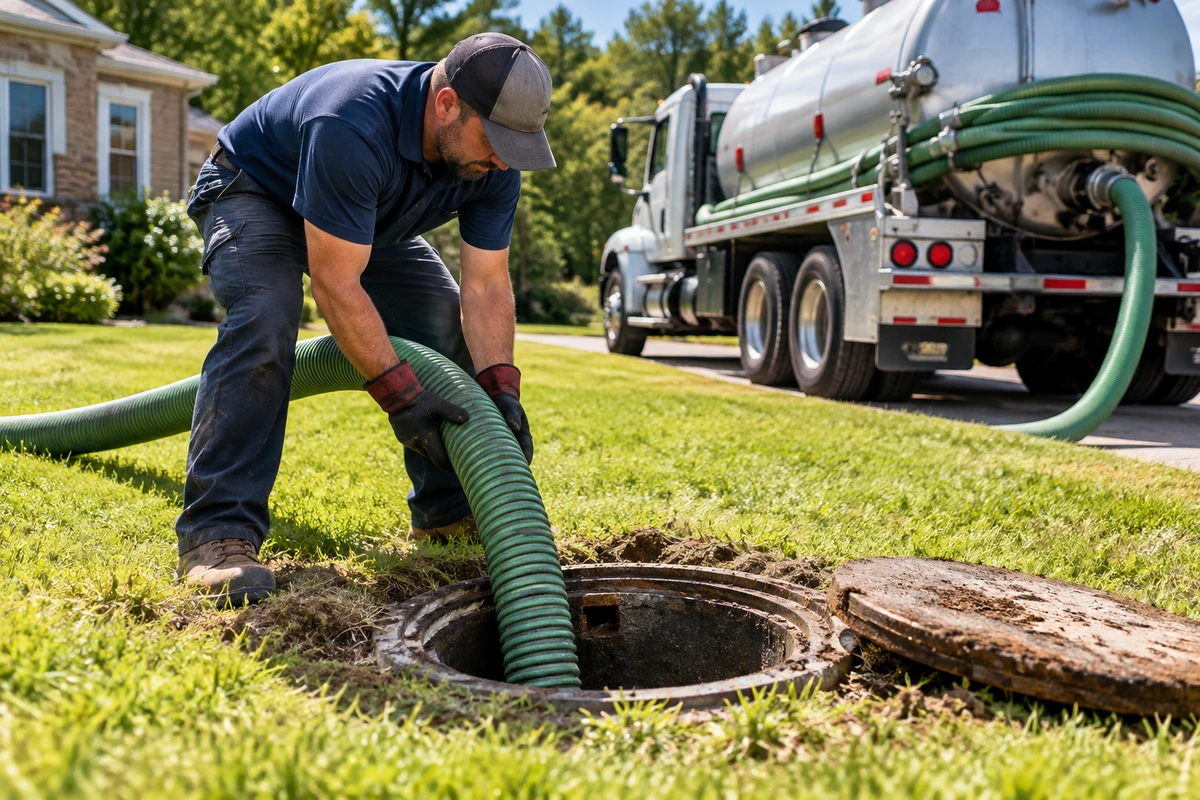
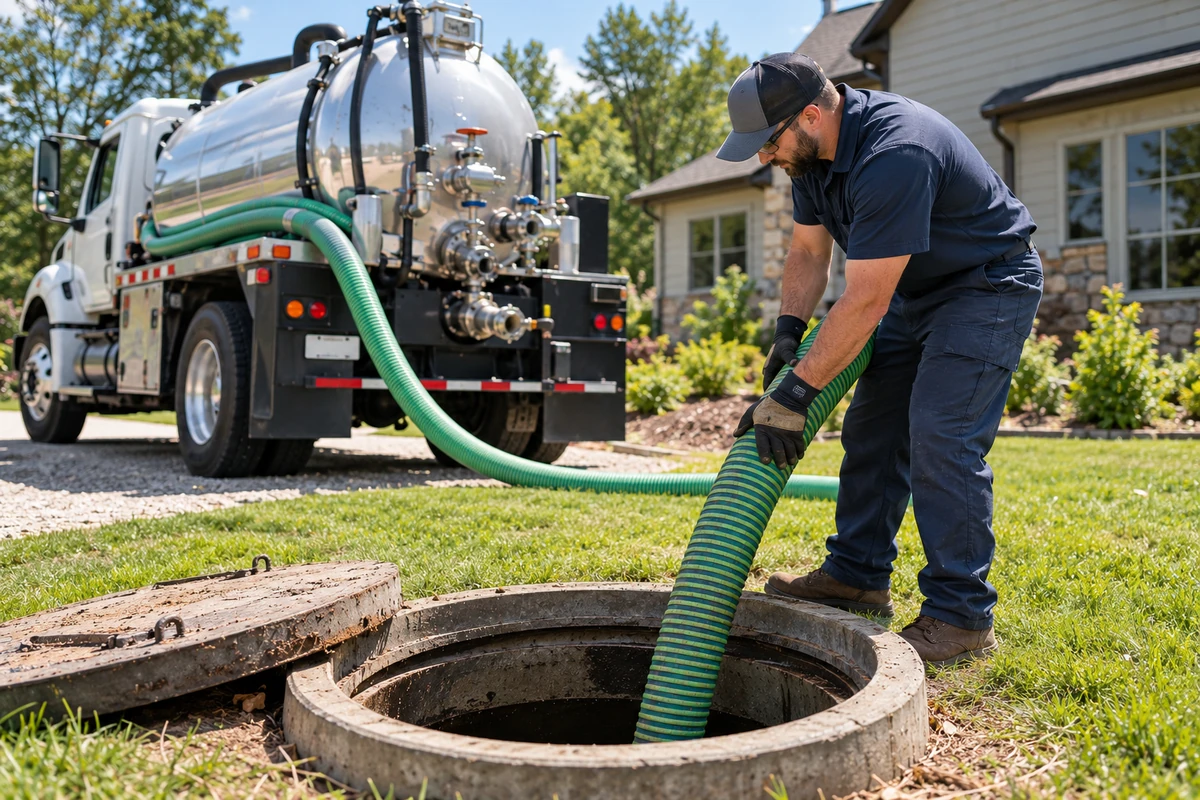
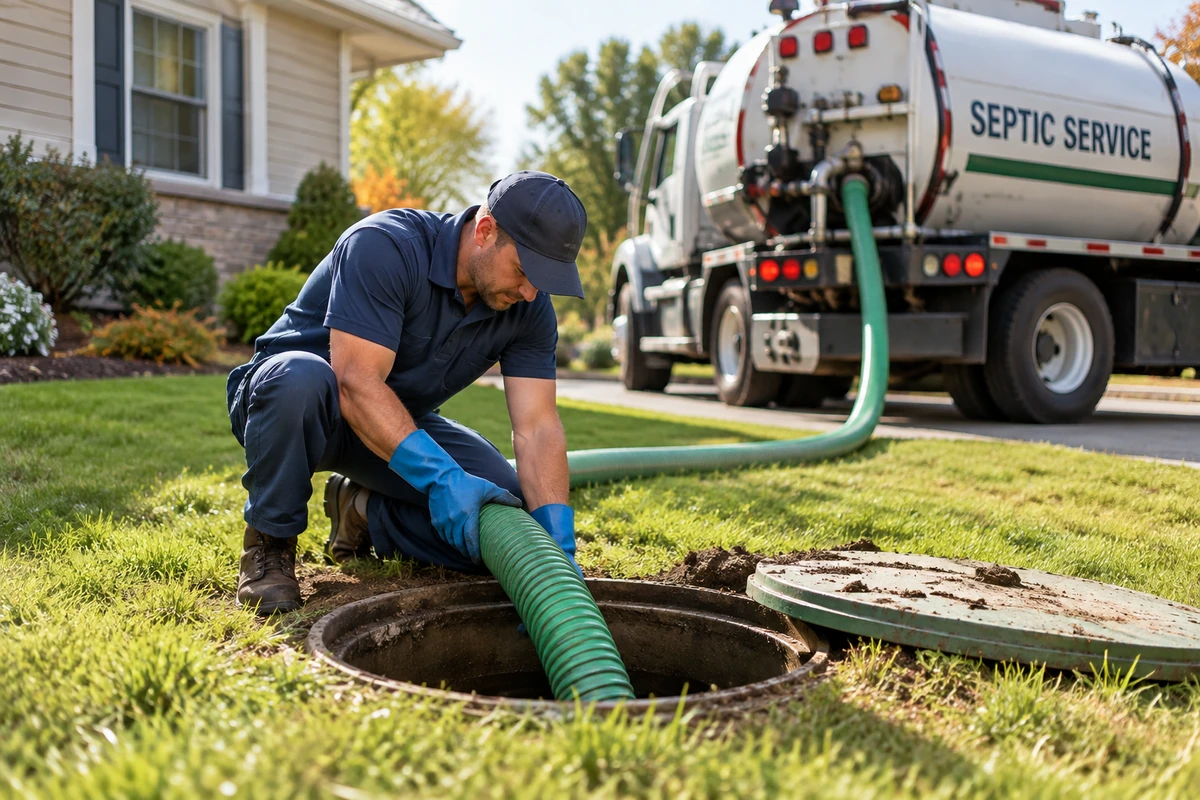
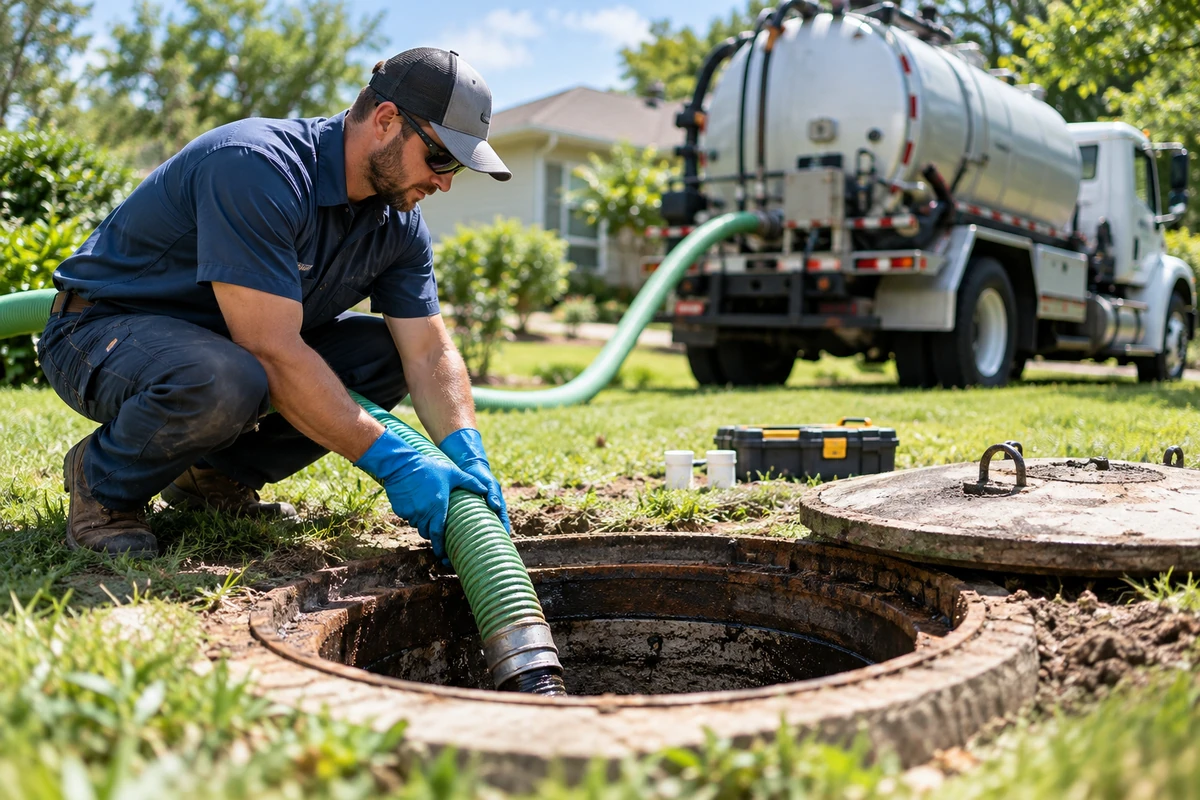
We review available records, pumping history, liquid level, outlet conditions and visible field symptoms. This helps separate a lateral defect from a full tank, damaged outlet or broader absorption problem.
2. Locate the Affected Lateral
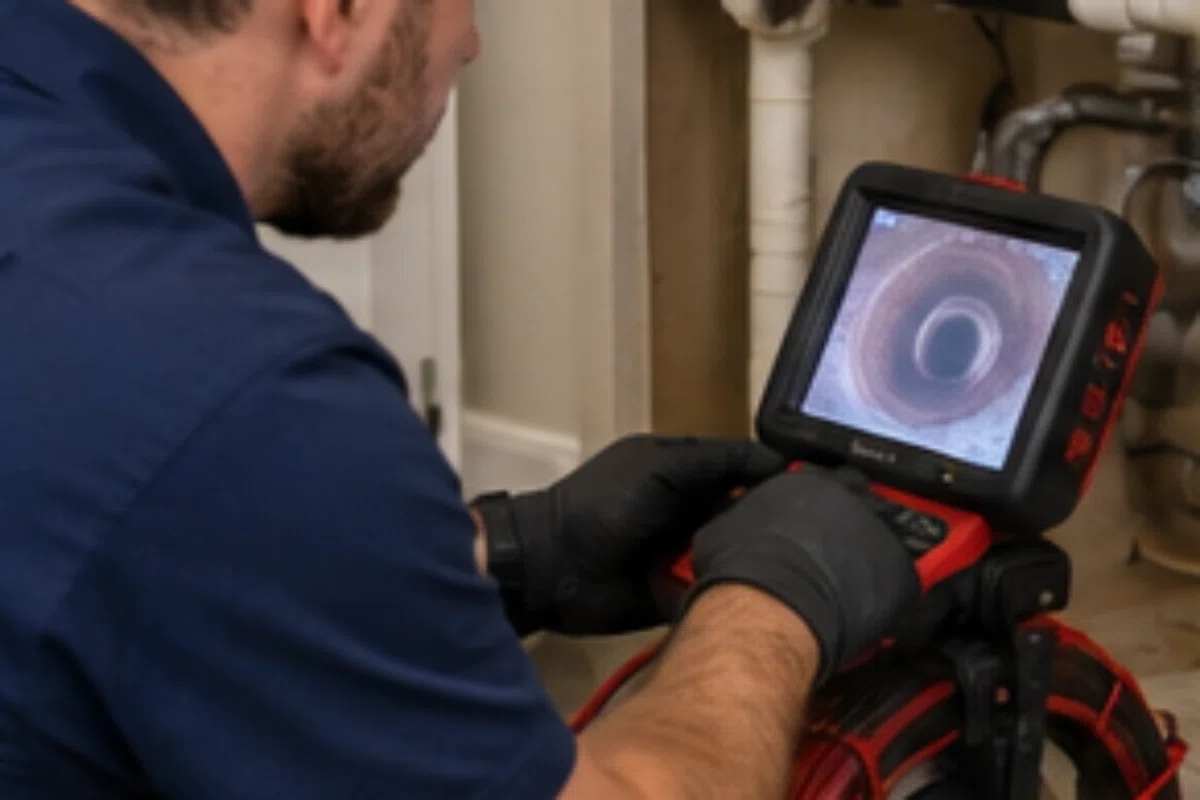
Locating tools, measurements, inspection equipment and a camera where appropriate help narrow the problem area. The existing layout and access determine which method is useful.
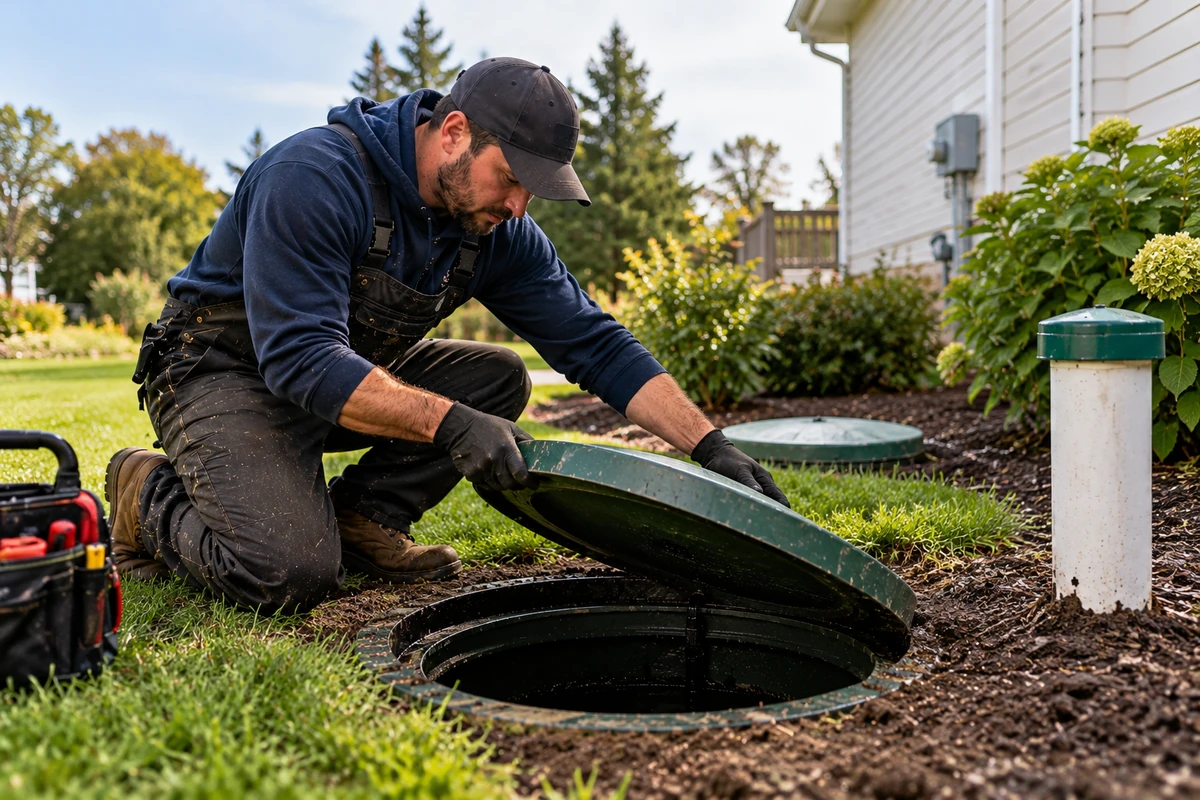
3. Expose Only the Needed Area
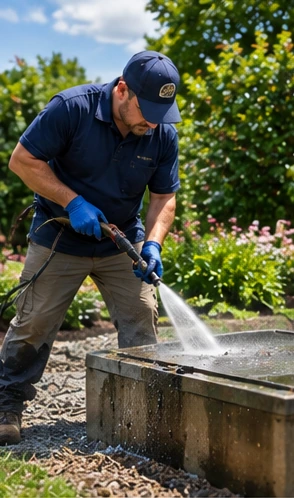
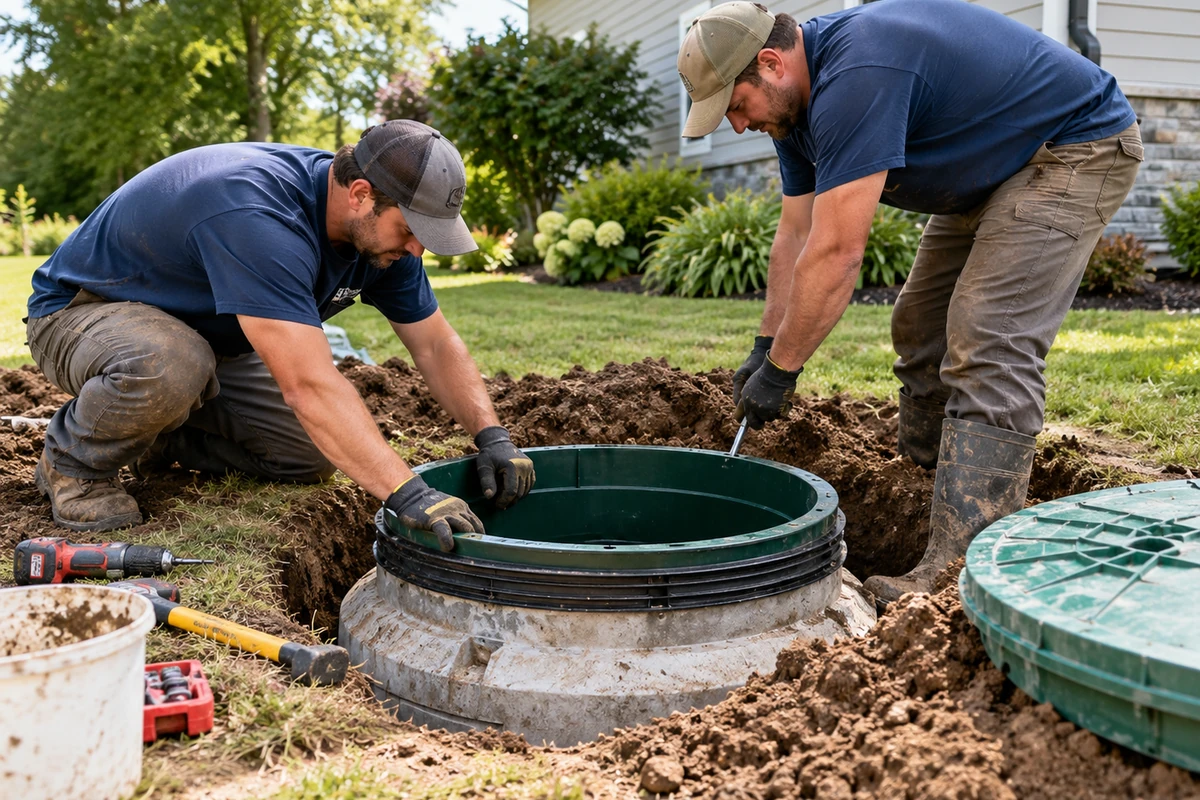
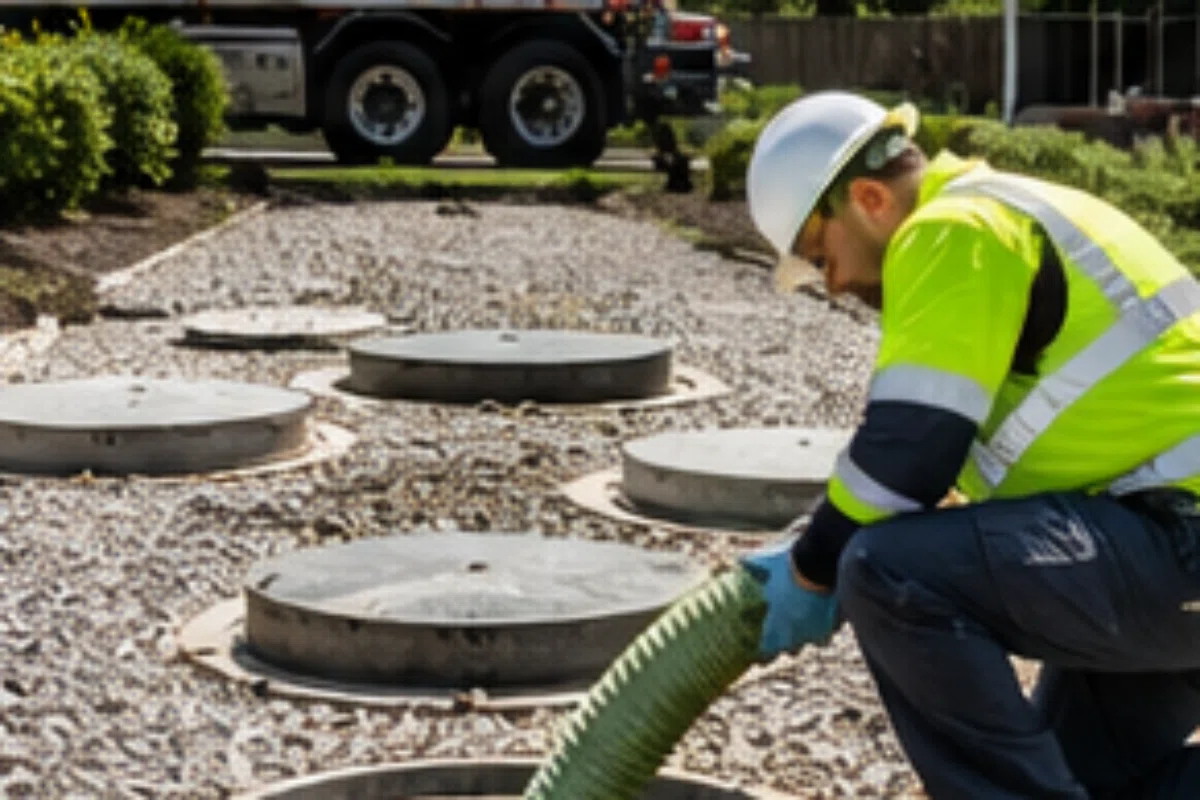
Excavation equipment is used to reach the suspected section while limiting unnecessary disturbance. Depth, groundwater, utilities, landscaping and unstable soil affect safe access.
4. Repair or Replace the Damaged Section
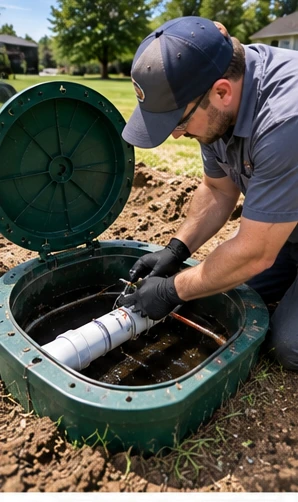
We remove failed material as needed, fit compatible lateral pipe or chamber components, secure connections and restore the intended position. A distribution-box defect is handled as a separate component issue.
5. Verify Flow and Restore the Site
Accessible connections and distribution are checked after repair. The work record identifies the repaired section, materials, remaining limits and surface restoration included in the scope.
What Affects Septic Lateral Line Repair Cost?
Cost depends on locating and diagnostic work, lateral depth, damaged length, excavation, soil and groundwater conditions, equipment access and replacement materials. Roots, multiple breaks, difficult landscaping, pumping, permits or surface restoration can add work. A local range should be published only when current provider quotes or completed Northern Kentucky jobs support it.
Related Drainfield Services
The parent Drainfield Repair Covington page covers overall field diagnosis, soil-absorption concerns and the repair-versus-replacement decision.
If flow is divided unevenly before reaching the laterals, see Septic Distribution Box Repair Covington.
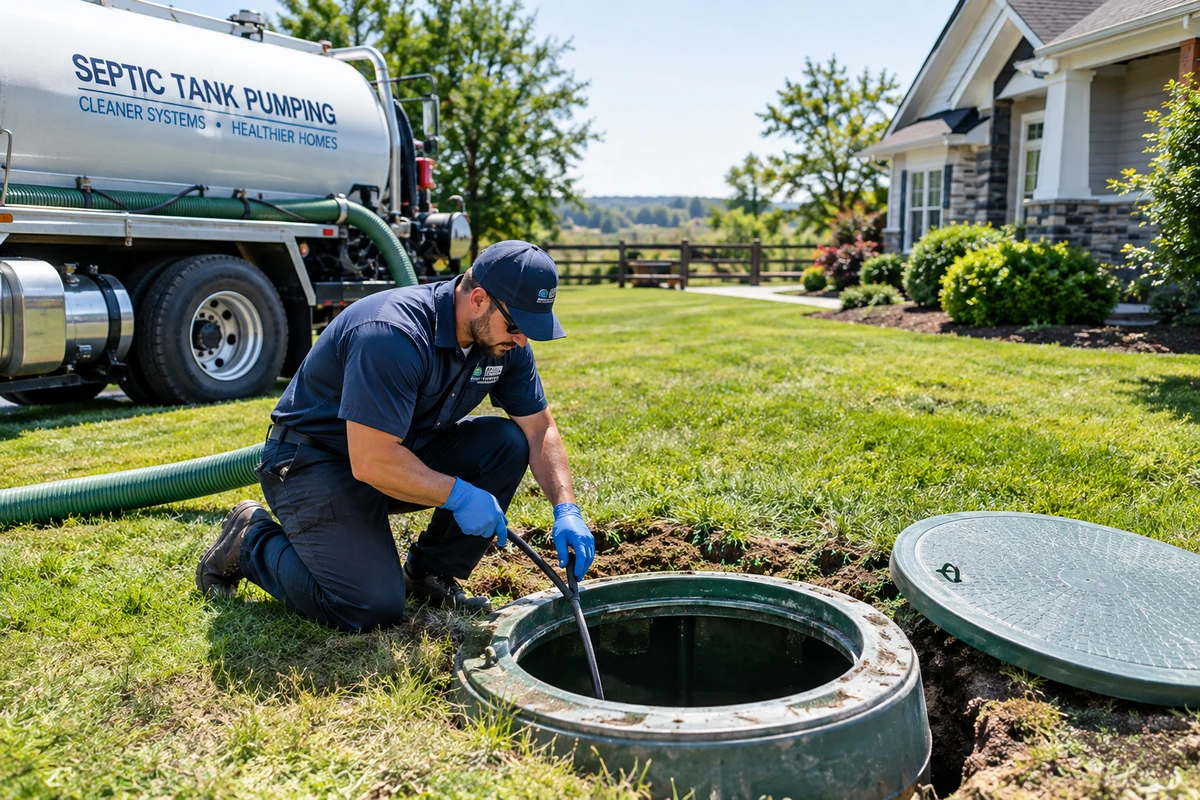
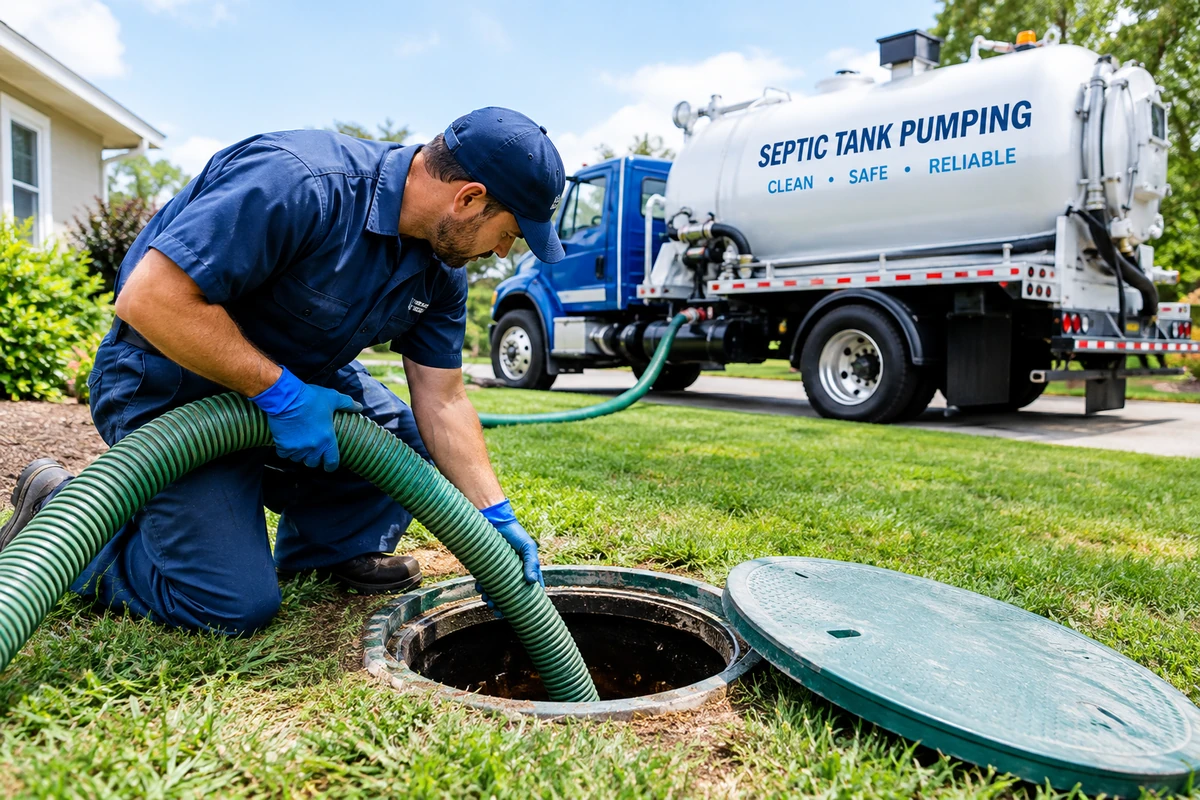
Routine tank emptying and solids removal are covered under Septic Tank Pumping Covington KY.
Review Areas We Serve Near Covington for confirmed coverage around Covington, Kenton County and Northern Kentucky.
Frequently Asked Questions
Can one damaged lateral line be repaired without replacing the whole field?
Sometimes. A localized repair may be possible when the problem is limited and the remaining field and soil-absorption area are still serviceable. Diagnosis must also confirm that distribution, site conditions and other laterals do not point to a broader field problem.
How much does septic lateral line repair in Covington cost?
Cost depends on system size, access, depth, damaged length, soil conditions, equipment and any additional diagnosis or repair. Pumping, roots, groundwater, permits and surface restoration may change the scope. A local range should be published only after current provider quotes or completed jobs support it.
How does this page differ from Drainfield Repair Covington?
This child page focuses on locating and repairing damaged lateral piping. The parent page covers the complete drainfield, including distribution components, soil-absorption performance, surfacing effluent and the decision between component repair and broader replacement.