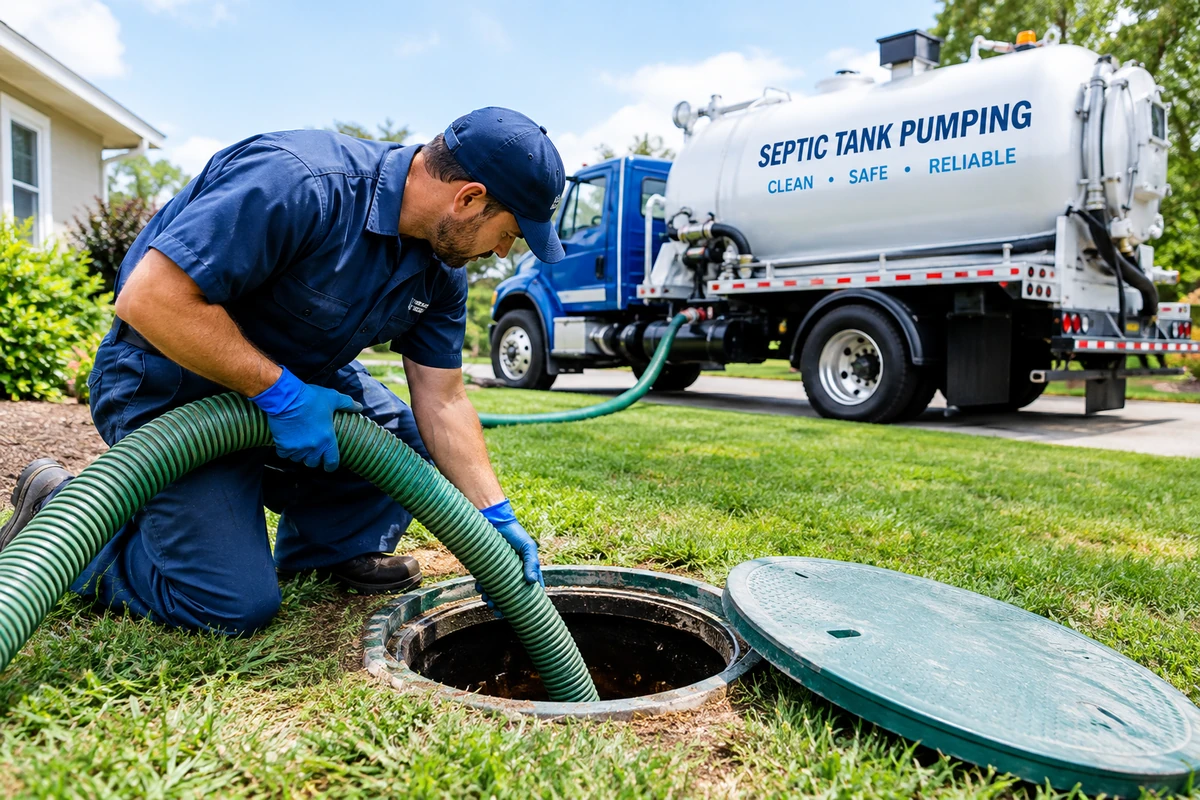
What Should You Do During a Septic Emergency?
Stop or sharply reduce water use as soon as a septic backup or overflow appears. Do not flush toilets, run laundry, use the dishwasher or take showers. Keep people and pets away from sewage and wet soil. Never enter a septic tank or lean over an open access point.
Avoid direct contact with sewage, contaminated surfaces and standing wastewater.
Keep children, pets and visitors away from the affected indoor or outdoor area.
Do not open, enter or work inside a septic tank; toxic gases and oxygen deficiency can be fatal.
Stay clear of electrical panels, pumps, wiring or outlets exposed to water or sewage.
Do not add chemical drain cleaners, septic additives or large amounts of disinfectant to the system.
Note where the backup, overflow, odor or alarm first appeared and what fixtures were being used.
The U.S. Environmental Protection Agency guidance on septic malfunctions advises avoiding contact with backed-up sewage because it may contain harmful pathogens. If sewage has reached electrical equipment or creates another immediate danger, remain in a safe location and contact the appropriate utility or emergency authority.
What Emergency Septic Service Covers
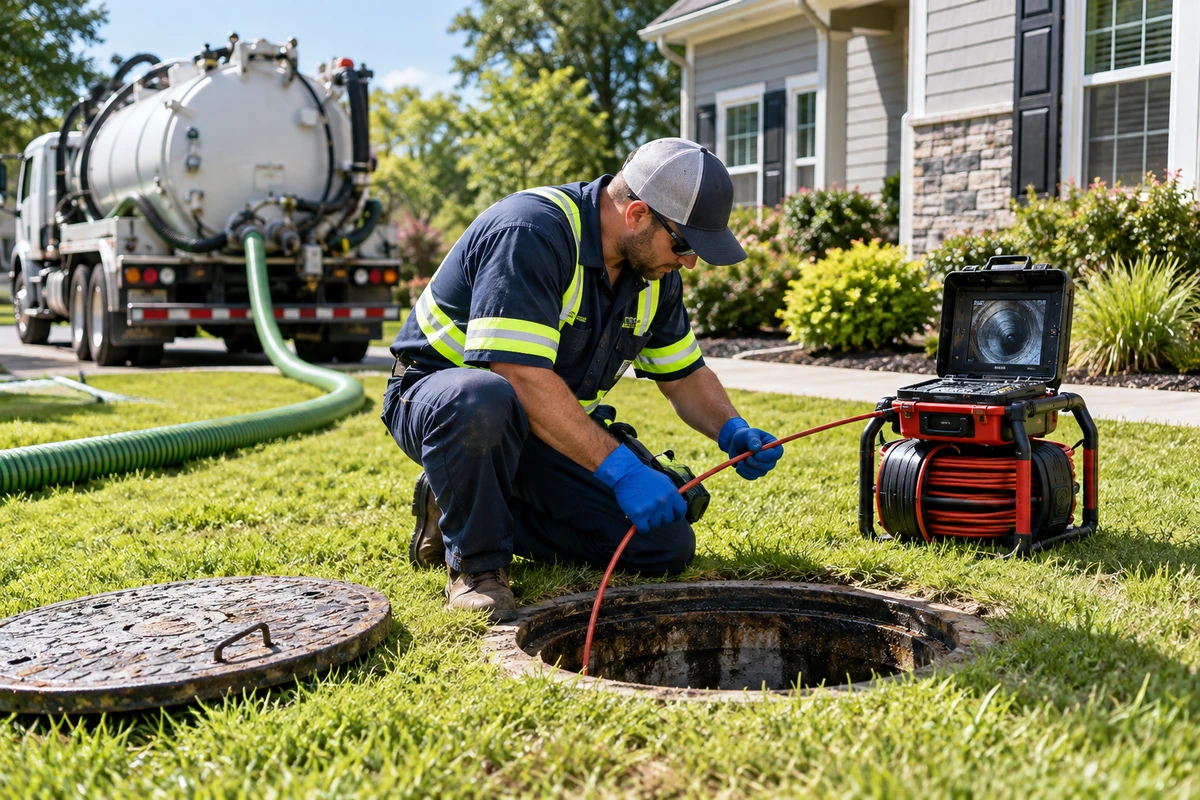
Emergency septic service begins with triage. We confirm the property uses an onsite system, identify where wastewater is appearing and learn whether the tank has been pumped recently. The initial goal is to reduce the immediate problem without assuming that every backup has the same cause.
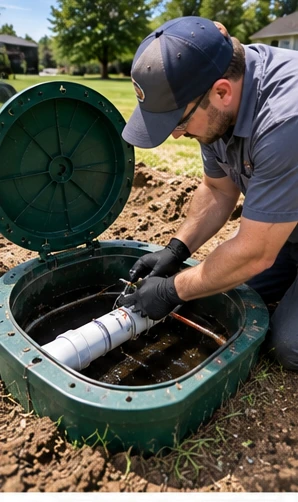
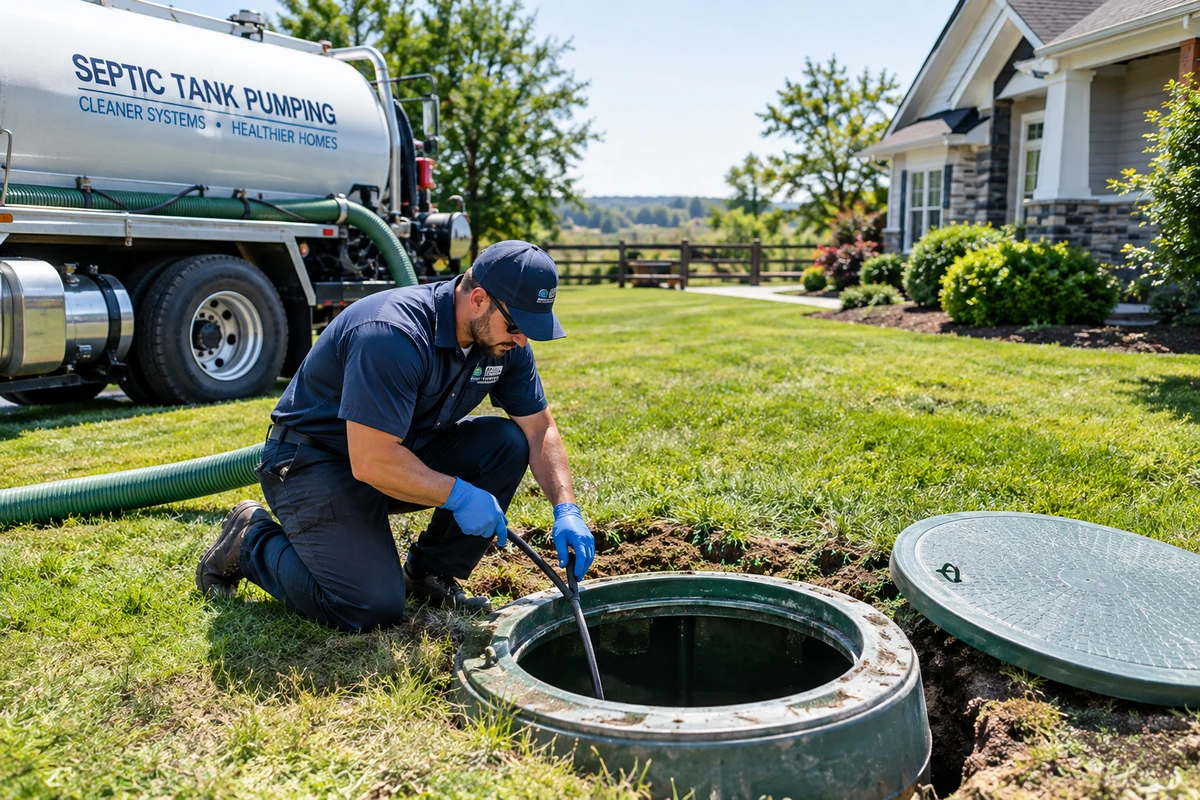
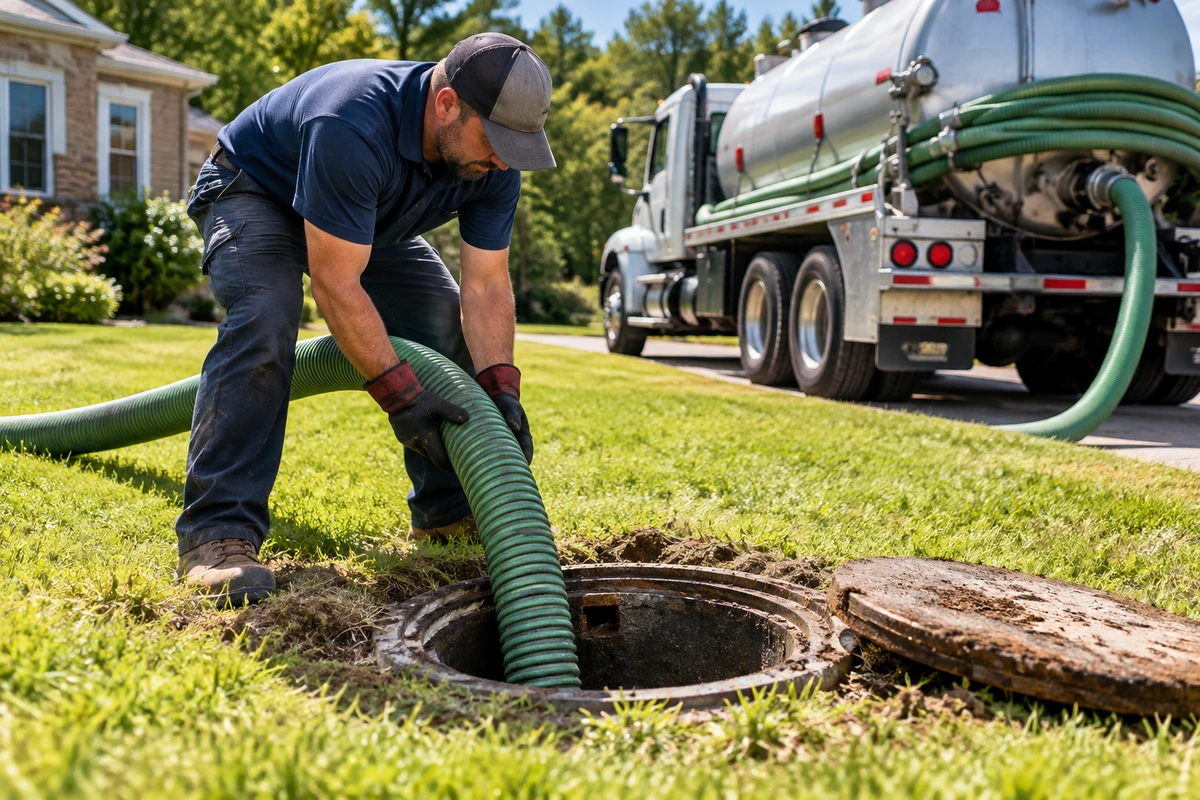
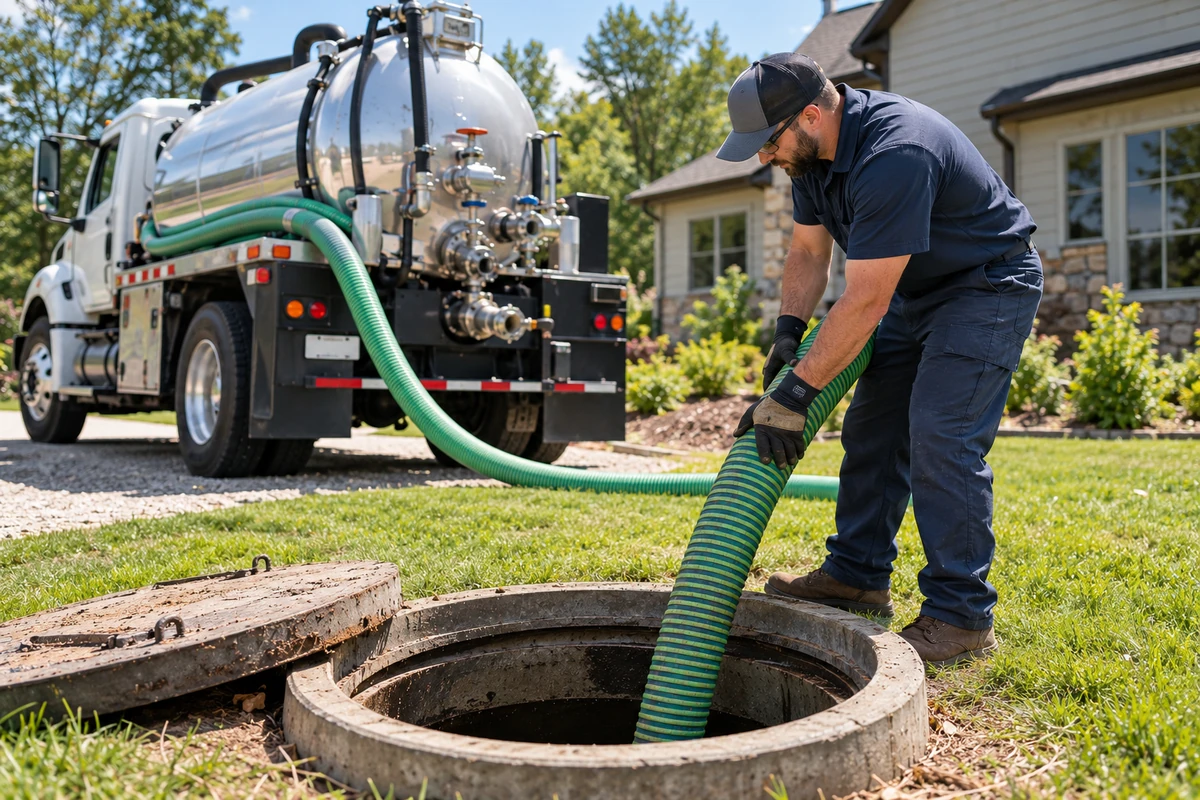
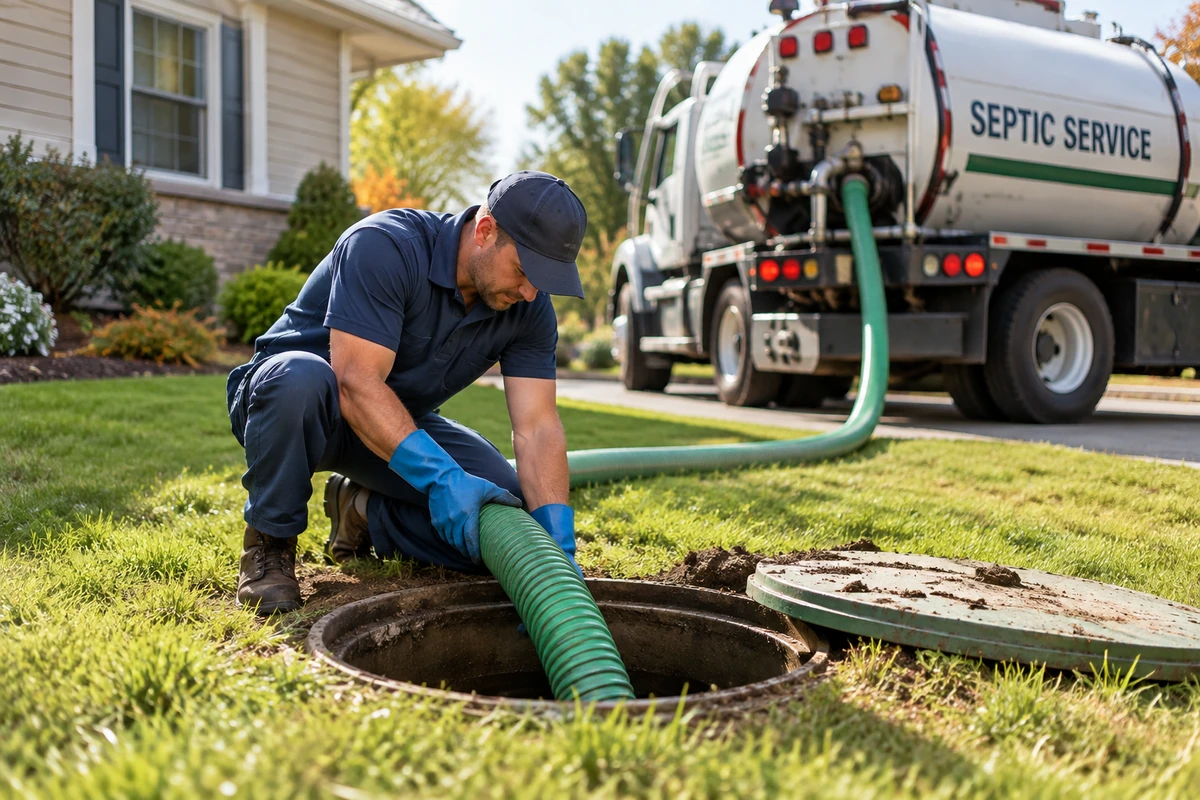
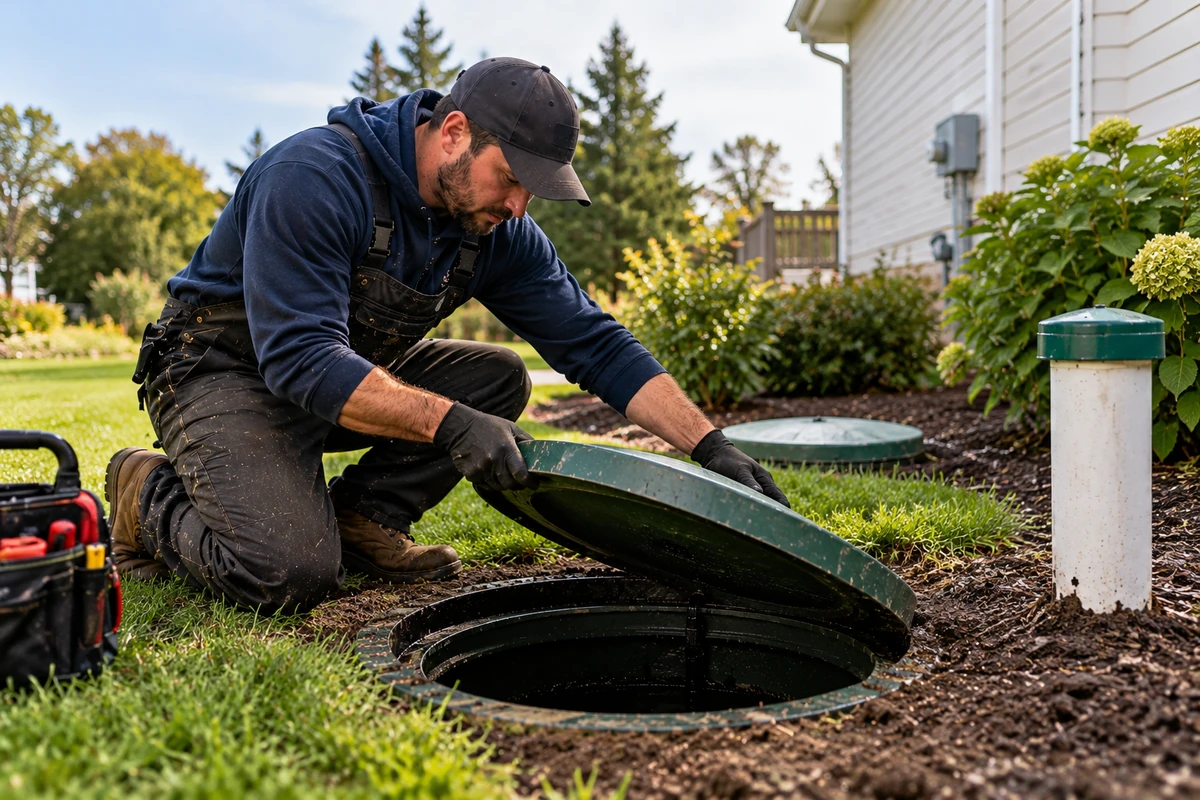
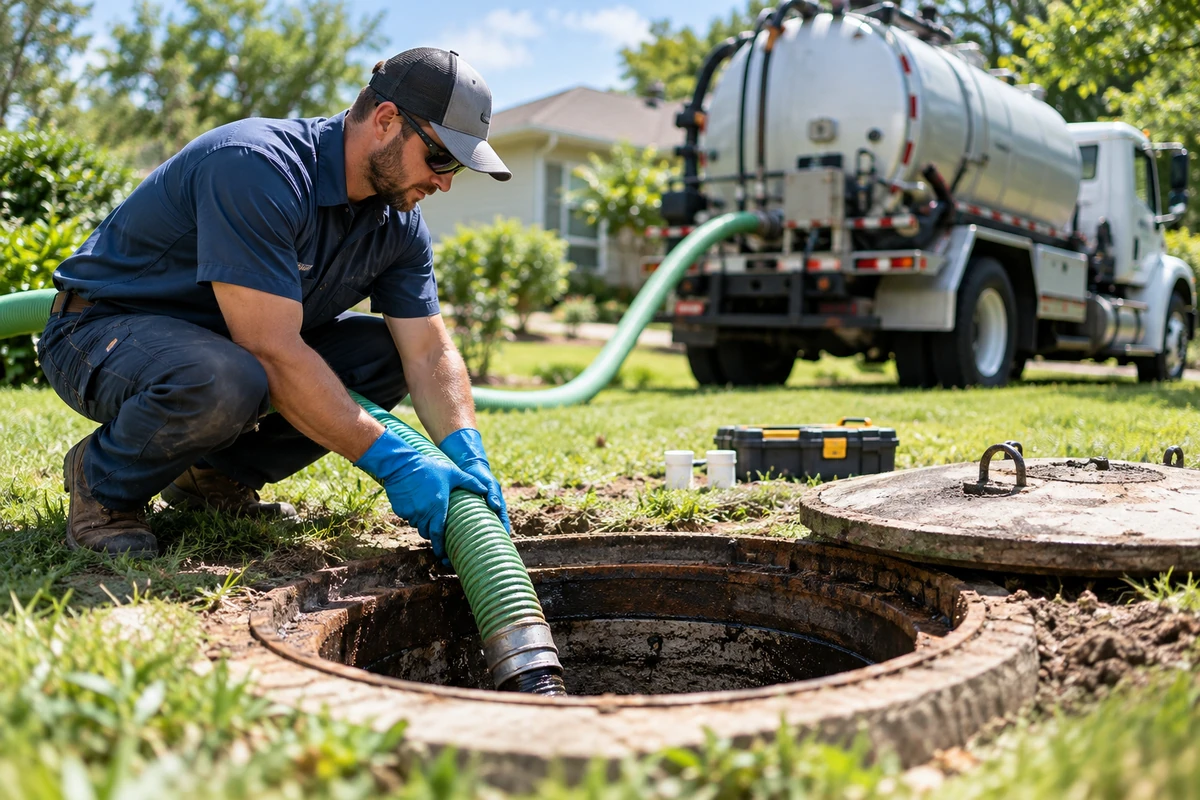
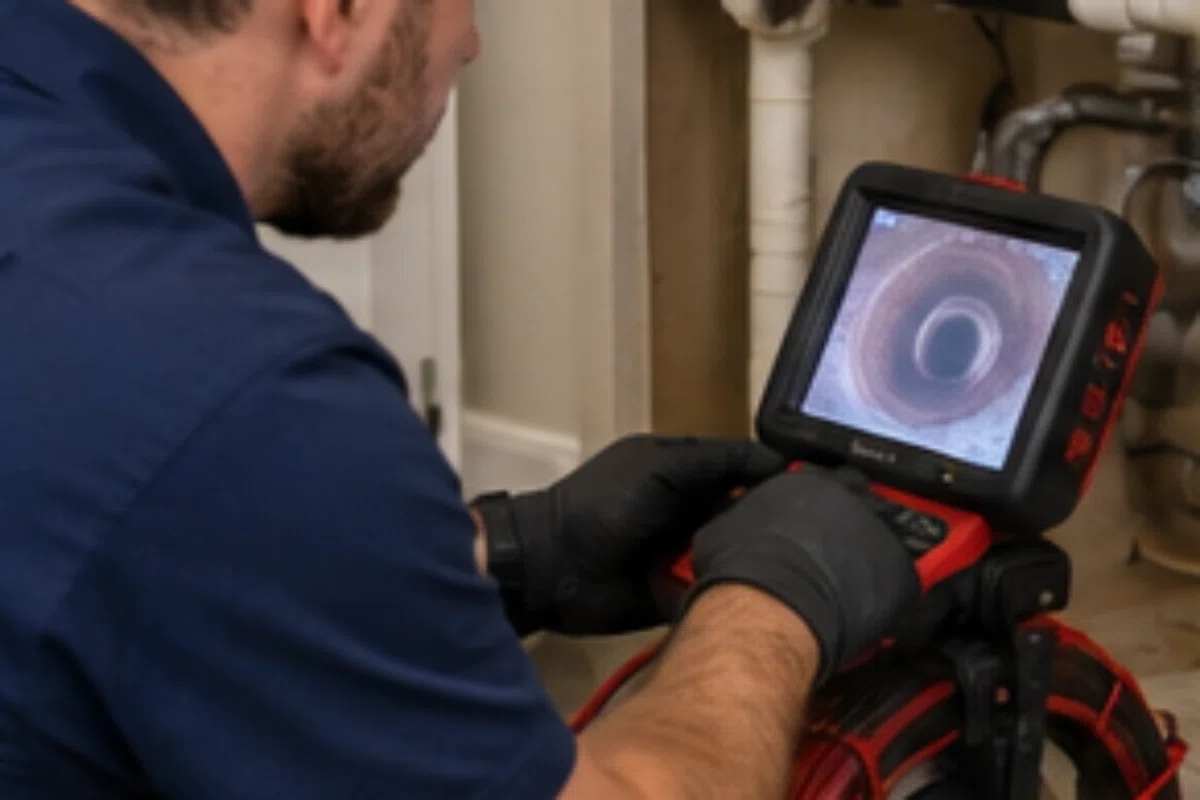
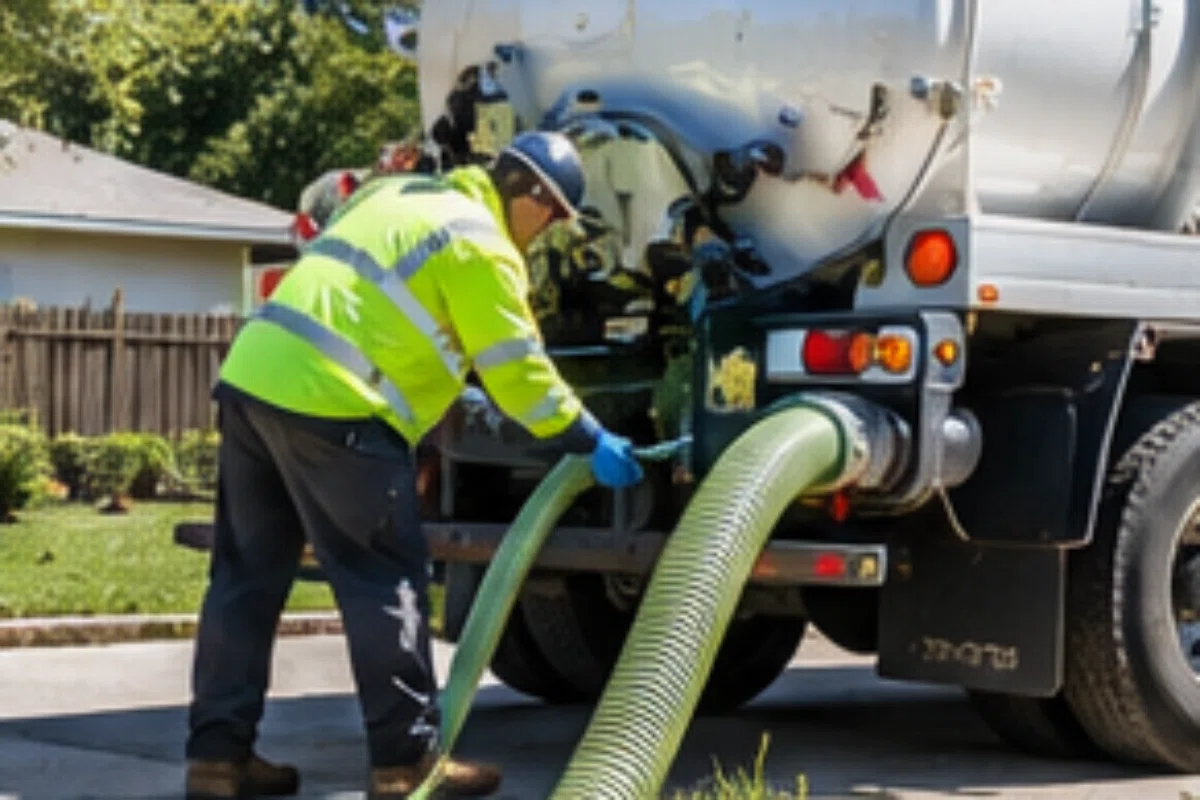
When appropriate and safely accessible, service may include opening the tank, checking liquid level and visible components, inspecting for backup evidence, evaluating the inlet and outlet, checking a pump or high-water alarm and pumping the tank with a vacuum truck. Hoses, access tools, diagnostic equipment, containment supplies and safety equipment are selected for the actual conditions.
Pumping can create temporary working capacity and allow further inspection, but it is not a guaranteed permanent repair. A blocked building sewer, failed effluent pump, damaged float, broken baffle, tilted distribution box, crushed lateral or saturated drainfield may need separate work. Indoor plumbing obstructions, municipal sewer problems and stormwater flooding also fall outside ordinary tank pumping.
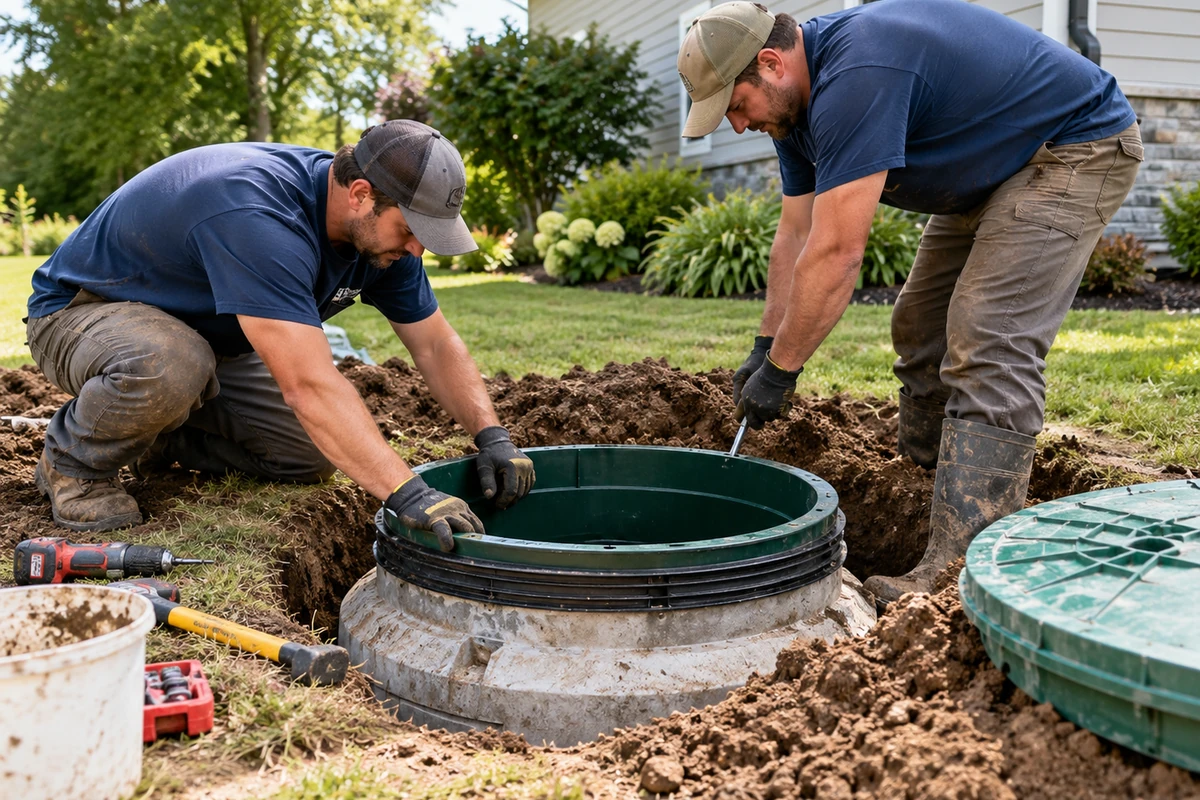
Unsafe or inaccessible lids, unstable soil, flooding, electrical hazards, blocked vehicle access and unknown tank locations can limit what can be completed immediately. The service scope should state what was inspected, what work was performed, what remains uncertain and what follow-up is recommended.
Signs You May Need Emergency Septic Service
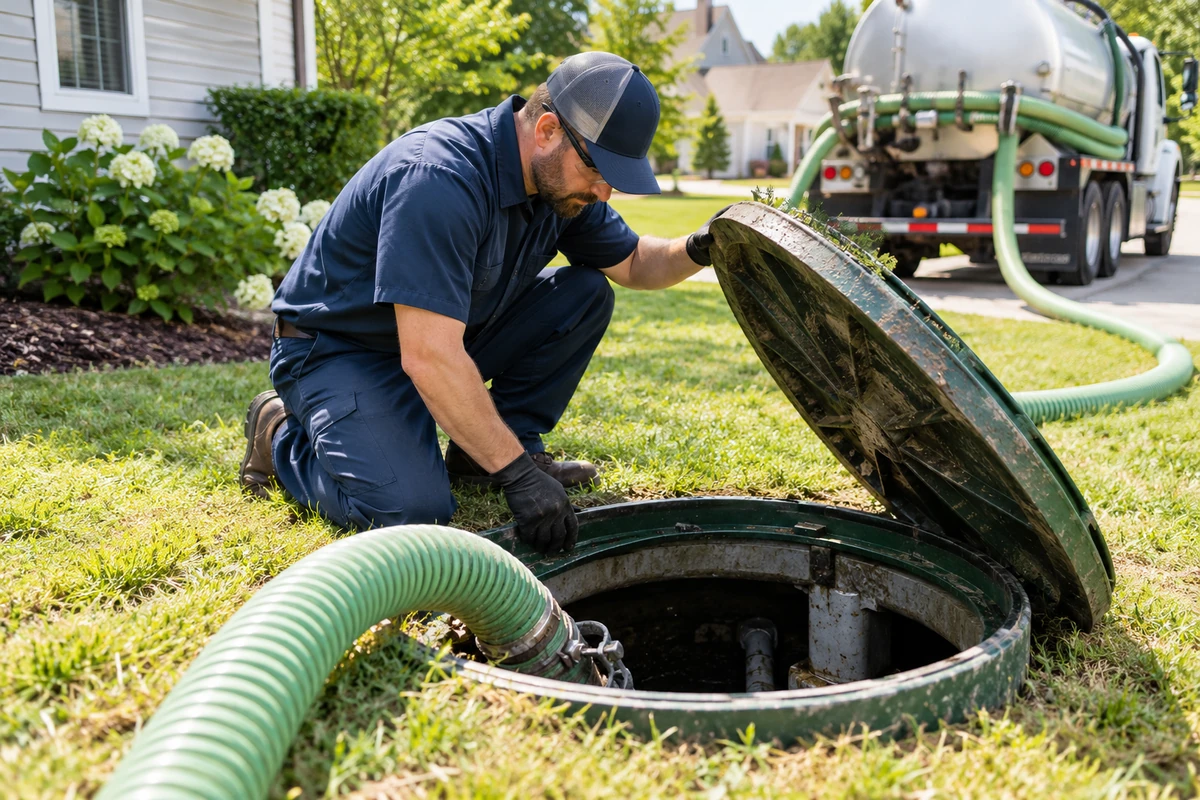
An urgent symptom means the system needs prompt attention, but it does not identify the cause by itself. The same backup can result from a full tank, a blocked pipe or a failed drainfield. Report the location, timing, weather and recent water use so the first inspection starts with useful facts.
Raw sewage is backing up through a toilet, shower, tub or floor drain.
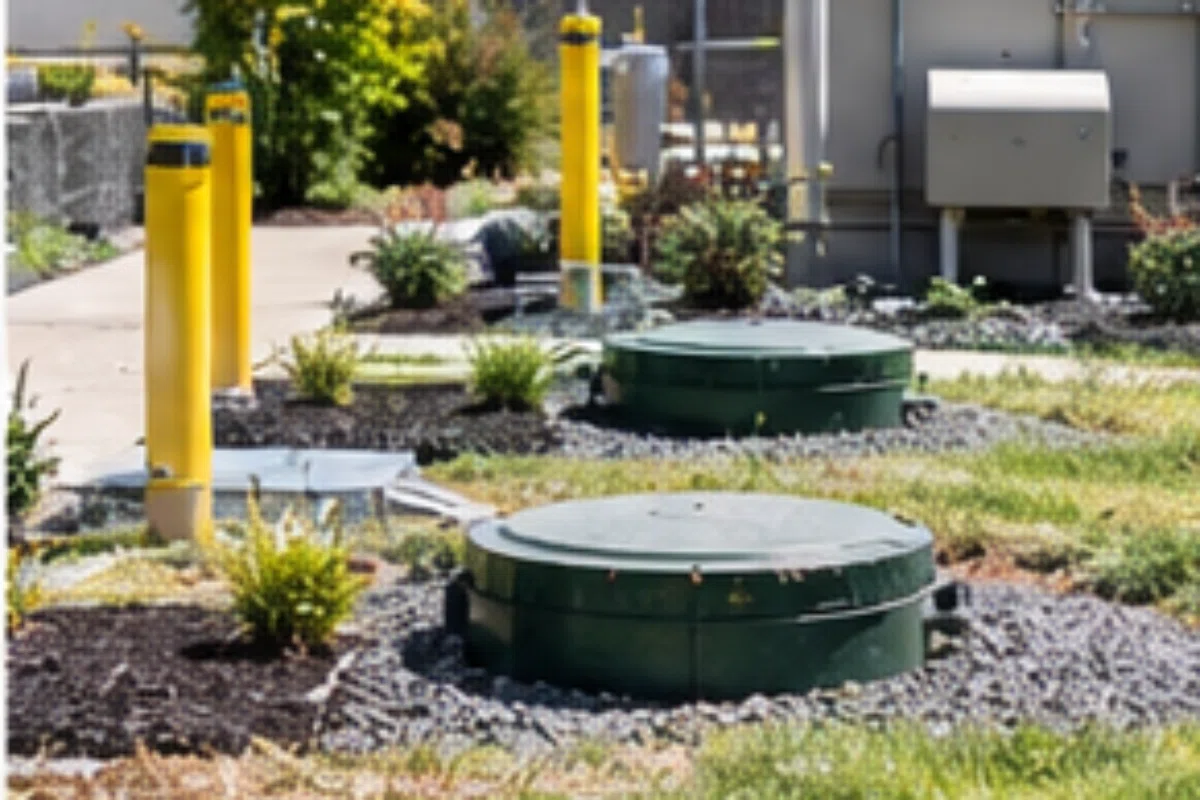
Wastewater is overflowing from a tank access point or surfacing nearby.
Wet, spongy or sewage-smelling ground appears over the tank or drainfield in dry weather.
Several fixtures drain slowly or gurgle at the same time.
A high-water alarm stays on, returns after reset or accompanies slow drainage.
The tank lid, riser or surrounding soil appears collapsed, shifted or unsafe.
Wastewater is moving toward a well, waterway, neighboring property or occupied area.
Odor alone does not always prove system failure. A dry trap, plumbing vent issue or weather-related downdraft can cause odor without a full tank. Odor combined with backups, surfacing effluent, unusual tank levels or a persistent alarm provides stronger evidence that the onsite system needs evaluation.
Common Causes of a Septic Backup or Overflow
Emergency symptoms usually involve restricted flow, excess hydraulic load, a failed component or soil that cannot accept more effluent. Diagnosis should follow the wastewater path from the building sewer through the tank and distribution system to the drainfield.
Tank and Maintenance Conditions
Excess sludge and scum reduce usable tank volume and can move solids toward the outlet. A blocked effluent filter, damaged tee, leaking tank or overdue pumping can contribute to high levels and poor flow.
Line and Distribution Problems
Grease, wipes, roots, pipe settlement, a crushed inlet, blocked outlet or uneven distribution can restrict wastewater. A localized obstruction may need line or component service rather than repeated pumping.
Pump, Float and Alarm Failures
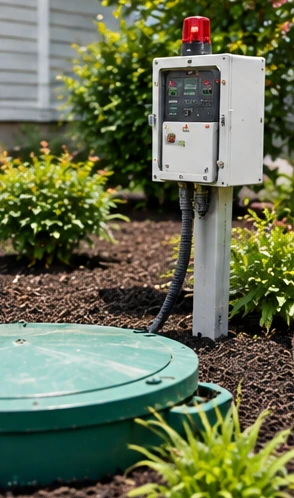
Pressure and pump-assisted systems depend on electrical controls. A failed pump, stuck float, tripped circuit, damaged wire or control problem can allow the pump chamber to rise and activate the alarm.
Drainfield Saturation or Failure
Heavy rain, groundwater, compacted soil, hydraulic overload or long-term biomat development can slow dispersal. The EPA septic-care guidance notes that roof drains, sump pumps and other rainwater drainage should be kept away from the drainfield because excess water can slow or stop treatment.
Household Water Surges
Large laundry days, leaking toilets, long showers and multiple high-use fixtures can send water faster than the system can handle. Reducing flow may prevent additional backup while the underlying condition is evaluated.
How Our Emergency Septic Service Process Works
1. Verify the System and Immediate Risk
We confirm the property location, onsite-system status, backup location, alarm condition, recent rainfall and whether sewage or electricity creates an active safety concern.
2. Inspect and Diagnose Accessible Components
The tank access, liquid level, inlet, outlet, visible baffles or tees, effluent filter, pump chamber, alarm and surrounding ground are checked as conditions allow. Findings guide the next step.
3. Explain Findings and Define the Scope
We explain what is known, what remains uncertain and whether pumping, line work, pump service, component repair or drainfield evaluation is the suitable next action. Work boundaries are clear before service proceeds.
4. Perform the Agreed Emergency Work
When appropriate, the tank is pumped and material is handled through the applicable disposal process. Accessible filters or components may be serviced when included. Unsafe excavation, electrical repair or permitted system alteration remains separate unless specifically arranged.
5. Verify Flow and Document the Visit
After work, accessible flow and system response are checked. The service record should identify tank condition, levels, work completed, observed defects and any follow-up inspection, repair or permitting need.
For known active failure in Kenton County, the current Northern Kentucky Health guidance distinguishes a failing system from a routine existing-system inspection and directs failing systems toward site evaluation. Kentucky's onsite sewage program also assigns site evaluations and inspections to local health departments, with certified installation required for onsite system construction.
Review the current Northern Kentucky Health septic information and Kentucky onsite sewage program when corrective work may involve permitting, alteration or replacement.
What Affects Emergency Septic Service Cost?
Cost depends on the system type, tank size, access depth, lid location, hose distance, volume pumped, travel, timing, soil and weather conditions, diagnostic work and any additional line, pump, alarm or component service. Difficult access, buried lids, unknown tank locations, multiple tanks, heavy solids, flooding and disposal requirements can change the work. A local range should appear only when supported by current provider pricing or completed Northern Kentucky jobs.
Related Emergency and Septic Services
For wastewater entering the building, see Septic Backup Emergency Covington.
For wastewater escaping at the tank or nearby ground, see Overflowing Septic Tank Service Covington.
Routine tank emptying and maintenance are covered under Septic Tank Pumping Covington KY.
For broader system questions, review Septic Service FAQs.
Emergency Septic Service Areas Near Covington
Emergency coverage depends on the operating territory, current availability, travel conditions, equipment needs and safe site access. Potential service areas include Covington, South Covington, Independence, Taylor Mill, Ryland Heights, Morning View, Piner and Kenton, subject to confirmation by phone.
Review Areas We Serve Near Covington for the planned Covington, Kenton County and Northern Kentucky coverage area.
Frequently Asked Questions
What should I do during a septic backup?
Stop or sharply reduce water use, keep people and pets away from sewage, avoid contact, do not enter the tank, and get professional help. Address electrical hazards only from a safe location.
Will emergency pumping solve the problem permanently?
It may provide temporary relief when the tank is full, but a clogged line, failed pump, damaged component or saturated drainfield may require additional diagnosis and repair.
Do you provide 24-hour septic service?
Emergency availability is confirmed by phone. Service times depend on current operating coverage, location and scheduling. We do not promise 24-hour response unless that coverage has been confirmed.
How much does emergency septic service covington cost?
The cost of emergency septic service covington depends on system size, access, depth, condition, travel, equipment, and any additional diagnosis or repair. Publish a local range only after it is supported by current provider quotes or completed jobs.
Where is emergency septic service covington available?
Emergency Septic Service Covington is available only within the operating provider's confirmed service territory. Coverage and any travel or scheduling limits are confirmed by phone for the property location.