What Septic Riser and Lid Installation Solves
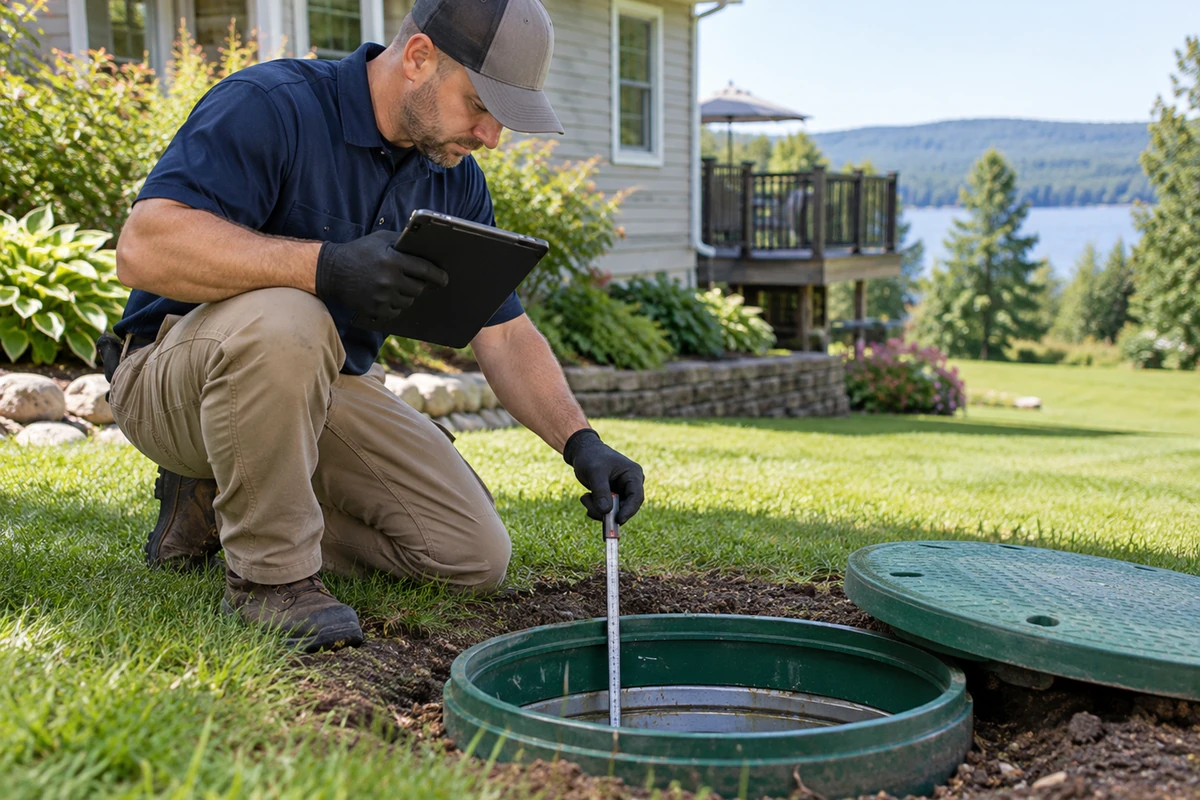
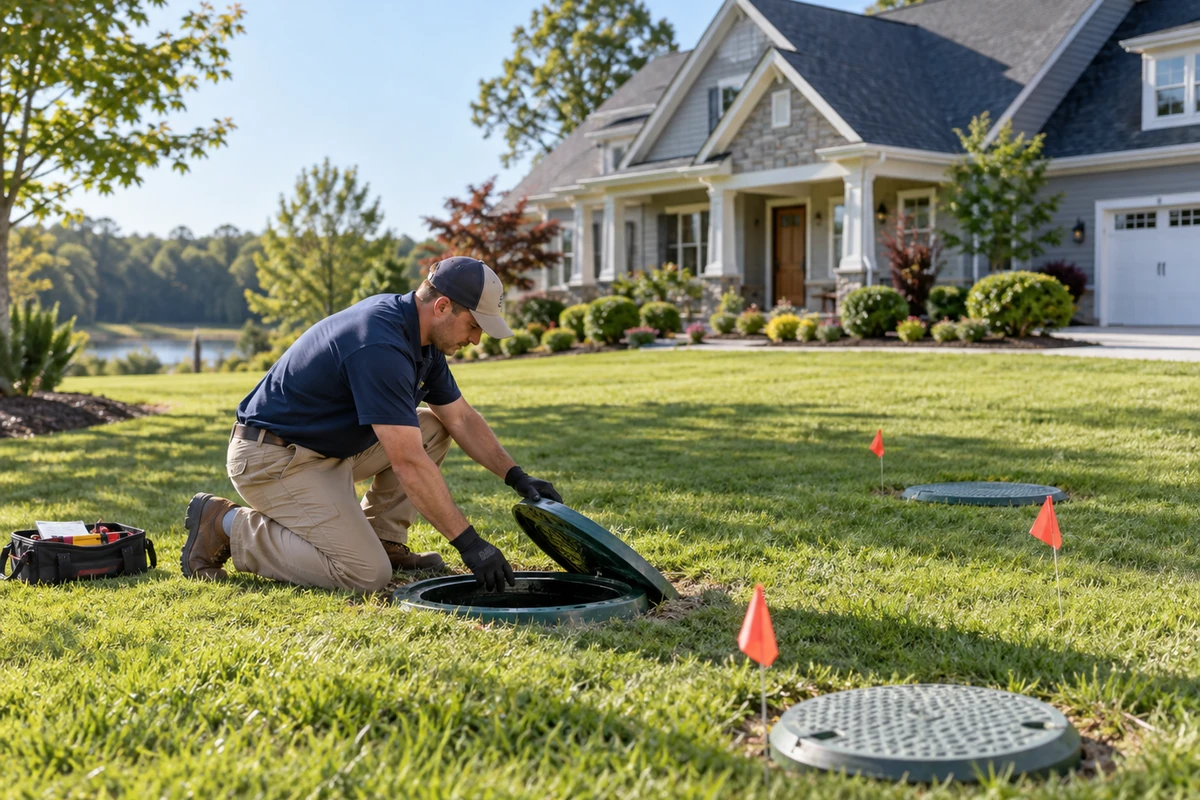
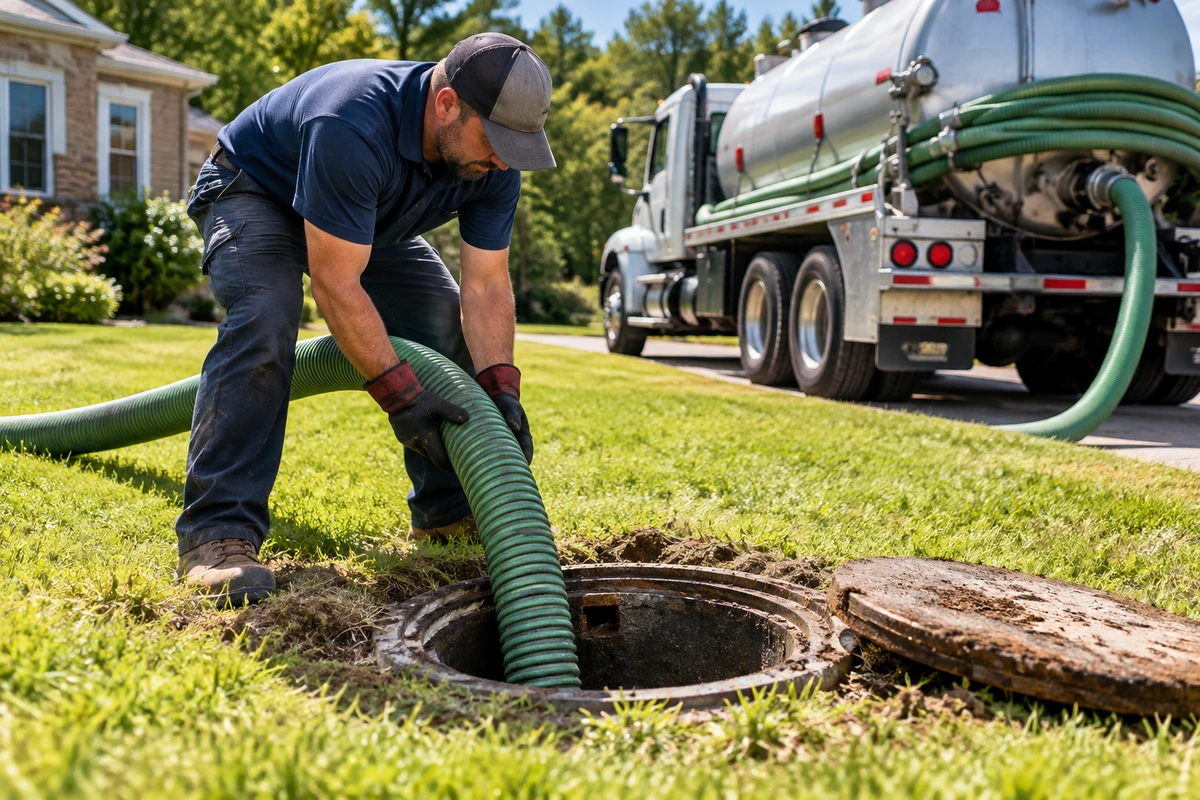
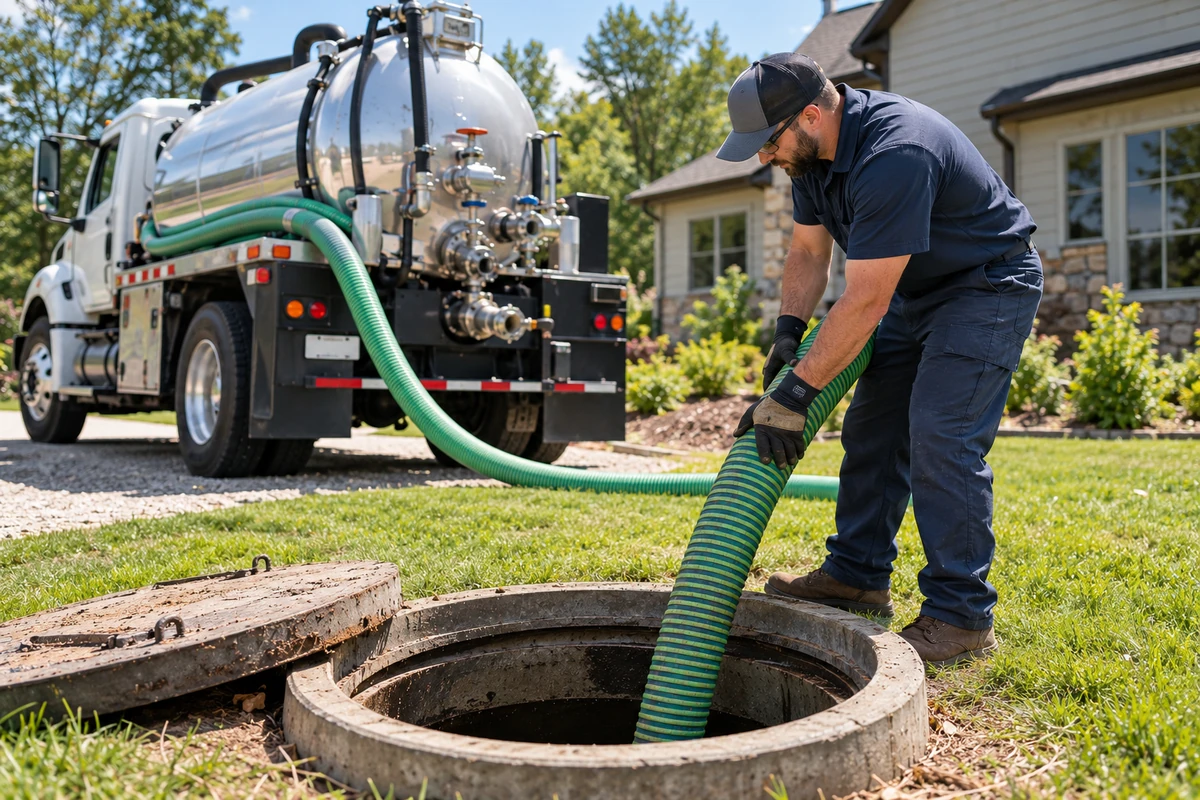
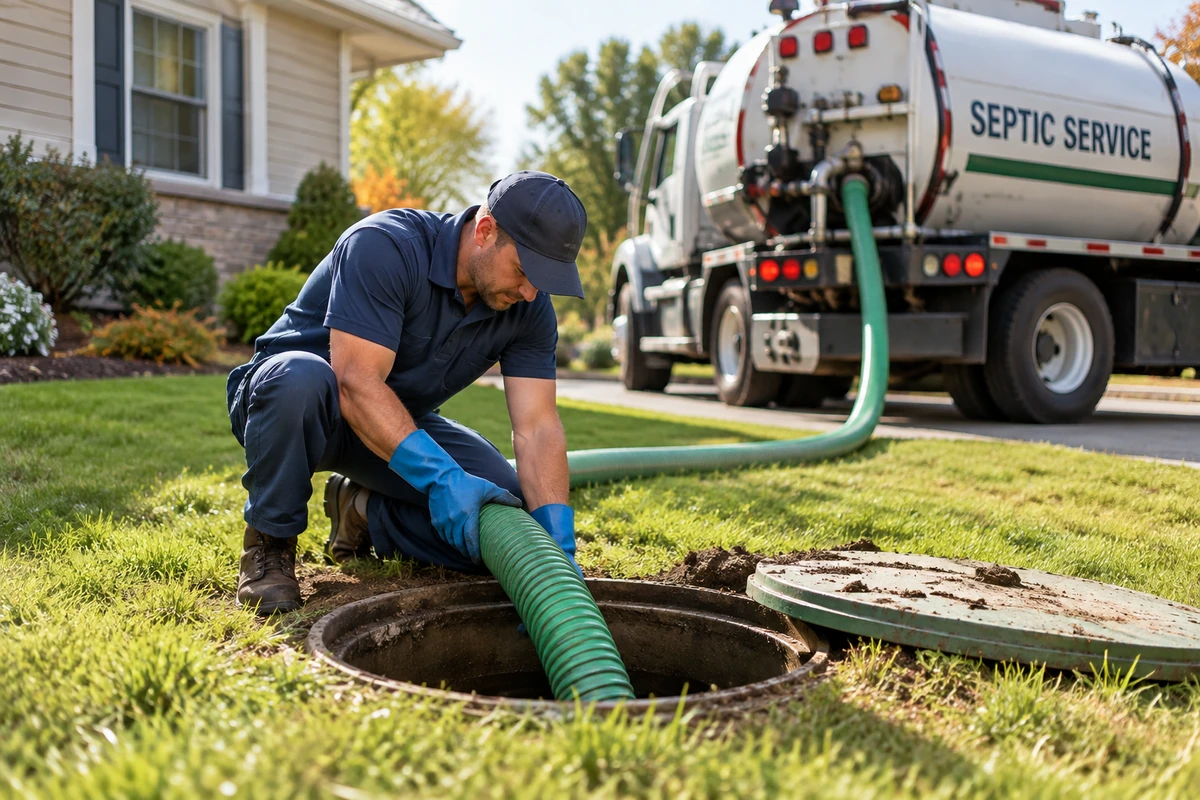
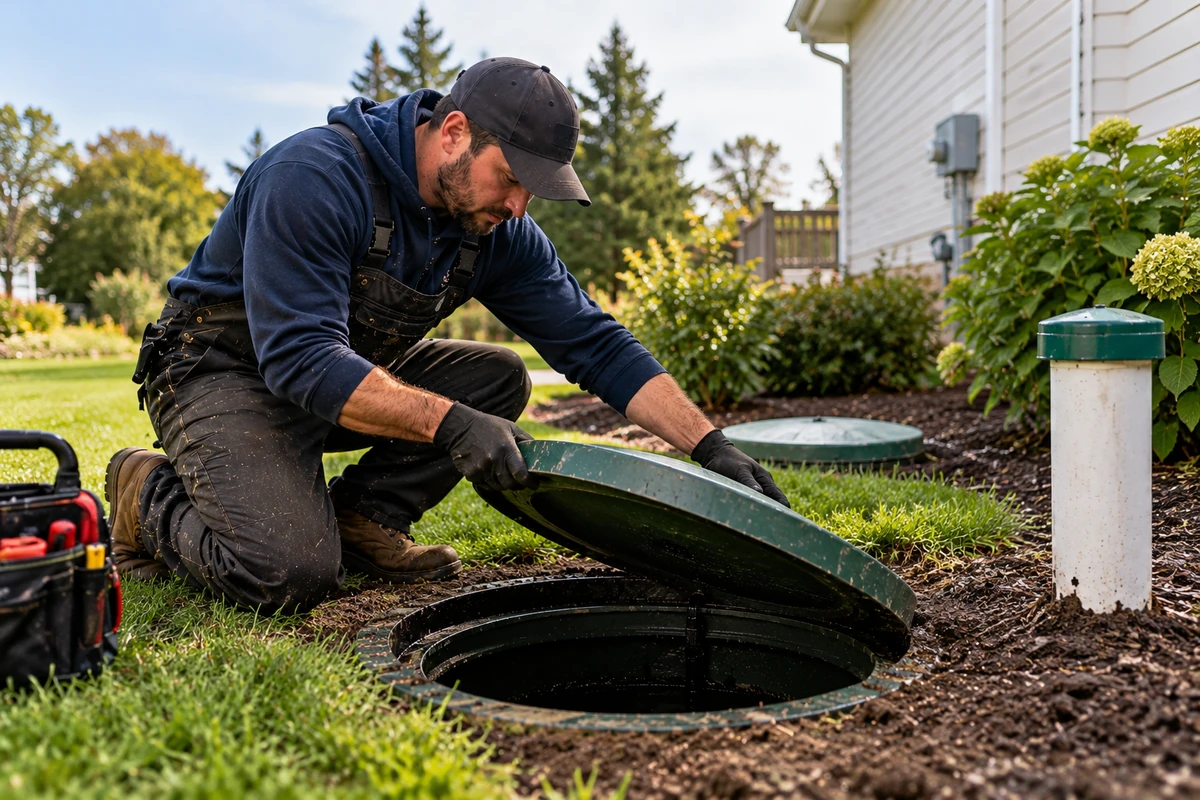
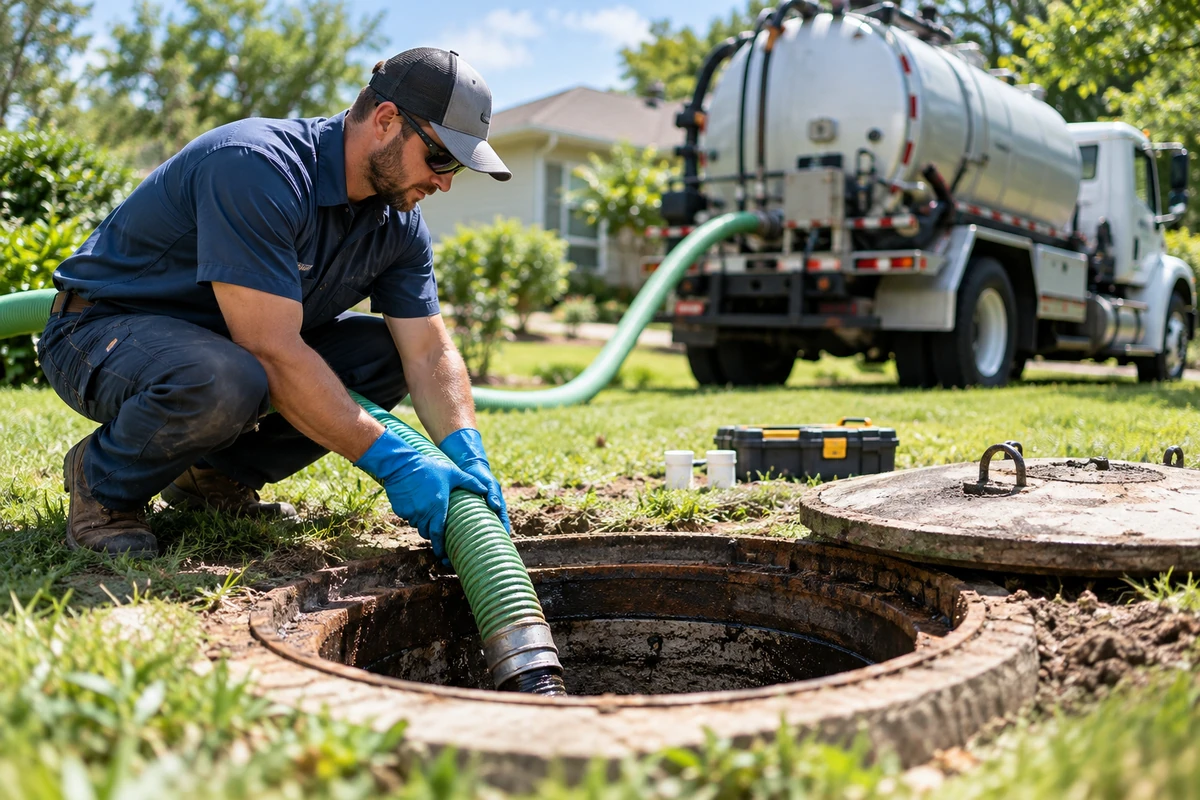
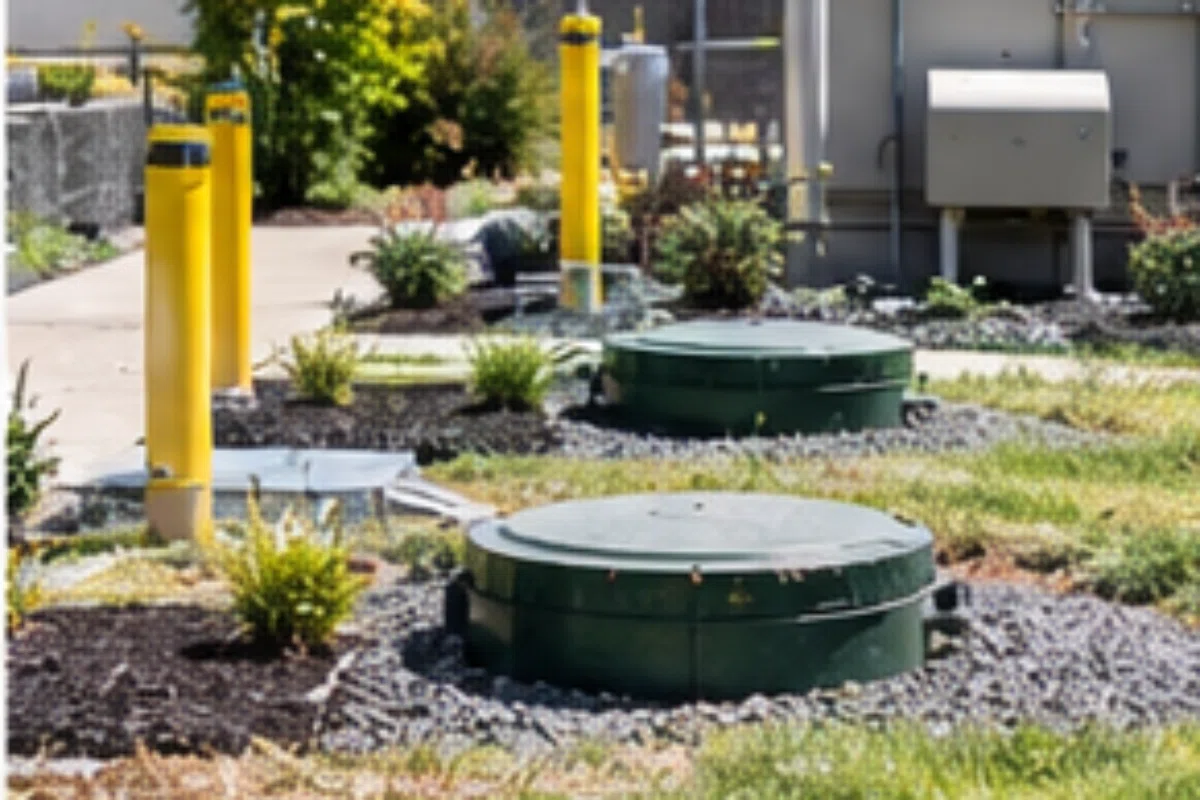
Many septic tanks have maintenance lids below the surface. Each pumping or inspection visit may require the opening to be found and excavated again. A suitable riser creates a defined access path from the tank opening toward grade, while the lid closes and secures that path between visits.
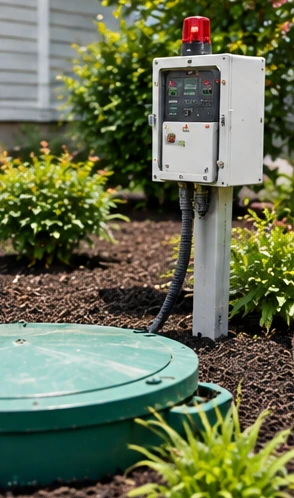
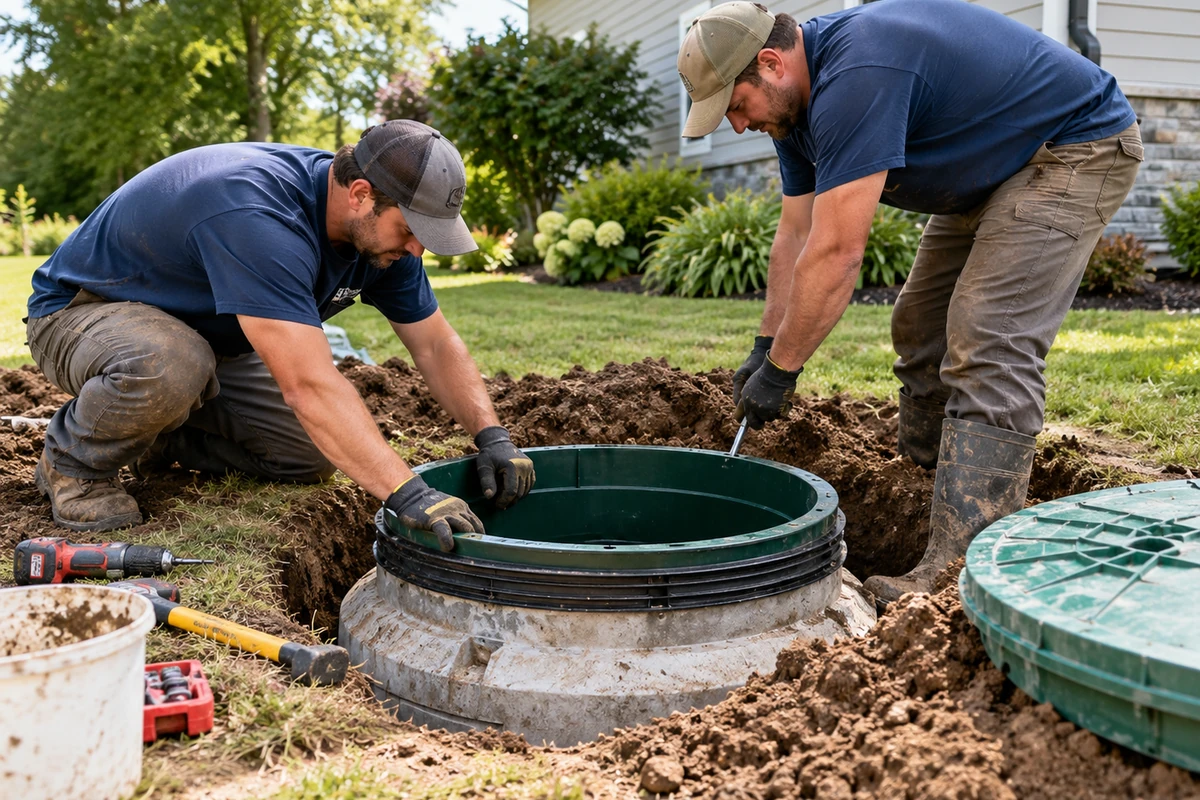
The assembly commonly includes an adapter or base connection, riser sections, compatible sealing material, fasteners or locking features, and a removable lid. Component selection depends on the tank material, opening shape and dimensions, burial depth, finished grade, exposure and expected site use. Mixing incompatible parts can produce poor fit, movement or water entry.
This service does not repair a cracked tank top, unstable structure, damaged inlet or outlet, blocked line or failed drainfield. It also does not make an ordinary lid safe for vehicle traffic. Structural concerns, active wastewater problems and traffic-loading needs require separate evaluation before a riser or replacement cover is installed.
When May You Need a Septic Riser or New Lid
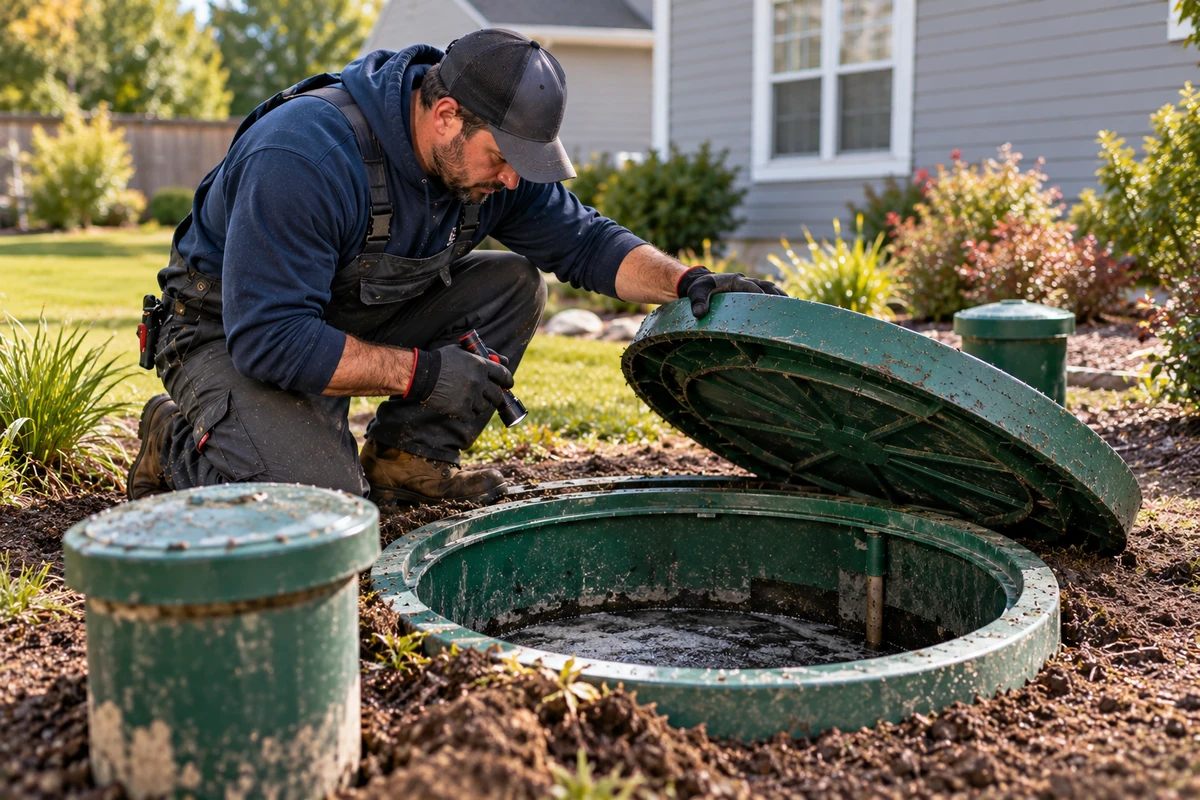
A riser or lid upgrade may be useful when the correct opening has already been located but remains difficult or unsafe to service. Common triggers include:
The tank must be excavated before every pumping or inspection visit.
The existing access is too deep for practical repeat maintenance.
A lid is cracked, loose, deteriorated, missing hardware or difficult to secure.
An older riser has shifted, separated from its adapter or no longer seals properly.
Surface water, soil or roots appear to enter around the access assembly.
The opening needs a clearer reference after landscaping or grade changes.
The current cover cannot be confirmed as compatible with the riser or tank opening.
A visible lid is not automatically a safe lid. Appearance does not confirm load rating, attachment or the condition of the tank beneath it. Settlement, odor or wet ground can also reflect a separate tank, line or drainfield problem. The opening and surrounding structure should be assessed before component work begins.
How We Handle Septic Riser and Lid Installation
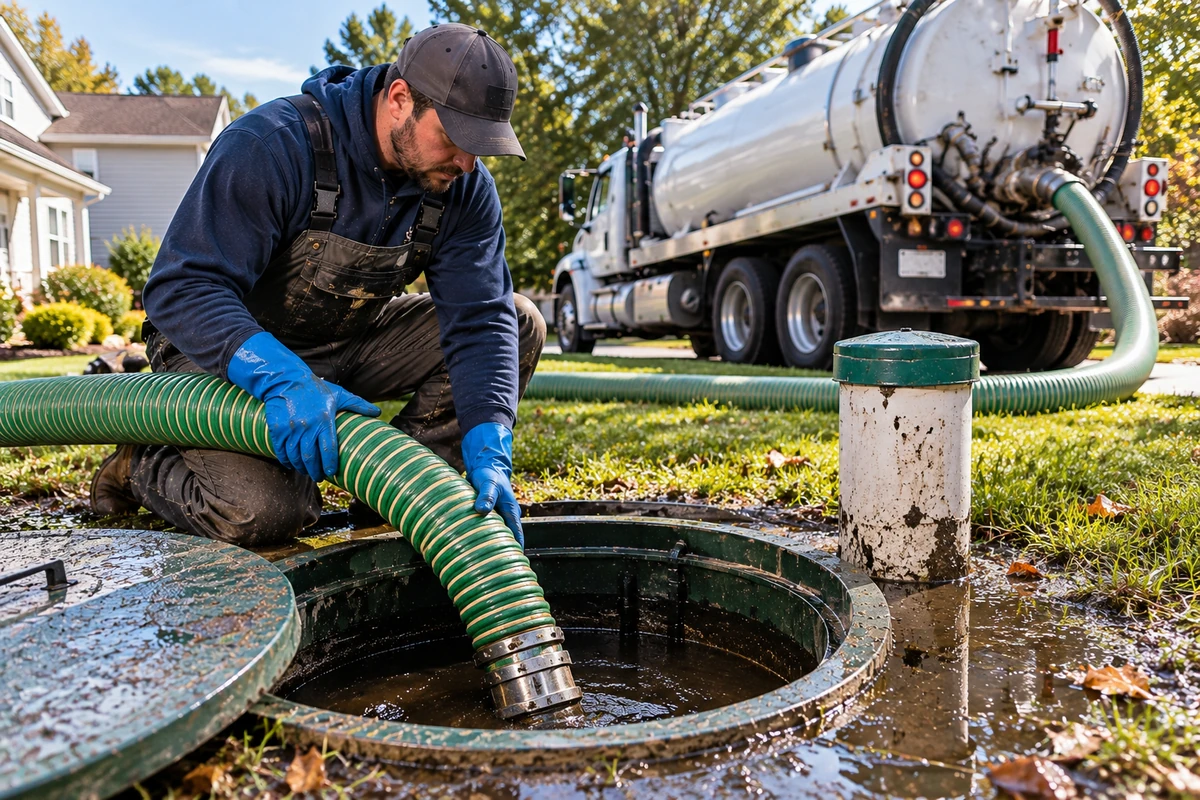
1 Locate and Expose the Correct Opening
We confirm the tank and maintenance opening rather than relying on a cleanout, inspection port or assumed location. The work area is opened enough to inspect the connection surface and surrounding condition.
2 Inspect the Condition
The tank material and observable condition are recorded. Cracked, unstable or unsuitable surfaces are identified before an assembly is selected.
3 Measure and Choose Compatible Components
The opening dimensions, burial depth and finished grade are measured. The adapter, riser height, diameter, seal, fasteners and lid are matched to the confirmed opening, product requirements and site exposure.
4 Install and Seal the Assembly
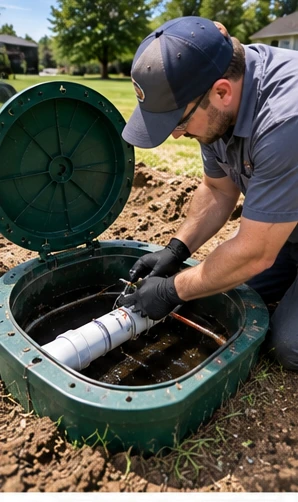
The adapter and riser are aligned and secured using the applicable compatible method. Seals are placed to limit unwanted soil and surface-water entry without obstructing safe tank access.
5 Secure the Lid and Restore Grade
The lid is fitted and secured against unauthorized opening. Final grade and nearby soil are addressed within the agreed scope so water is not intentionally directed toward the access point. The completed access is checked for fit, stability and serviceability, and useful component and location details are recorded.
Kentucky's onsite-system component standards address tank construction, maintenance manholes, covers, watertightness and approved components. The rule specifically requires suitable risers to grade and secured, watertight covers for dosing and holding tanks. Requirements for a conventional septic-tank access upgrade depend on the actual system and approved component use.
Installation that alters an onsite system may require regulatory review. Kentucky's onsite sewage disposal regulation addresses permits for construction, installation or alteration, while the Northern Kentucky Health Department describes repair-permit steps for Boone, Campbell, Grant and Kenton counties. The applicable requirement should be confirmed before work changes the system.
What Affects Septic Riser Installation Cost
Cost depends on tank location, lid depth, excavation, opening size, tank material, adapter design, riser diameter and height, sealing method, lid type, locking features, finished grade, travel and any added repair. A known shallow opening differs from a deeply buried or unstable access point. A Covington range should be published only when current provider quotes or completed jobs support it.
Related Septic Access Services
If the tank or correct lid has not been confirmed, begin with Septic Tank Locating Covington.
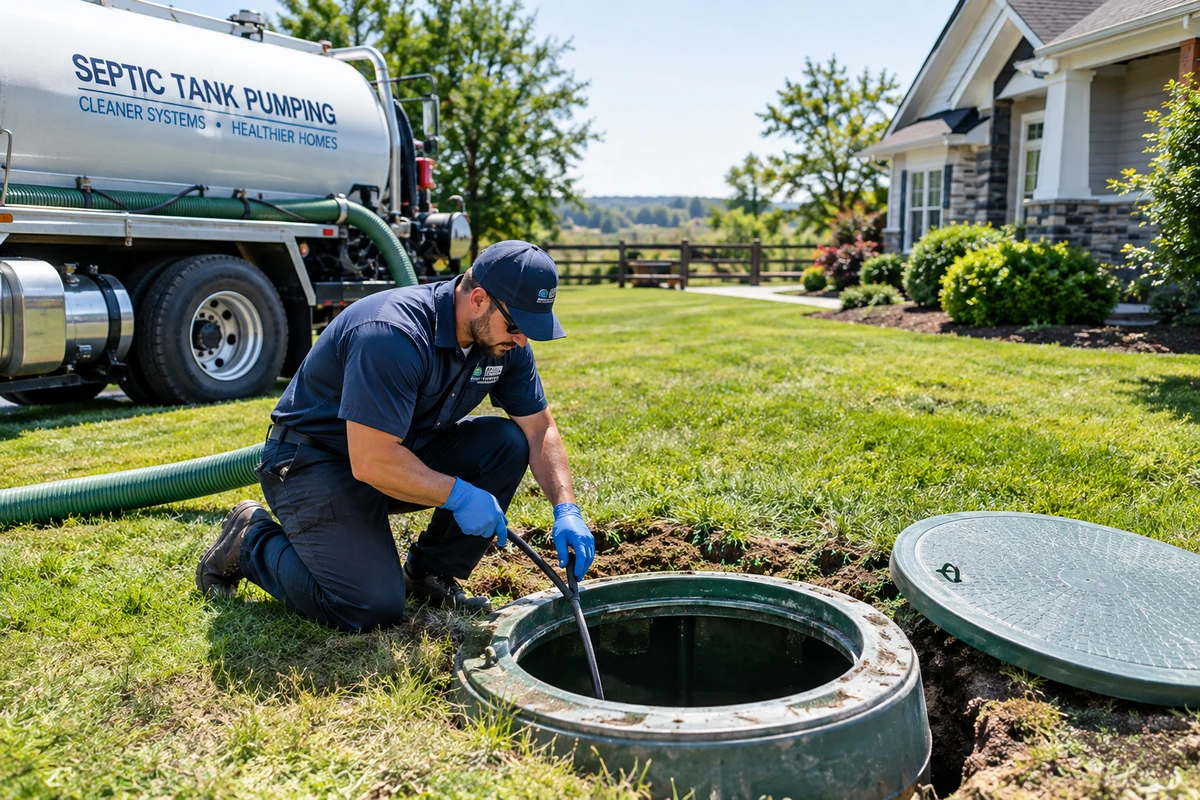
For the site's primary pumping topic, see Septic Tank Pumping Covington KY.
Review Areas We Serve Near Covington for location and coverage details.
Frequently Asked Questions
Does a septic riser have to remain visible?
The final height and treatment depend on access, product requirements, grade and local practice. It must remain safely serviceable and should not be hidden in a way that defeats access.
How much does septic riser & lid installation covington cost?
The cost of septic riser & lid installation covington depends on system size, access, depth, condition, travel, equipment, and any additional diagnosis or repair. Publish a local range only after it is supported by current provider quotes or completed jobs.
How does this page differ from Septic Tank Access & Component Service Covington?
This child page owns riser and lid installation intent.