




What Septic Alarm, Float and Control Repair Solves
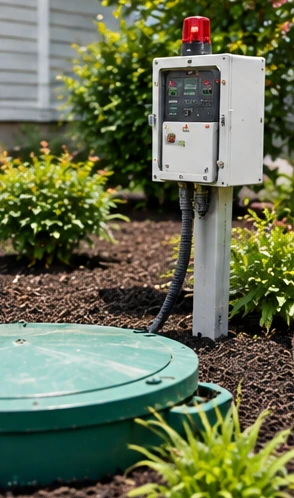
A pump or dosing system depends on controls that sense liquid level and operate the pump at the intended time. An operating float can start or stop the pump. A separate alarm float can trigger an audible or visible warning when wastewater rises too high. A timer, relay or control panel may coordinate dosing, record faults or separate pump and alarm circuits.
This service focuses on those control-side components. It may include diagnosis of a high-water alarm, testing accessible float response, checking the control sequence, examining qualified wiring connections and evaluating a timer or panel. It does not automatically include pump replacement, unrestricted electrical work, discharge-line repair, tank pumping or drainfield correction. The diagnosis must identify whether the fault belongs to the controls or another part of the system.
When You May Need Alarm, Float or Control Repair
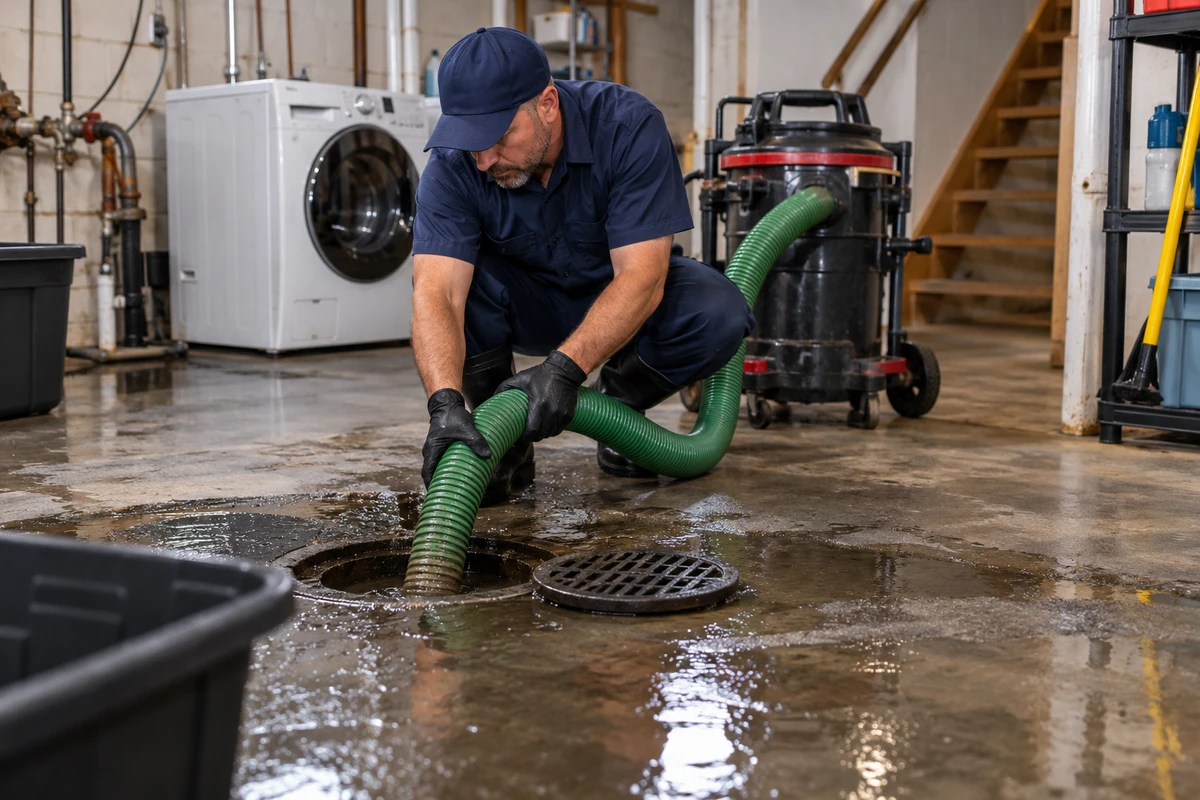
Control diagnosis may be appropriate when one or more of these conditions appear:
The high-water alarm sounds even though the pump appears to lower the liquid level.
The alarm light or buzzer does not operate during an appropriate test.
The warning returns after it is silenced according to the panel instructions.
The pump does not start or stop at the expected liquid level.
A float is tangled, obstructed, loose, damaged or positioned incorrectly.
A timer, relay or control panel displays a fault or produces an irregular cycle.
Accessible wiring, terminals or enclosures show corrosion, moisture or damage.
An alarm does not prove that the panel or float has failed. Power loss, excessive water use, a failed pump, a blocked discharge or a downstream restriction can also raise the liquid level. A silent warning can involve the alarm circuit while the pump circuit still operates. Reduce water use when high water is suspected. Do not enter the chamber, touch wet electrical parts or bypass the alarm or controls.
How We Handle Septic Alarm and Control Repair
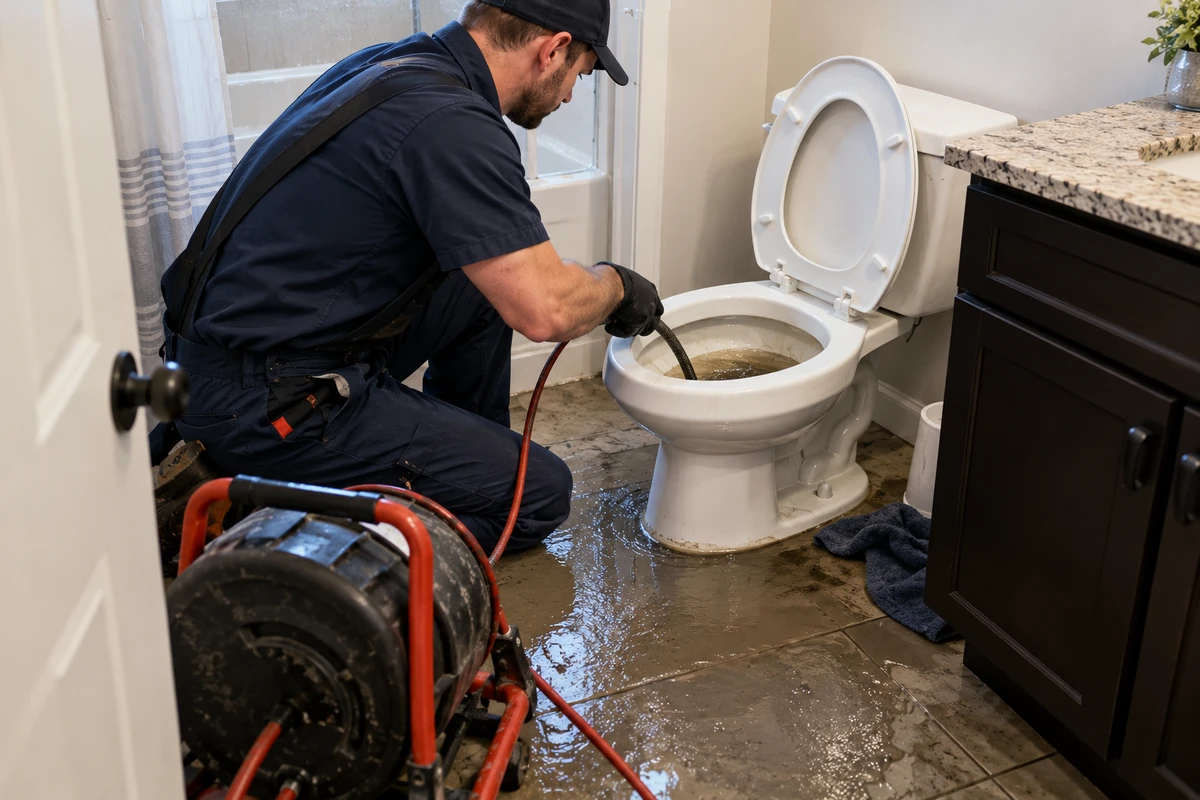
1 Review the Alarm Condition
We identify the active warning, reported pump behavior, water-use pattern and available system records. Panel labels and manufacturer information help establish the expected control sequence.
2 Inspect Safe Power and Panel Status
Appropriately qualified personnel inspect accessible power protection, panel indicators, enclosure condition and visible connections. Qualified electrical test equipment, hand tools and safety equipment are selected for the confirmed scope.
3 Test Floats and the Control Sequence
The operating float, alarm float, timer, relays and related control response are tested as the system permits. The diagnosis separates a control fault from pump, power, inflow or downstream problems.
4 Repair or Replace Compatible Parts
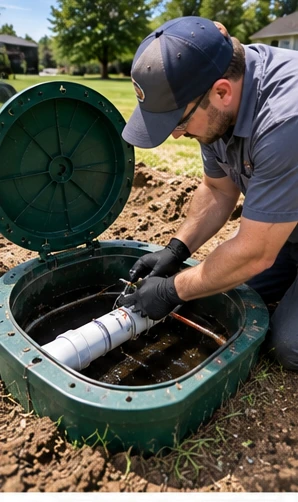
A damaged float, alarm, timer or control component is adjusted, repaired or replaced only when compatible with the approved system and manufacturer requirements. Wiring work remains within applicable qualifications and permits.
5 Verify Alarms and Document the Result
The alarm response and accessible control sequence are checked after the agreed work. The service record identifies findings, component details, completed work and any separate pump, line or drainfield concern.
Kentucky's onsite-system component standards address automatic pump controls and high-water alarms for dosing and holding tanks. Approved components and the actual permitted design should guide repair or replacement. The Northern Kentucky Health Department provides septic oversight in Boone, Campbell, Grant and Kenton counties and describes repair-permit steps. Qualifications and permit needs depend on the system and work performed.
What Affects Septic Alarm and Control Repair Cost
Cost depends on system type, access, tank depth, liquid level, diagnosis time, panel design, number of floats, timer or relay configuration, wiring condition, replacement components, pumping needs and travel. A loose accessible float differs from a damaged panel or intermittent electrical fault. No Northern Kentucky range should be published until current provider quotes or completed jobs support it.
Related Pump and Alarm Services
For complete pump, alarm and control diagnosis, see Septic Pump & Alarm Service Northern Kentucky.
When evidence points to the pump itself, see Septic Effluent Pump Repair Northern Kentucky.
For the site's primary pumping topic, see Septic Tank Pumping Covington KY.
Covington and Kenton County are the location focus. Addresses in South Covington, Independence, Taylor Mill, Ryland Heights, Morning View, Piner, Kenton, Walton, Burlington, Union, Alexandria, Crittenden, Williamstown and Falmouth require coverage confirmation rather than an assumption based on proximity.
Review Areas We Serve Near Covington for the location directory and applicable coverage details.
Frequently Asked Questions
Can I reset a septic alarm myself?
You may silence an audible alarm using the manufacturer's instructions, but do not bypass the alarm or controls. If the warning returns or the liquid level is high, reduce water use and have the system diagnosed by appropriately qualified personnel.
How much does septic alarm, float & control repair northern kentucky cost?
The cost of septic alarm, float & control repair northern kentucky depends on system size, access, depth, condition, travel, equipment, and any additional diagnosis or repair. Publish a local range only after it is supported by current provider quotes or completed jobs.
How does this page differ from Septic Pump & Alarm Service Northern Kentucky?
This page targets controls and alarms, while the sibling page owns the pump itself.