
What Septic Backup Emergency Service Solves
This service focuses on wastewater entering the building through plumbing fixtures. The first goal is to stop additional flow and determine whether the restriction is inside the plumbing, in the building sewer, at the tank inlet or outlet, or farther downstream in the septic system.
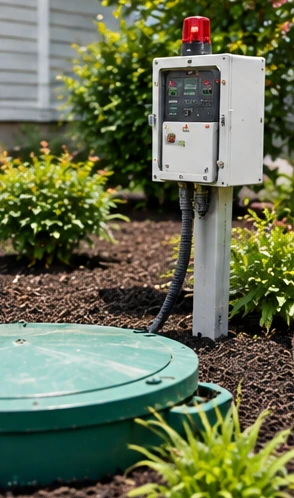
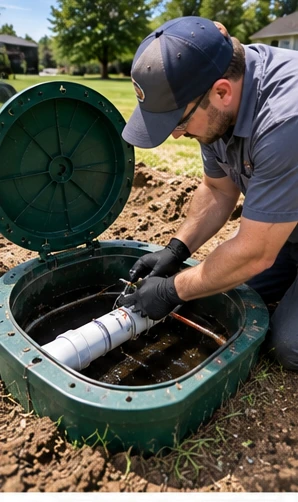
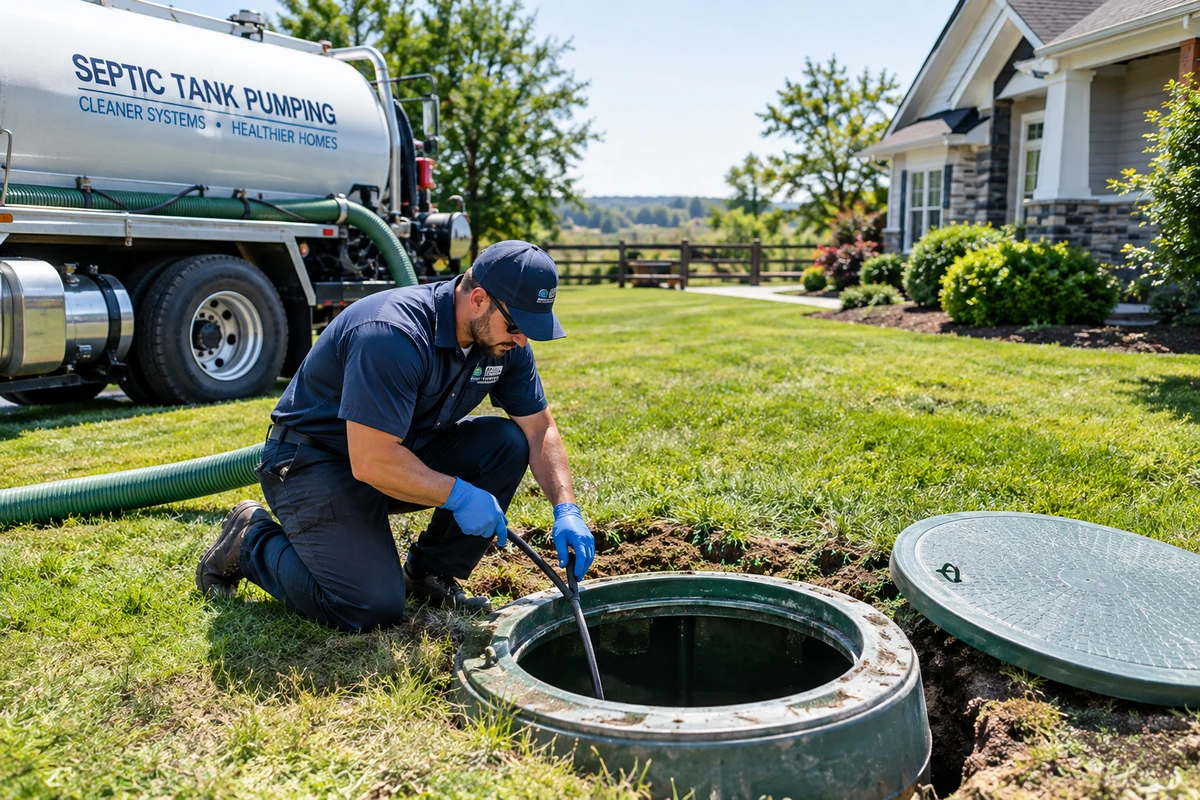
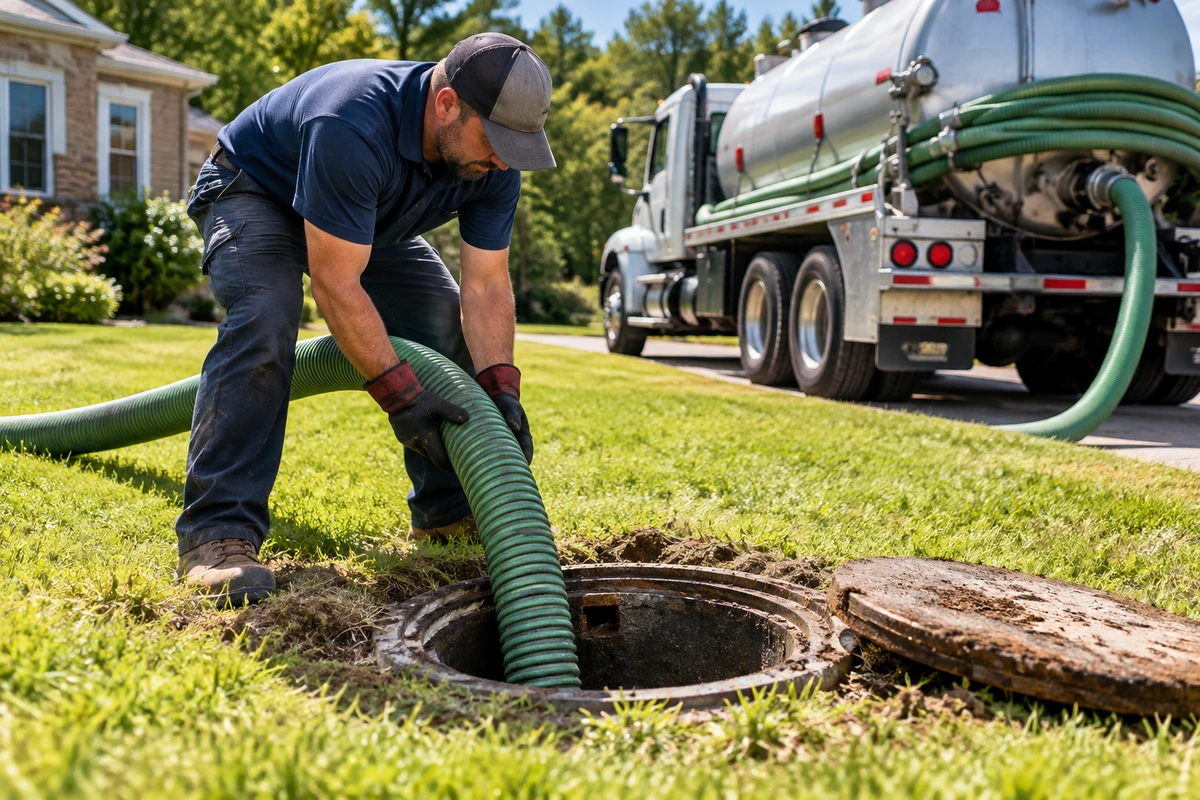
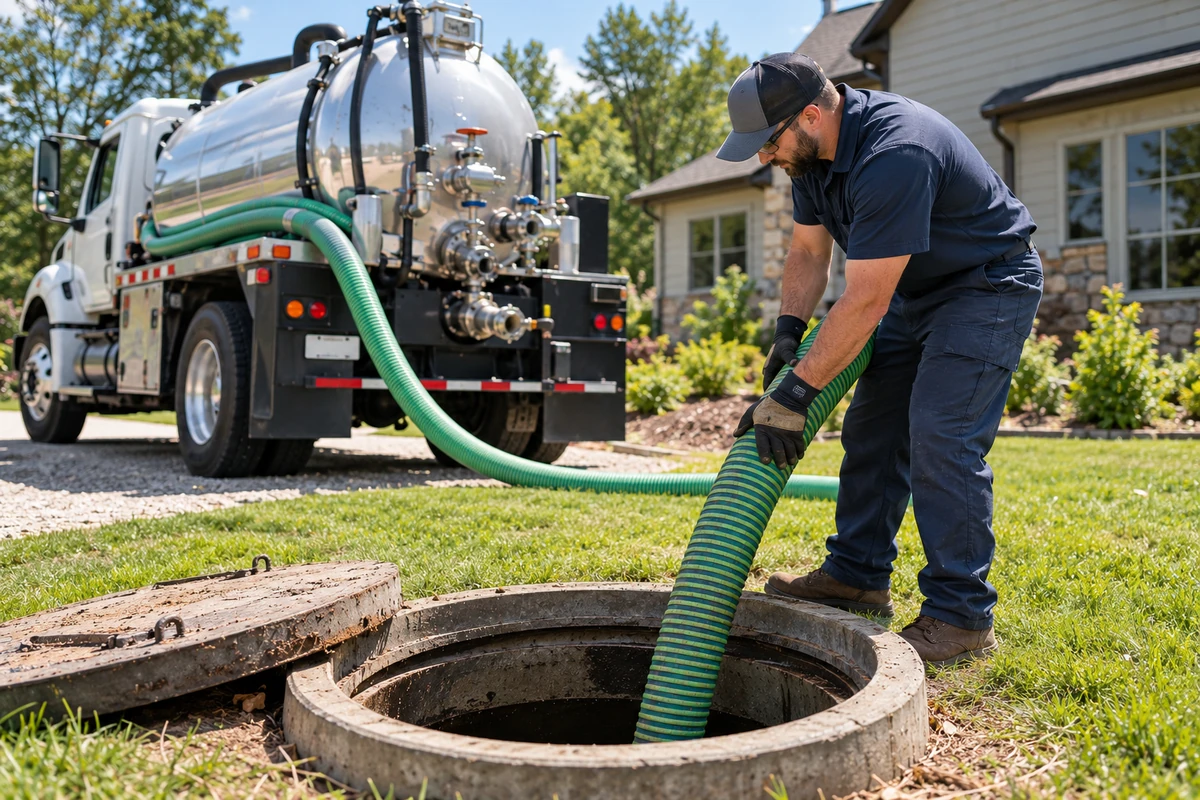
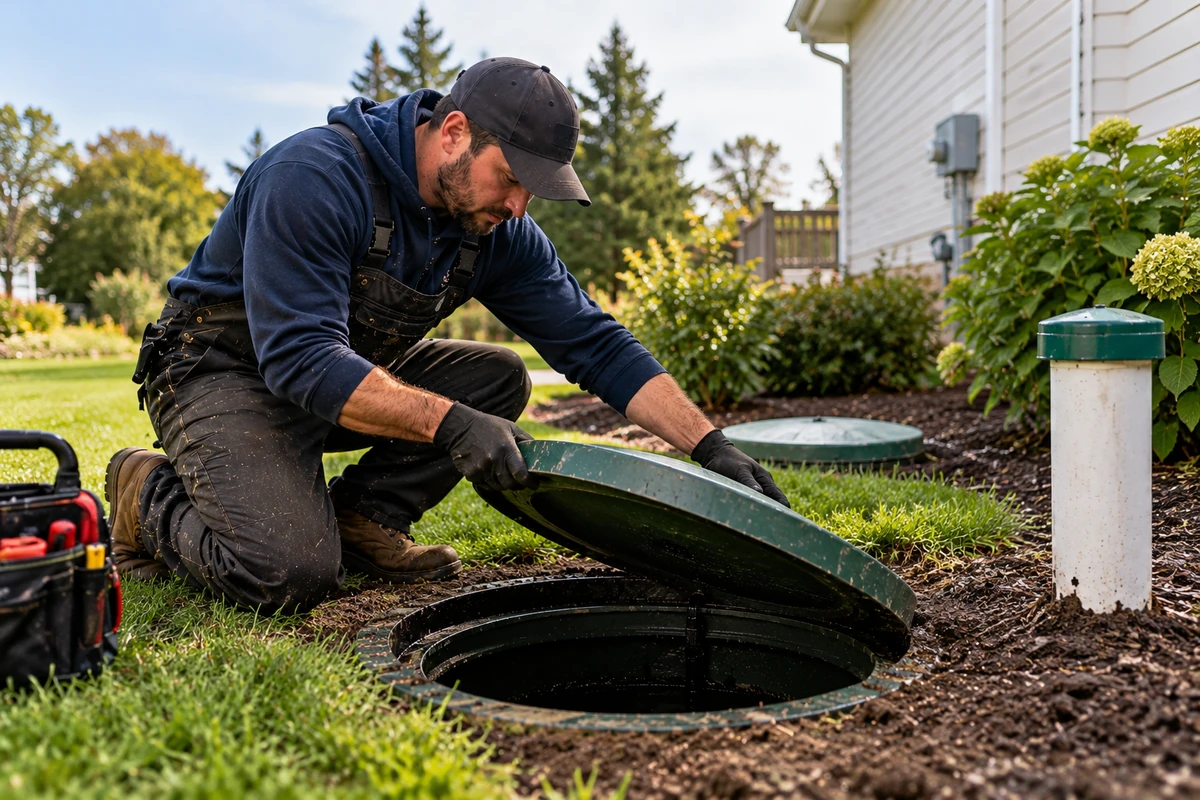
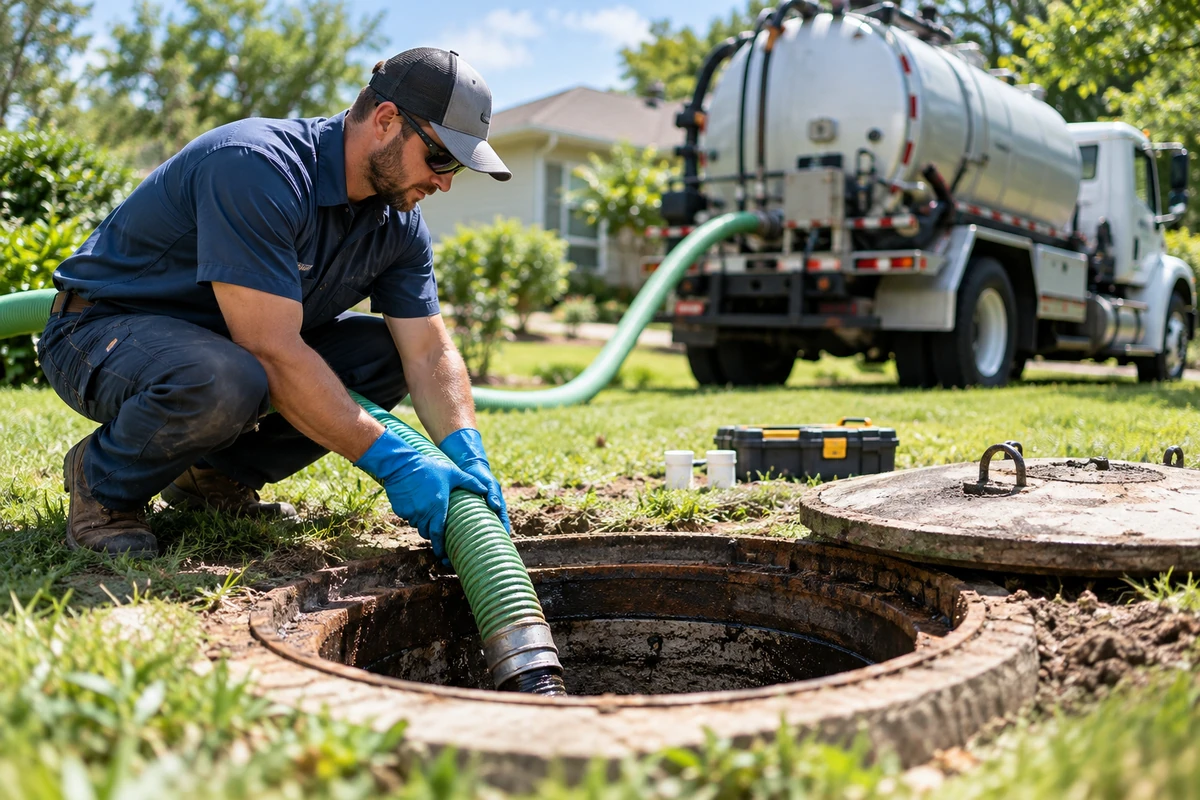
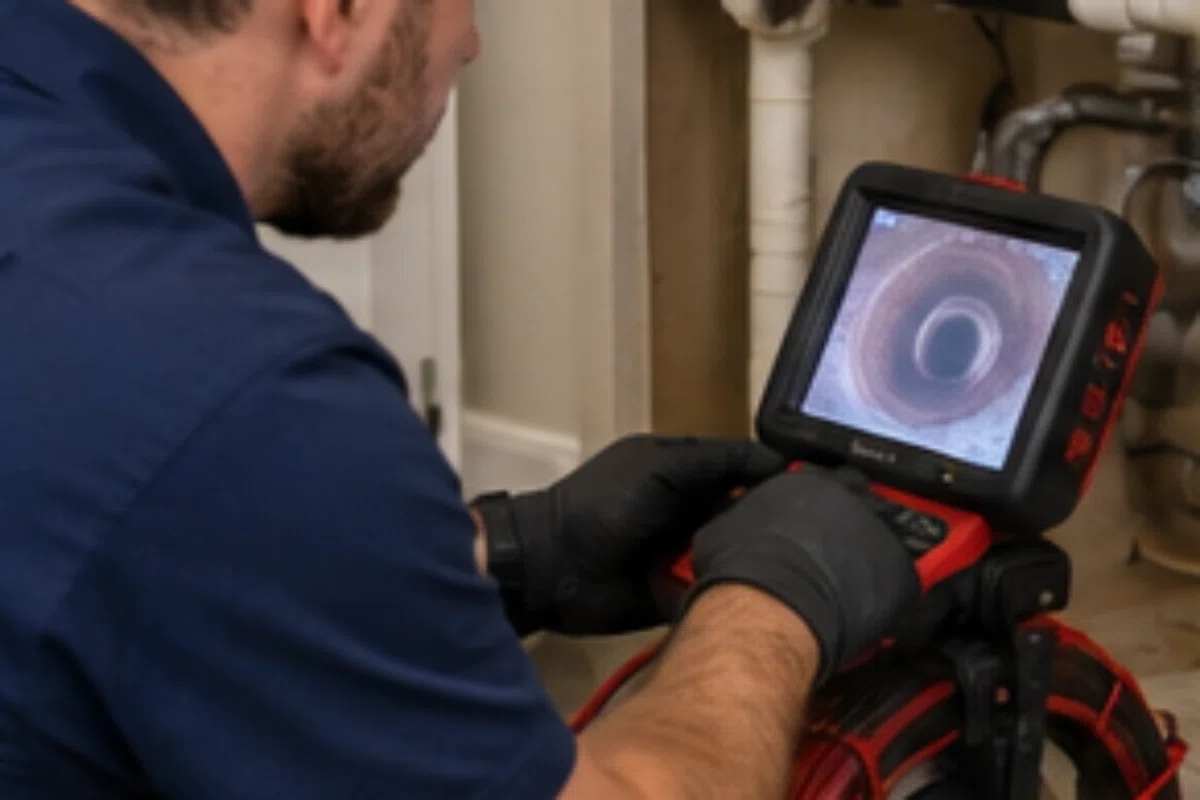
When conditions allow, work may include checking accessible fixtures and cleanouts, opening the septic tank, evaluating the liquid level, inspecting the inlet and outlet, checking an effluent filter or pump chamber and pumping when appropriate.
A backup is a symptom, not a complete diagnosis. Pumping may relieve a full tank, but it will not permanently correct a crushed inlet pipe, root blockage, failed pump, damaged float, blocked distribution component or saturated drainfield. The service record should distinguish immediate relief from any follow-up work.
What Should You Do When Sewage Backs Up Indoors?
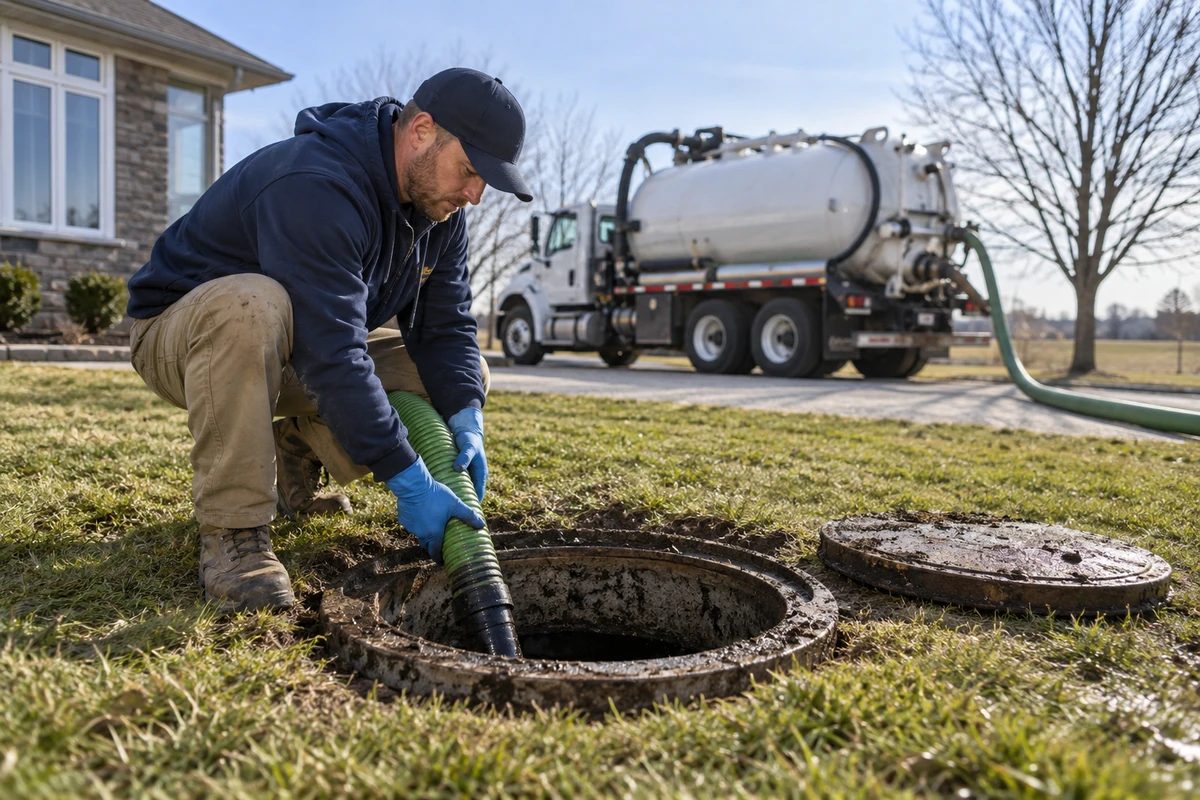
Stop using water immediately. Do not flush toilets, run laundry, use the dishwasher or take showers. Keep people and pets away from the affected room, avoid touching sewage and stay clear of electrical equipment exposed to water. Never enter the septic tank or lean over an open access point.
The EPA guidance on septic system malfunctions says sewage backing up through plumbing may contain harmful pathogens and direct contact should be avoided. Electrical hazards, extensive indoor contamination or an immediate threat to health require the appropriate utility, cleanup or emergency authority in addition to septic service.
Close off the affected area and move belongings away only when this can be done safely.
Note which fixture backed up first and whether several drains are affected.
Record recent rain, laundry, guests, running toilets, alarms and the last pumping date.
Do not add chemical drain opener, septic additive or large amounts of disinfectant to the system.
When May the Backup Involve the Septic System?
Several slow or backed-up fixtures often indicate a restriction beyond one fixture. A single sink or toilet may have a local plumbing clog, while a lower-level tub or floor drain that backs up when other fixtures run can point to the main line or onsite system. Inspection is still required before assigning the cause.
Multiple toilets, tubs or drains gurgle or drain slowly at the same time.
Wastewater appears at the lowest fixture when an upstairs fixture or washer drains.
The tank is at an abnormal level or wastewater is standing above the inlet.
A pump or high-water alarm is active and indoor drainage has slowed.
Wet, spongy or sewage-smelling ground appears near the tank or drainfield.
The problem returns soon after an ordinary fixture clog was cleared.
How We Handle an Indoor Septic Backup
1. Triage Water Use and Safety
We identify where wastewater is appearing, whether people have been exposed, whether electrical equipment is affected and which fixtures or appliances were operating when the backup began.
2. Separate Plumbing From Septic Causes
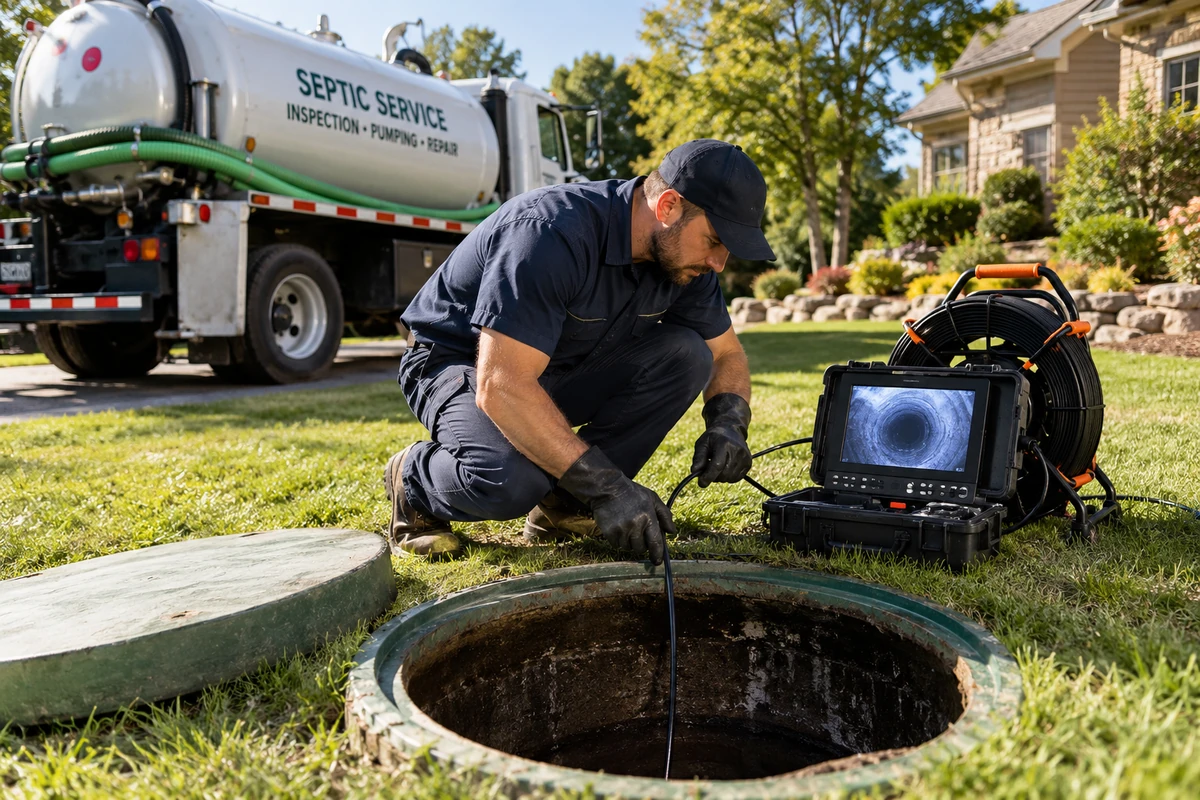
The pattern of affected fixtures, accessible cleanouts, tank level and visible inlet flow help determine whether the restriction is local plumbing, the building sewer or the onsite system.
3. Access and Pump When Appropriate
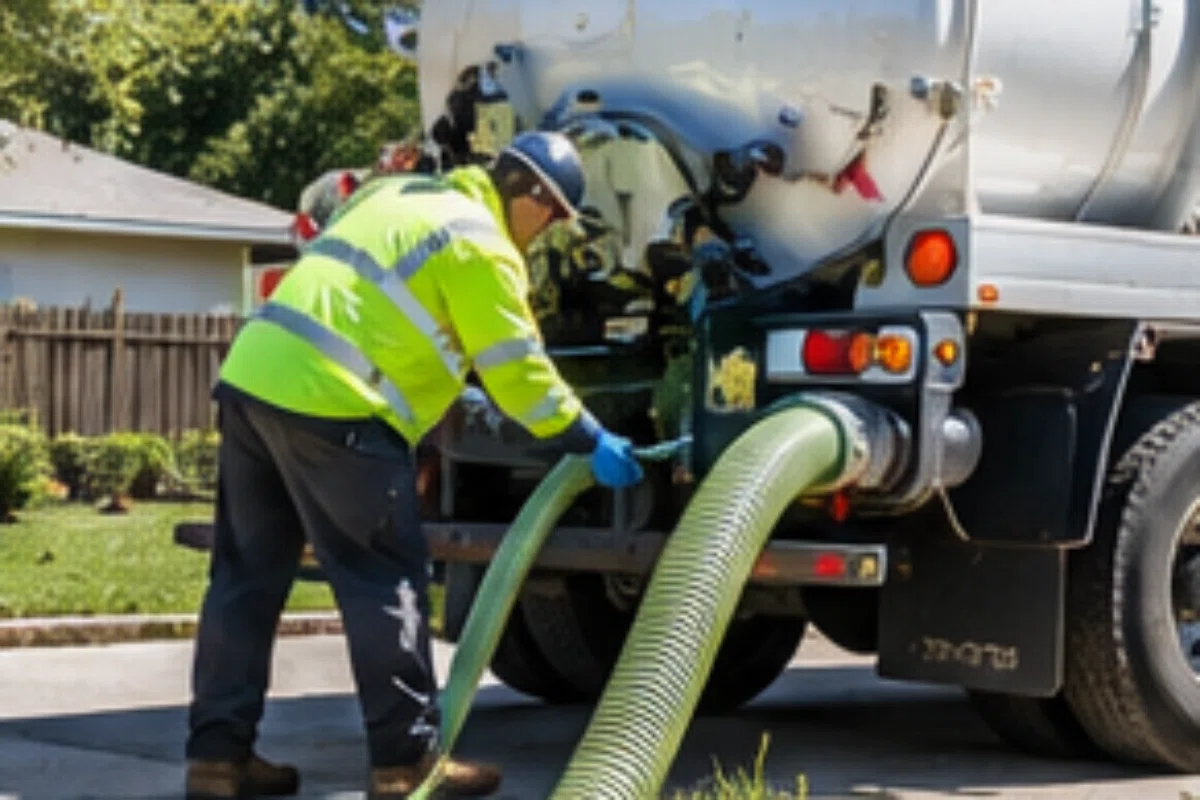
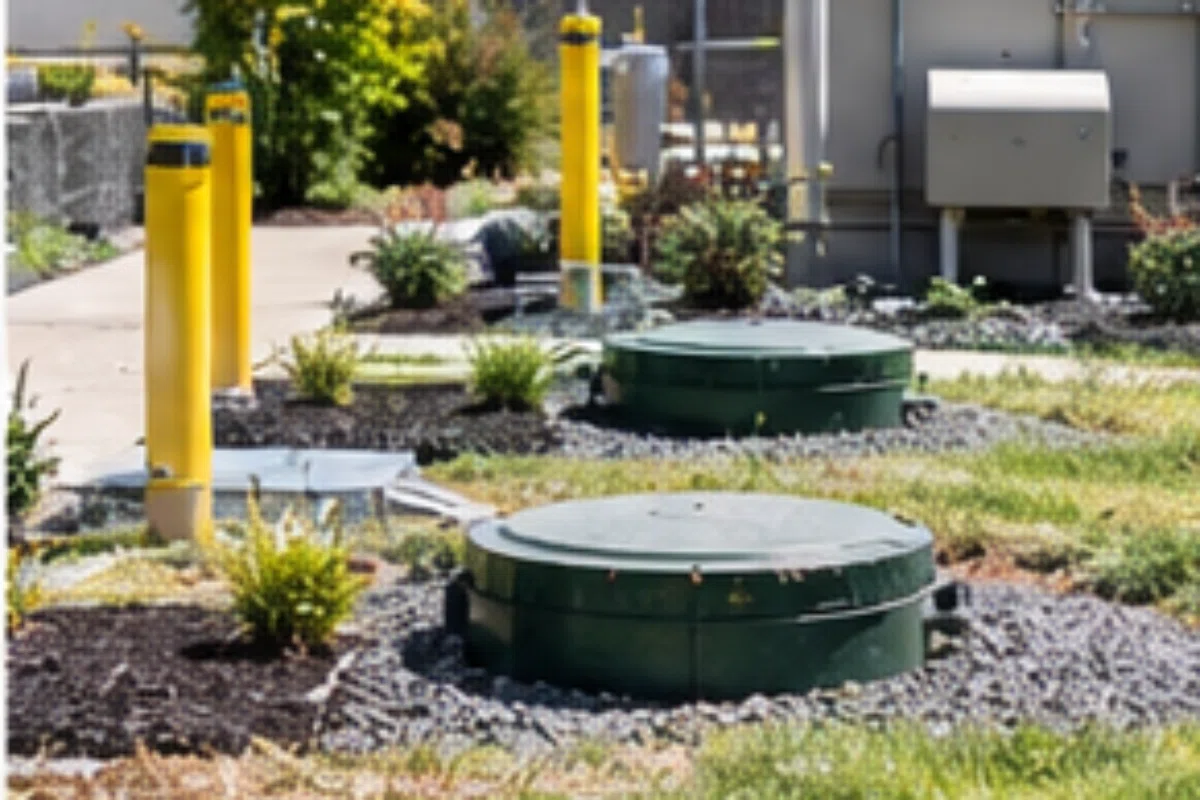
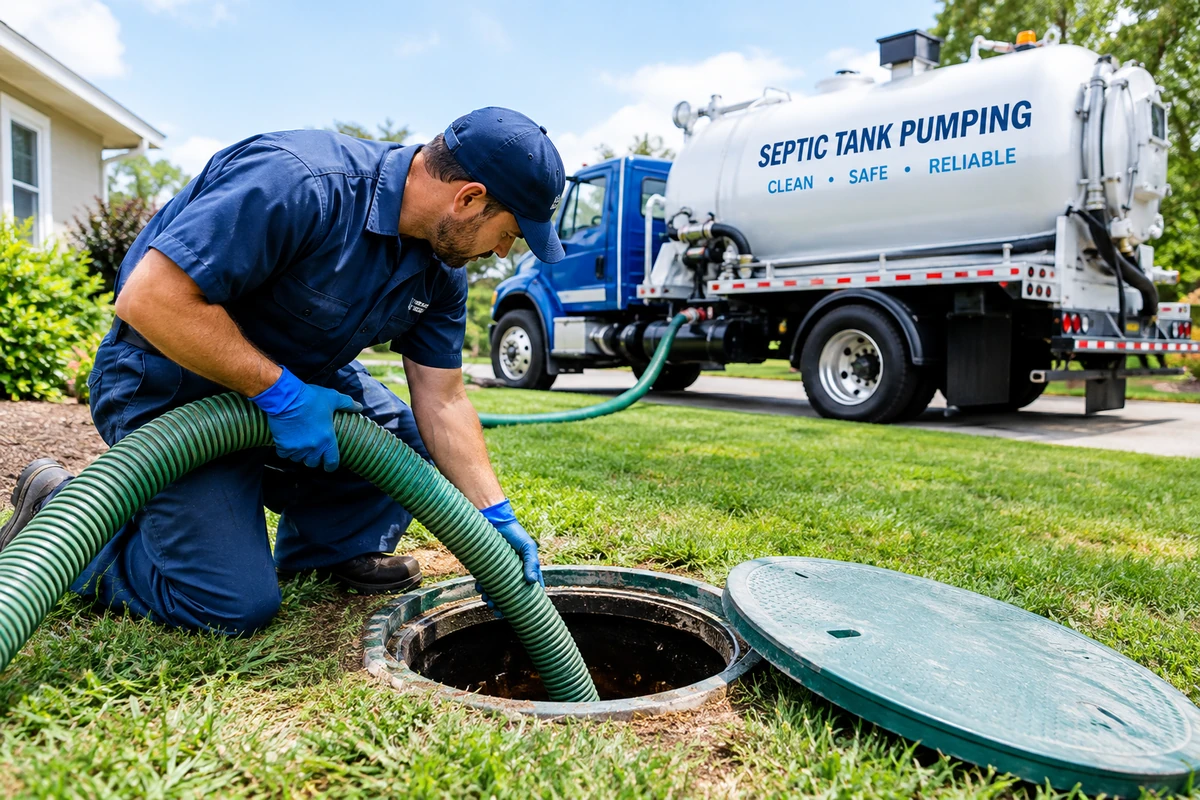
The tank is located and opened only when access is safe. Liquid level, sludge, scum and visible components are checked. Pumping may provide relief and access for diagnosis when tank conditions support it.
4. Identify the Likely Failure Point
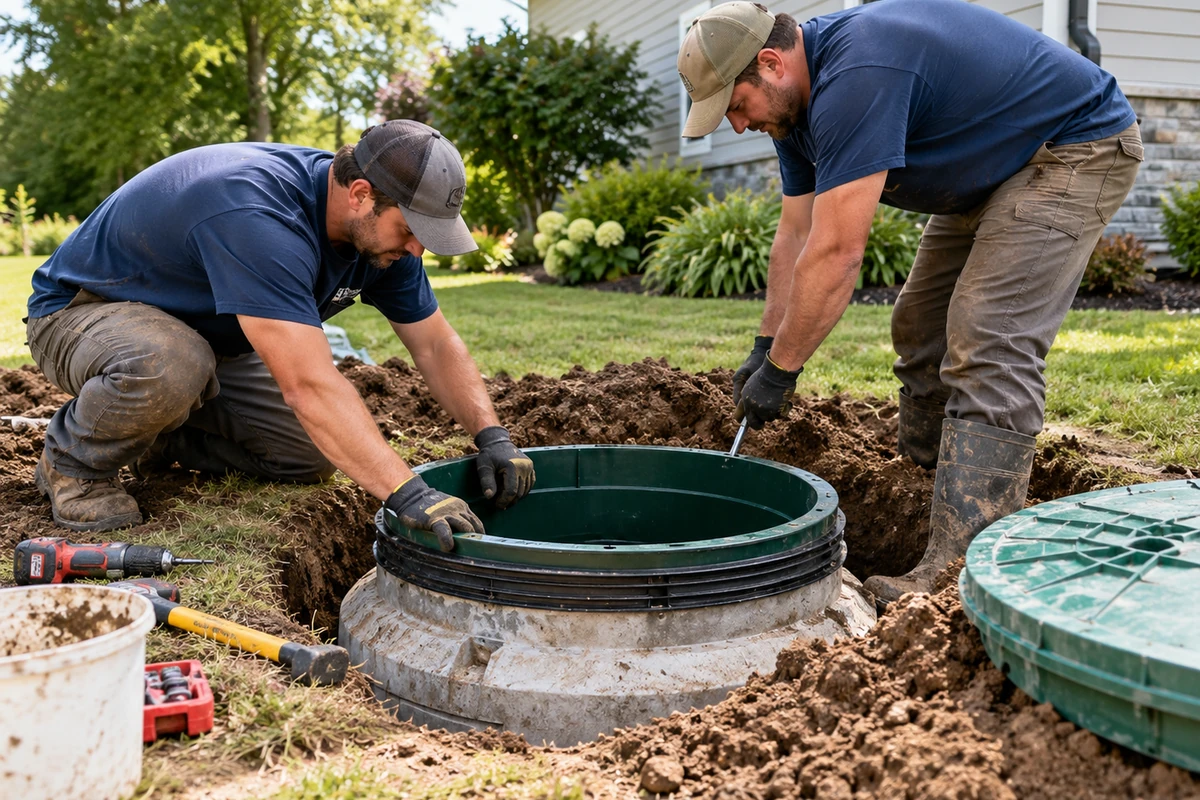
The inlet, outlet, effluent filter, pump chamber, alarm and surrounding ground are checked as applicable. A line obstruction, damaged component or drainfield condition may require separate service.
5. Verify and Document the Next Step
After the agreed work, accessible flow and system response are checked. Documentation should identify the observed condition, work completed and any recommended repair or evaluation.
What Affects Septic Backup Emergency Cost?
Cost depends on the backup location, tank size, access depth, lid location, hose distance, pumping volume, travel, timing, diagnostic work and any line, pump, alarm or component service. Buried access, unknown tank location, multiple tanks, heavy solids, flooding or difficult vehicle access can change the work. A local range should appear only when supported by current provider pricing or completed Northern Kentucky jobs.
Related Emergency Septic Services
For broader urgent conditions, see Emergency Septic Service Covington.
For wastewater surfacing at the tank or nearby ground, see Overflowing Septic Tank Service Covington.
Routine tank emptying is covered under Septic Tank Pumping Covington KY.
Review Areas We Serve Near Covington for the planned Covington and Northern Kentucky coverage area.
Frequently Asked Questions
Should I use drain cleaner during a septic backup?
No. Stop water use and avoid adding chemical drain opener. The backup source should be identified before cleaning or pumping is chosen.
How much does septic backup emergency covington cost?
The cost of septic backup emergency covington depends on system size, access, depth, condition, travel, equipment, and any additional diagnosis or repair. Publish a local range only after it is supported by current provider quotes or completed jobs.
How does this page differ from Emergency Septic Service Covington?
This child page targets indoor backup emergencies; the parent page covers all urgent septic conditions.