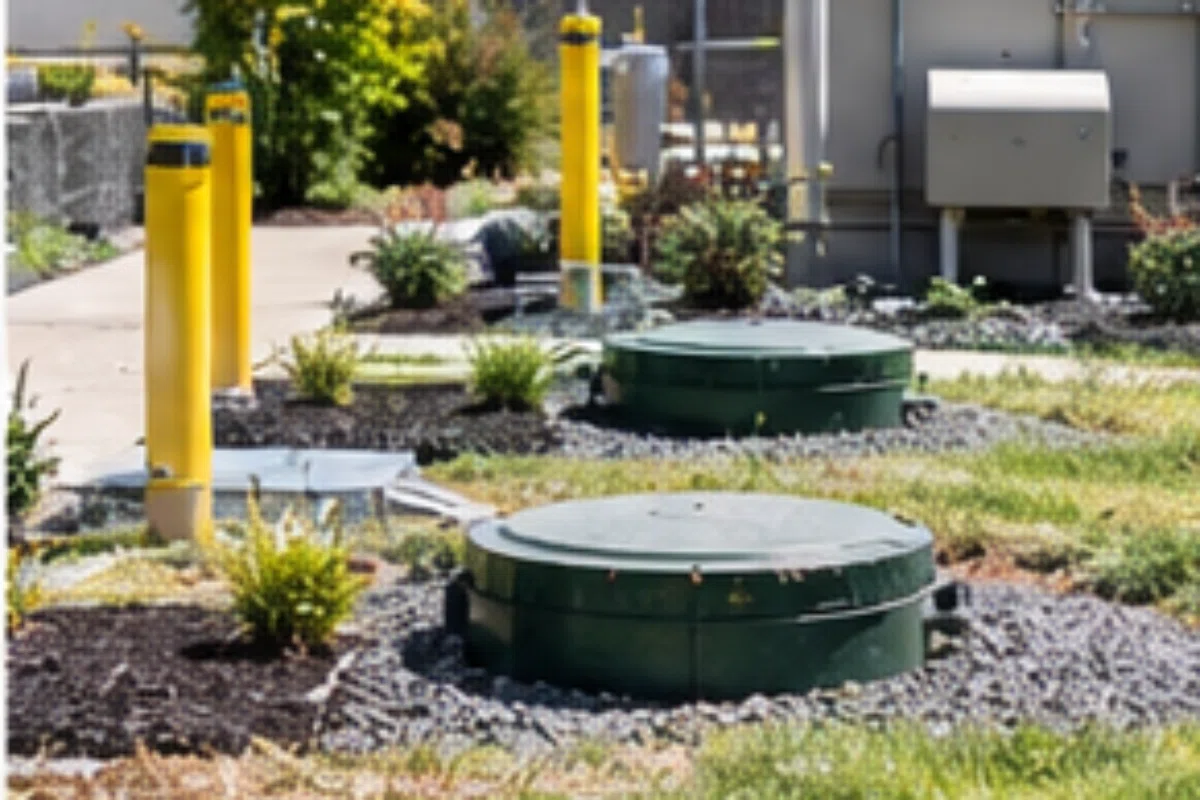
What Septic Tank Access and Component Service Covers
A septic tank must be reached safely for pumping, inspection, filter service and many repairs. Access work can begin with an as-built record, permit drawing, prior pumping receipt or property sketch. Surface clues may help establish the route from the building sewer to the tank. Careful probing, an electronic locator, a camera or transmitter may narrow the search when those methods are suitable and offered. Physical exposure is still the final confirmation of an access lid.
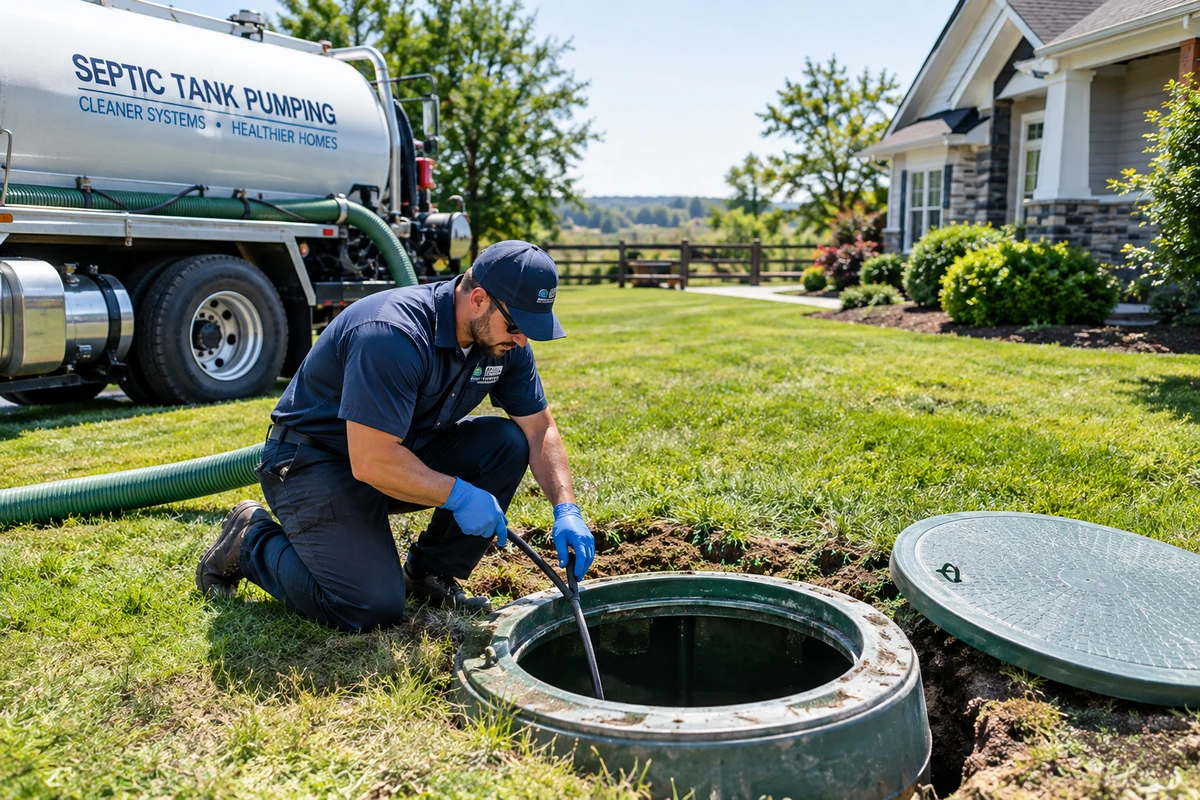
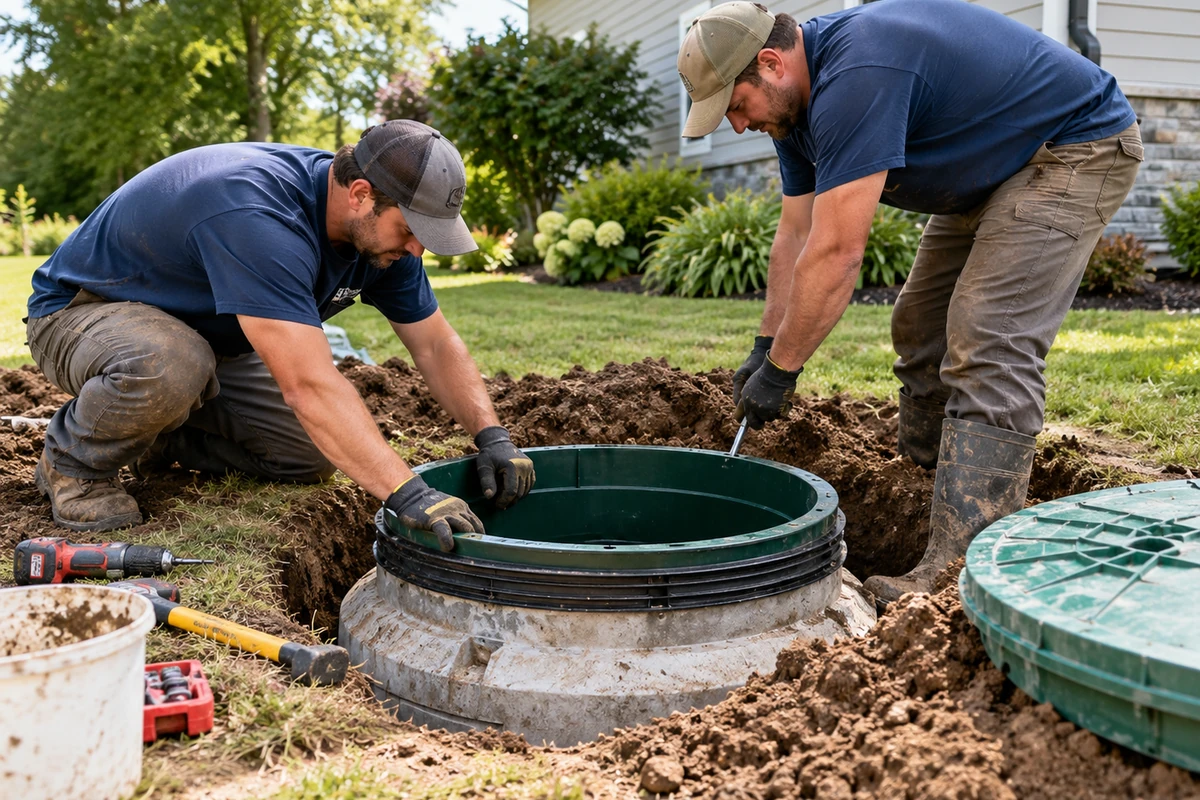
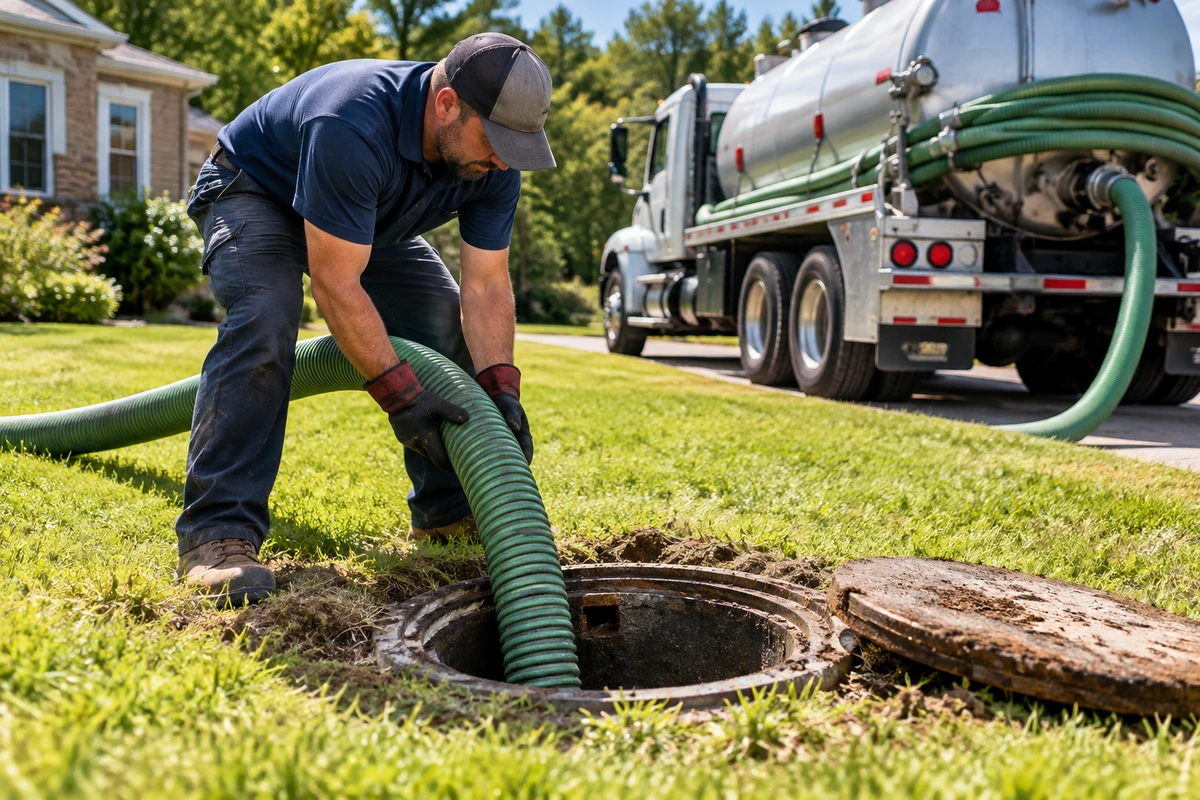
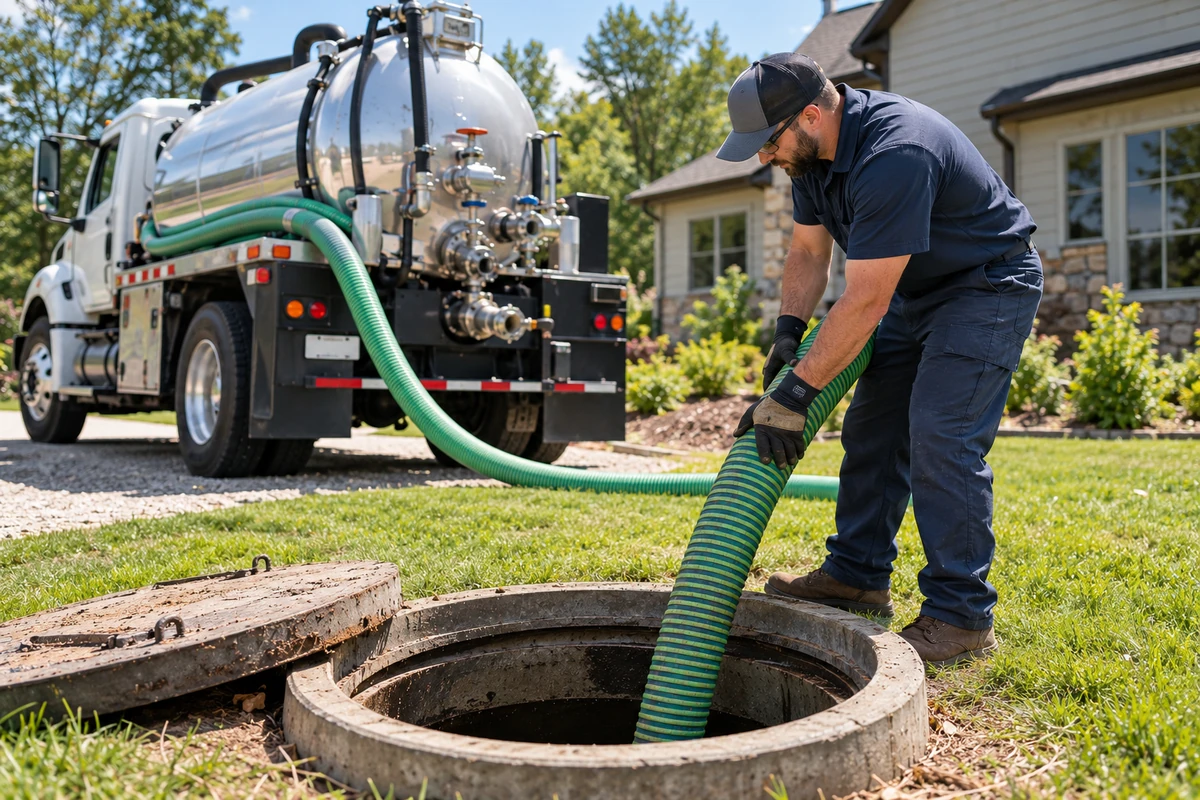
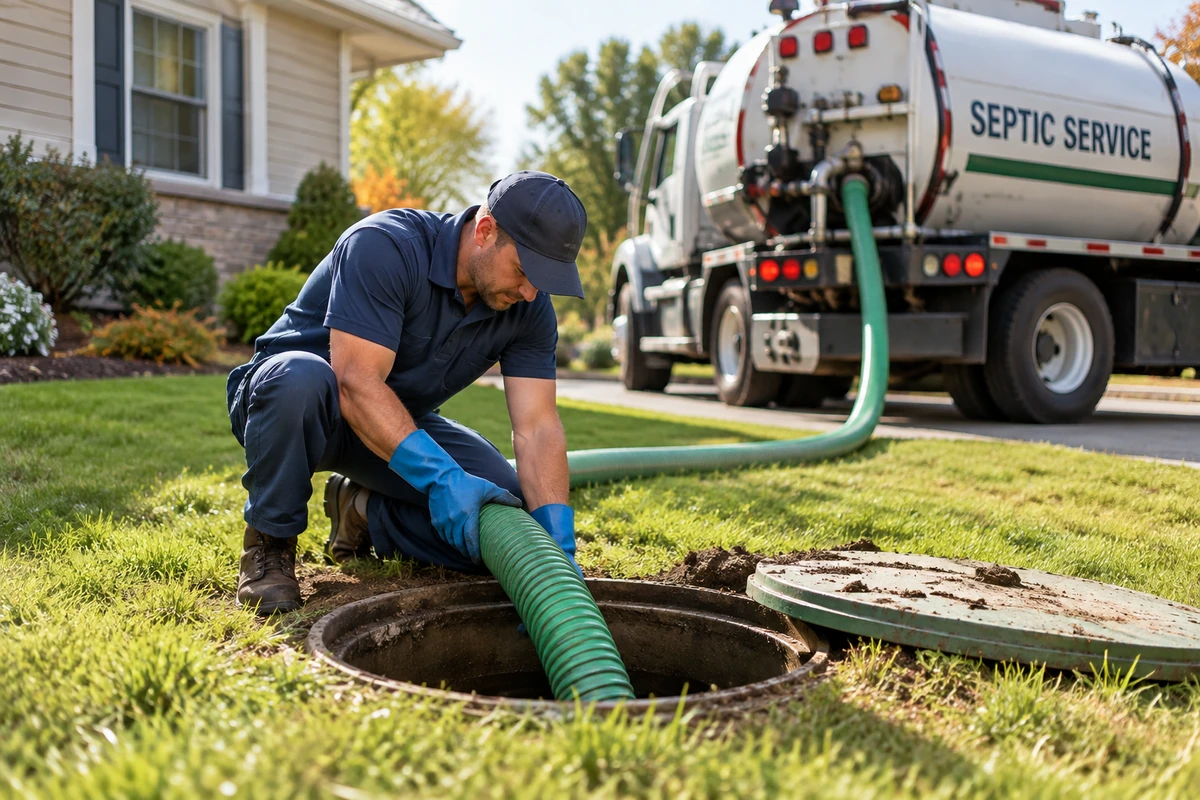
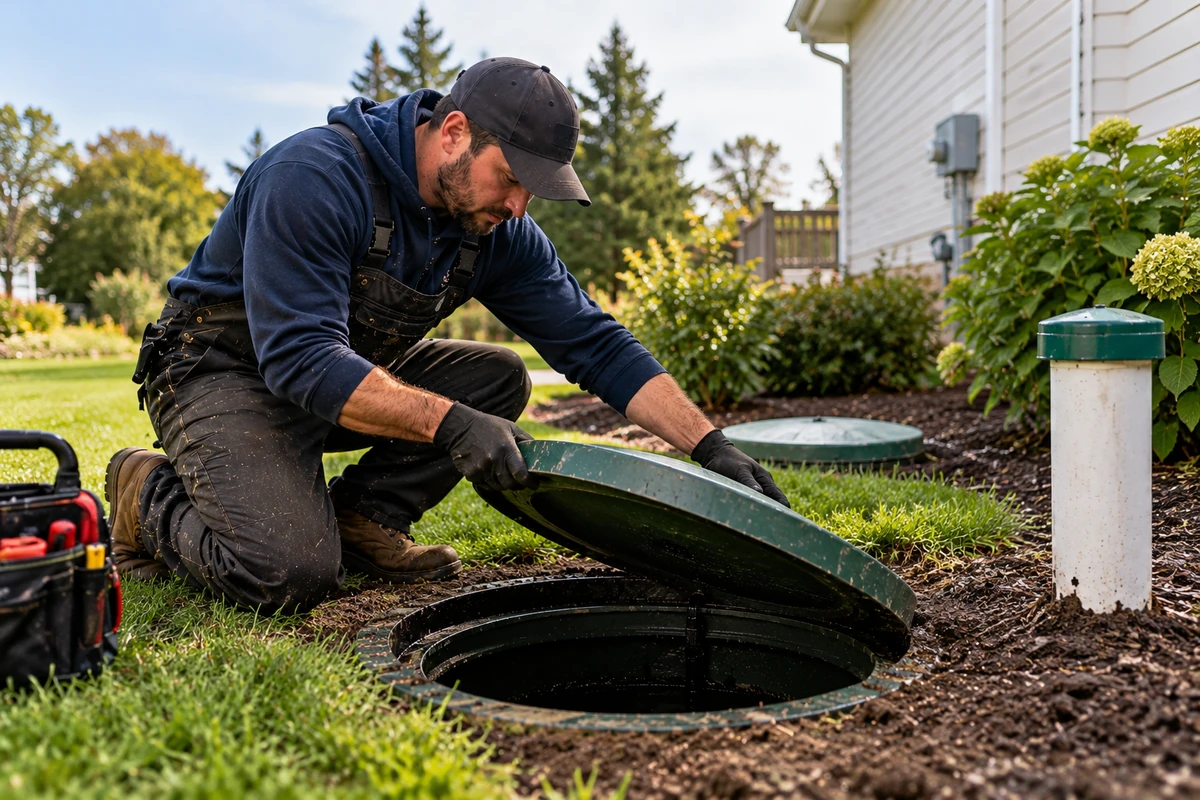
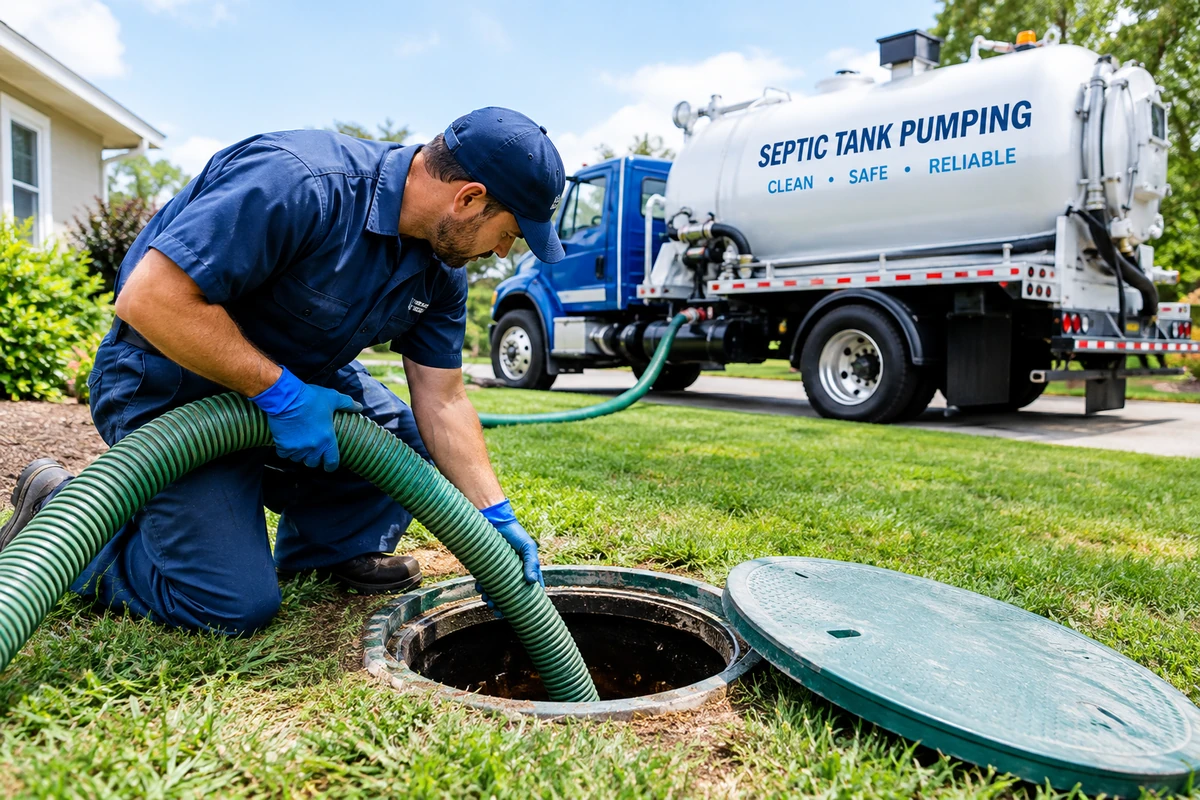
Once the tank is confirmed, the scope may include hand excavation around an existing access opening, removal of unsuitable material above the lid, evaluation of a reachable cover, or preparation for pumping. If repeated digging has become a maintenance problem, an appropriate riser can extend the opening closer to finished grade. An adapter, watertight seal and secure lid must match the tank, opening, burial depth and site conditions.
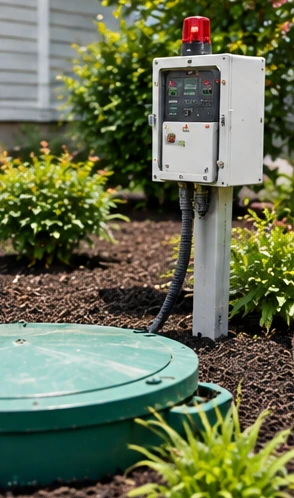
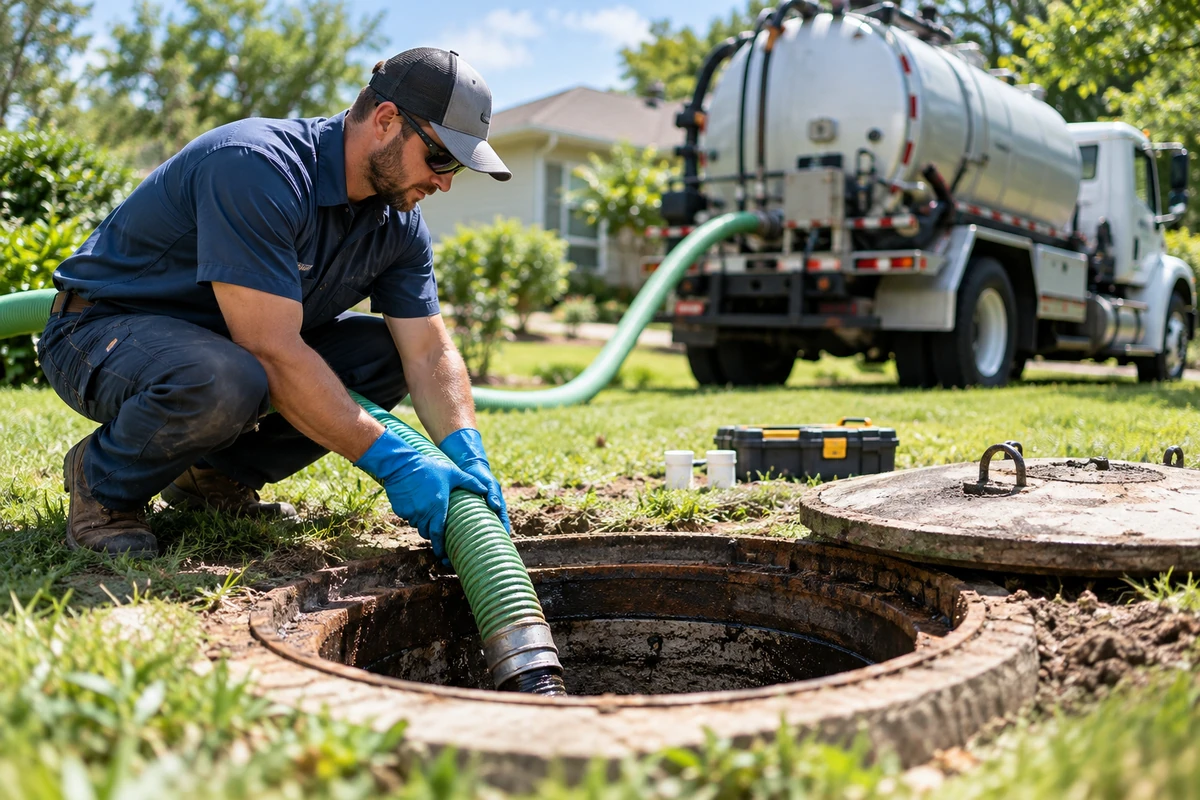
This service does not automatically include septic pumping, tank repair, inlet-line cleaning, drainfield diagnosis or complete system replacement. It also does not turn every cover into a traffic-rated assembly. A cracked tank top, unstable opening, deteriorated concrete, unsafe excavation or suspected structural failure needs a separate assessment before access work proceeds. Electrical, pump or alarm components may also require a different service scope.
When May You Need Septic Tank Access Service
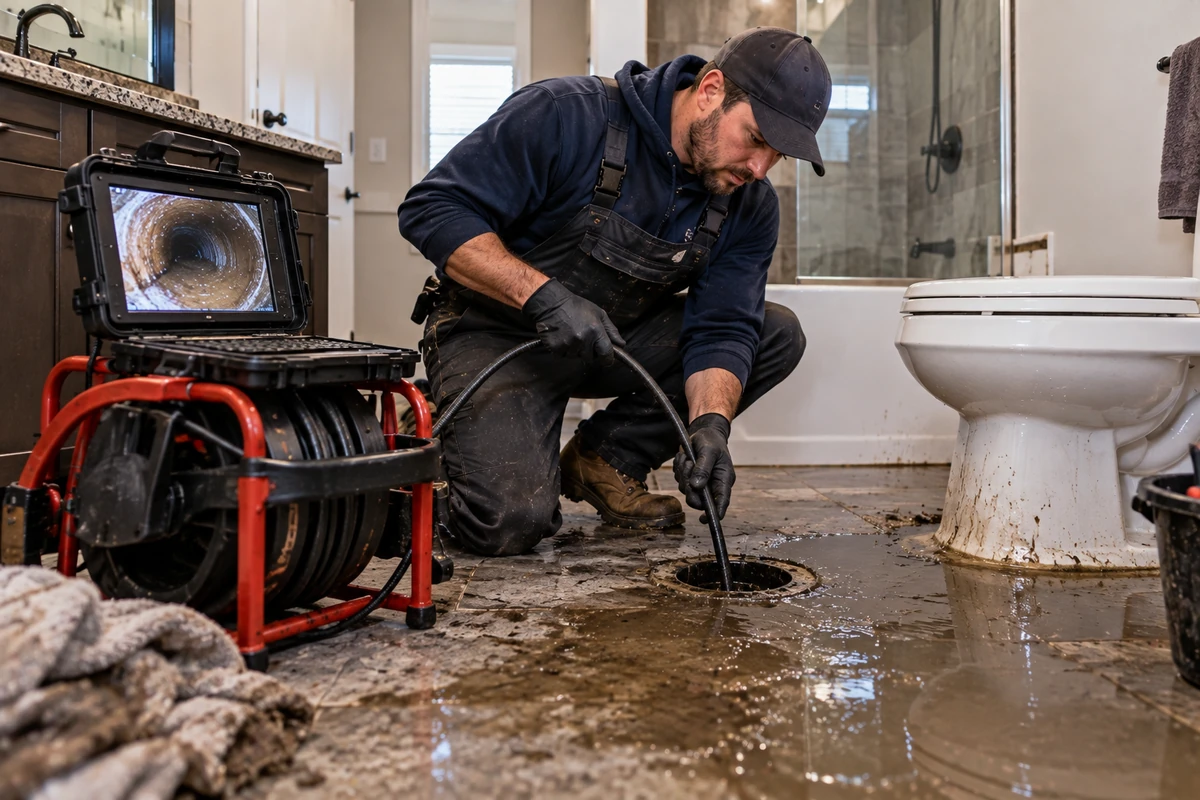
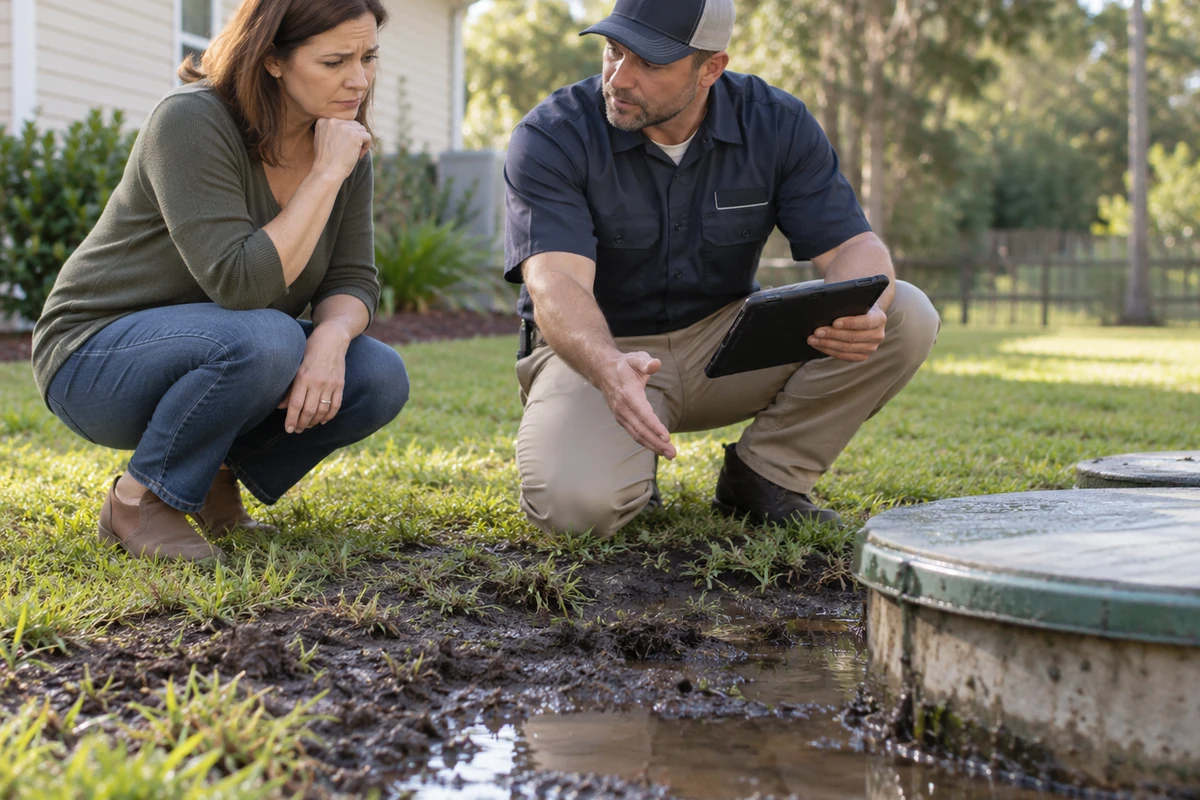
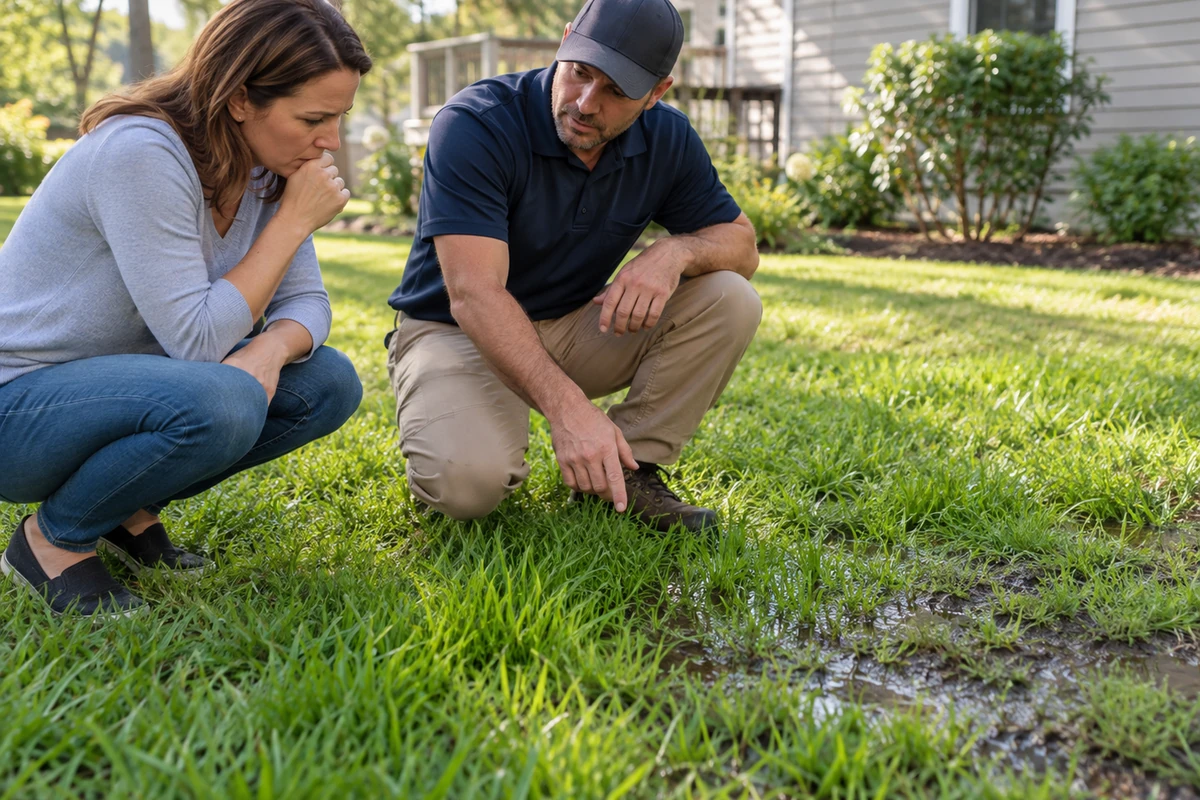
Access service is useful when the tank location or correct maintenance opening is uncertain, when routine pumping requires repeated excavation, or when the existing lid cannot be secured. The following triggers indicate that the property needs locating or component evaluation rather than assumptions about where the tank sits.
No permit drawing, as-built record or reliable pumping history identifies the tank.
The visible cap or pipe is mistaken for the main pumping opening.
Landscaping, fill, a patio edge or grade changes have hidden the original access point.
The tank must be excavated again before each pumping or inspection visit.
A lid is cracked, loose, difficult to remove, buried too deeply or no longer seals properly.
A riser has shifted, separated from its adapter or allows surface water to enter.
The area over the suspected tank shows settlement or another change in ground condition.
These signs do not identify the tank's condition by themselves. Settlement may come from disturbed soil rather than tank damage. Slow drains may result from a blocked building line, a full tank or a downstream restriction. Locating establishes position and access; diagnosis of wastewater symptoms remains a separate step when the cause is unclear.
What Commonly Creates Access and Component Problems
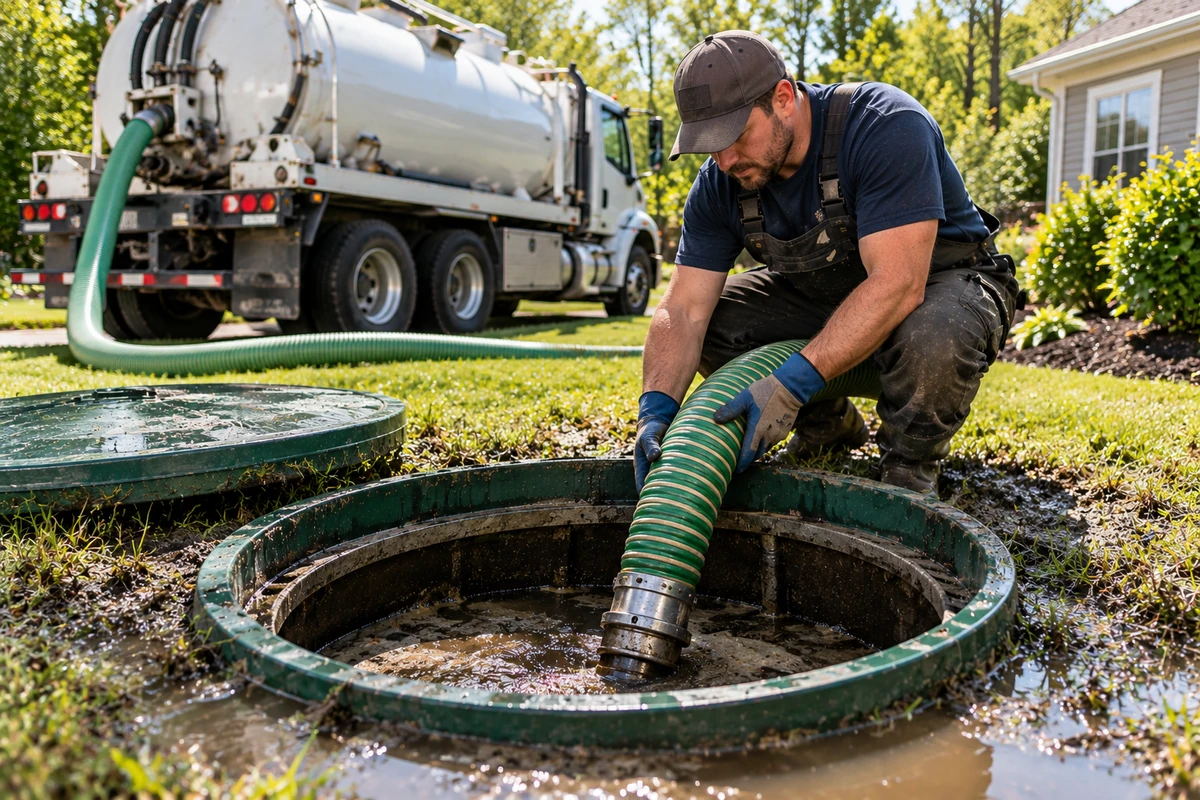
Older systems may have lids below grade with no durable reference point. Property records can be incomplete, and a sketch may not reflect later landscaping or additions. Fill soil, mulch, sod and erosion can change the apparent grade. A driveway, retaining wall, deck, shed or planting bed may also obstruct the original service route even when the tank itself has not moved.
Component problems develop for different reasons. Soil settlement can pull a riser out of alignment. An incorrect adapter or poor seal can allow water and soil into the opening. Sunlight, weather, lawn equipment or repeated handling can affect exposed parts. Concrete can deteriorate, while fasteners and locking devices can corrode or disappear. Each material and condition needs its own evaluation.
Site use matters as much as age. Vehicles, trailers and heavy equipment can impose loads that ordinary tank lids and riser covers were not designed to carry. A cover that looks solid at ground level is not proof of load capacity. Keep traffic away from the tank area unless the structure and cover have been specifically verified for that application.
How Our Septic Tank Access Process Works
1 Verify the System and Purpose
We establish whether the visit is for locating, pumping access, riser planning, lid replacement or investigation of a component concern. Available permits, as-built records, maintenance invoices and prior photographs help define the starting point.
2 Inspect the Site and Narrow the Location
We review the building sewer route, visible pipes, grade, landscaping and likely tank area. Records, probes, a camera or transmitter, and an electronic locator may be used when appropriate. Marked utilities and site obstacles are considered before excavation.
3 Expose and Confirm the Access
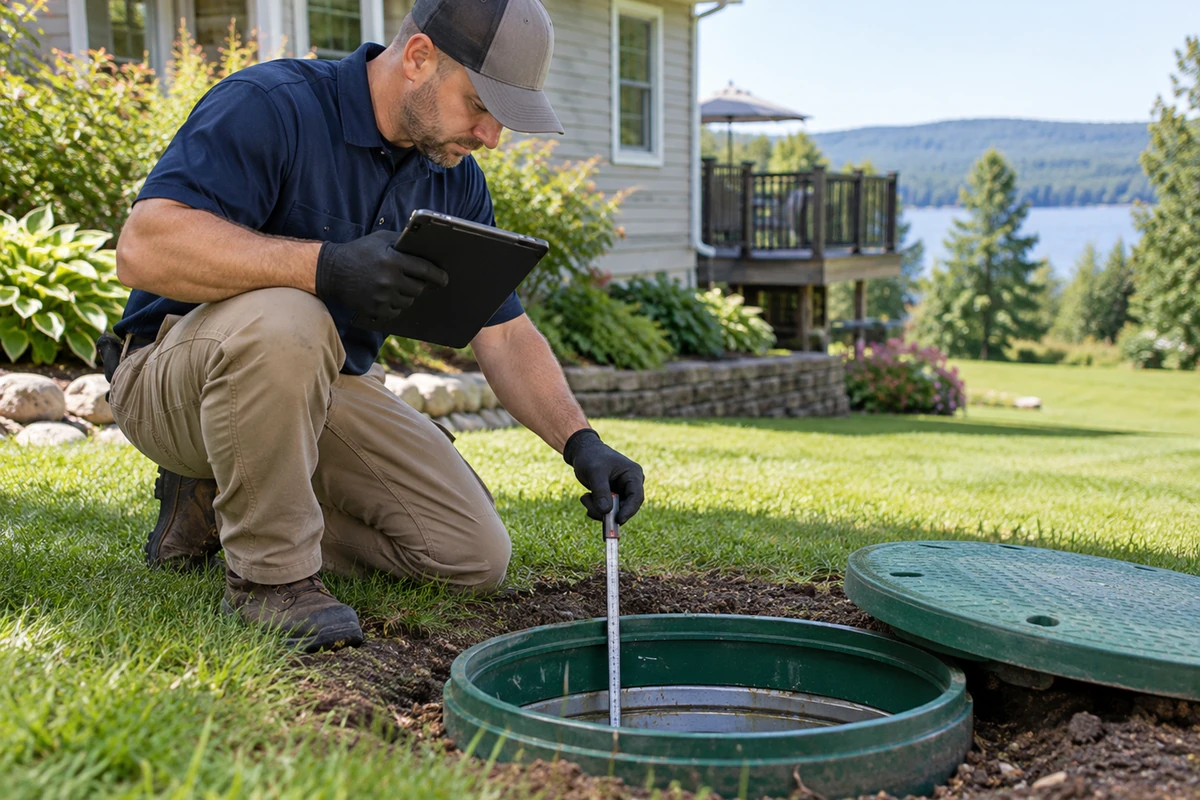
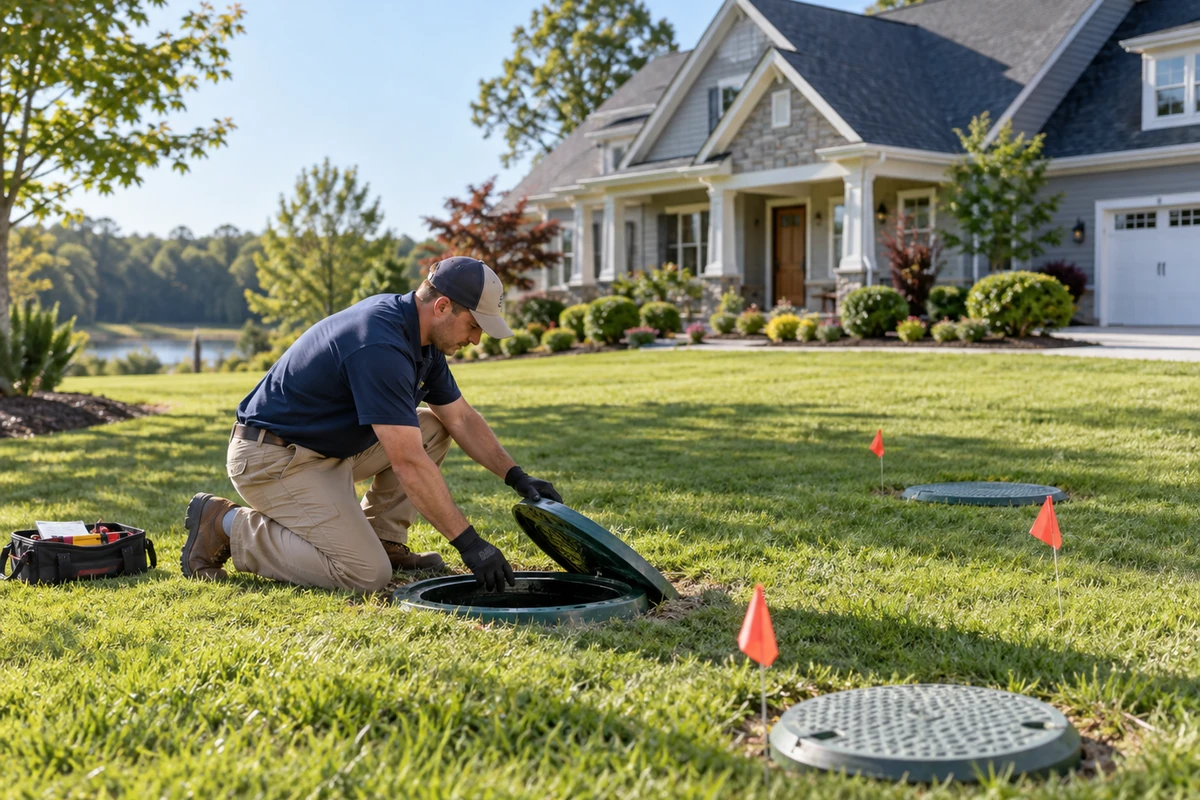
Targeted excavation exposes the suspected opening. The tank, lid and access dimensions are confirmed physically. We distinguish the maintenance opening from inspection ports, cleanouts and other visible components before recommending further work.
4 Explain Findings and Approve the Scope
We identify what is reachable, what condition is observable and what cannot be confirmed without broader excavation or another service. The approved scope specifies locating, exposure, riser or lid work and separates any pumping, repair or diagnostic work.
5 Complete the Agreed Component Work
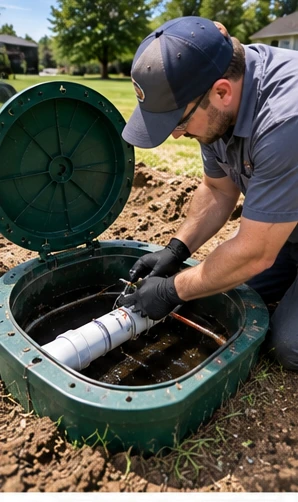
Suitable riser, adapter, sealing and lid components are fitted for the confirmed opening and site. The installation should maintain secure access, resist unwanted water entry and avoid creating an unsupported or unsafe cover condition.
6 Verify and Document
The final opening and lid are checked for fit and security. Disturbed soil is addressed within the agreed scope. The service record notes the tank and opening location, work completed, observable concerns and information useful for the next pumping or inspection visit.
Access, Lid and Riser Safety Requirements
Kentucky's onsite-system component standards establish construction requirements for tanks and maintenance openings. The regulation addresses manholes, cover support, watertightness and access for maintenance. It specifically requires suitable risers to grade and secured, watertight covers for dosing and holding tanks. The correct requirement depends on the actual tank and system type.
A septic opening is a fall, exposure and gas hazard. Do not enter a tank or leave an opening unattended. Children, pets, occupants and equipment should remain outside the work area. A damaged or unsecured cover needs prompt isolation until a suitable repair or replacement scope is established.
Installation or alteration is different from routine access exposure. Kentucky's onsite sewage disposal regulation requires an appropriate permit before construction, installation or alteration of an onsite system. The Northern Kentucky Health Department describes repair-permit steps and provides septic oversight in Boone, Campbell, Grant and Kenton counties. Permit needs should be confirmed before component work that changes the system.
What Affects Septic Tank Access Service Cost
Cost depends on whether the location is known, the quality of available records, the search area, lid depth, soil and surface conditions, number of openings, excavation method, locator equipment and travel. A shallow lid beside a reliable reference point takes a different scope than an undocumented tank beneath deep fill or established landscaping.
Riser and lid work also depends on opening dimensions, tank material, adapter design, riser height, seal, lid type, locking method and finished grade. Restoration, pumping, structural repair, utility locating and removal of hard surfaces can add separate work. A Covington price range should be published only after current provider quotes or completed jobs support it.
Related Septic Access Services
For a buried or uncertain tank position, see Septic Tank Locating Covington.
For permanent maintenance access, see Septic Riser & Lid Installation Covington.
For the site's primary pumping service, see Septic Tank Pumping Covington KY.
For broader answers about system care and service limits, review Septic Service FAQs.
Service Areas Near Covington
Property access, local jurisdiction and travel can change the service scope. Covington and Kenton County are the location focus for this page. Addresses in South Covington, Independence, Taylor Mill, Ryland Heights, Morning View, Piner, Kenton, Walton, Burlington, Union, Alexandria, Crittenden, Williamstown and Falmouth should be confirmed rather than treated as covered based only on proximity.
Use Areas We Serve Near Covington to review the location directory and applicable coverage details.
Frequently Asked Questions
Can a septic tank be found without digging?
Records, visual clues, careful probing and electronic locating tools may narrow the location, but some excavation is often needed to expose and confirm the access lid.
Why install a septic riser?
A properly fitted riser can make future pumping and inspection access faster and reduce repeated digging. Materials, lid security and final grade must match the site and system.
Is it safe to walk or drive over a septic lid?
Do not assume any septic cover is traffic-rated. Keep vehicles and heavy equipment away unless a qualified professional has confirmed the structure and cover are designed for that load.
How much does septic tank access & component service covington cost?
The cost of septic tank access & component service covington depends on system size, access, depth, condition, travel, equipment, and any additional diagnosis or repair. Publish a local range only after it is supported by current provider quotes or completed jobs.
Where is septic tank access & component service covington available?
Septic Tank Access & Component Service Covington is available only within the operating provider's confirmed service territory. The final page must name the exact covered communities and explain any travel or scheduling limits before publication.